Some Apple products are discontinued before the time is right. Maybe, if they were introduced today with modern technology, they could become a much bigger hit.
A lot of Apple’s lesser-known experimental products were killed in 1997. Steve Jobs had just returned, the company was near bankruptcy, and he needed all hands on deck to develop the iMac and Mac OS X.
But some real gems were lost along the way. These are the 10 products that Apple should bring back with modern technology.
10 discontinued products Apple should bring back and modernize
Apple occasionally dabbles in a product category like rack-mounted servers, video game consoles, cameras and even printers. Most of these are killed for good reason — people fondly remember the Nintendo 64 and Sony PlayStation, but not the Apple Bandai Pippin.
Other losses sting a bit more. While the MacBook Air is light and powerful, the MacBook from 10 years ago still stuns with its even slimmer design.
Maybe Apple could look back on its own past to find the next big thing.
Table of contents: Discontinued Apple products that should be brought back
- Bring back the LaserWriter as Apple Printer
- AirPort, now with simple mesh networking
- Apple IV, a hobbyist computer for tinkerers
- The ultraportable 12-inch MacBook, done right
- A monstrous 18-inch MacBook Pro
- iPod, a music and podcast player for schools
- Apple Mechanical Keyboard
- SuperDrive Blu-ray player for Mac and Apple TV
- iSight camera for Apple TV
- QuickTake digital camera
- More on Apple history
Bring back the LaserWriter as Apple Printer
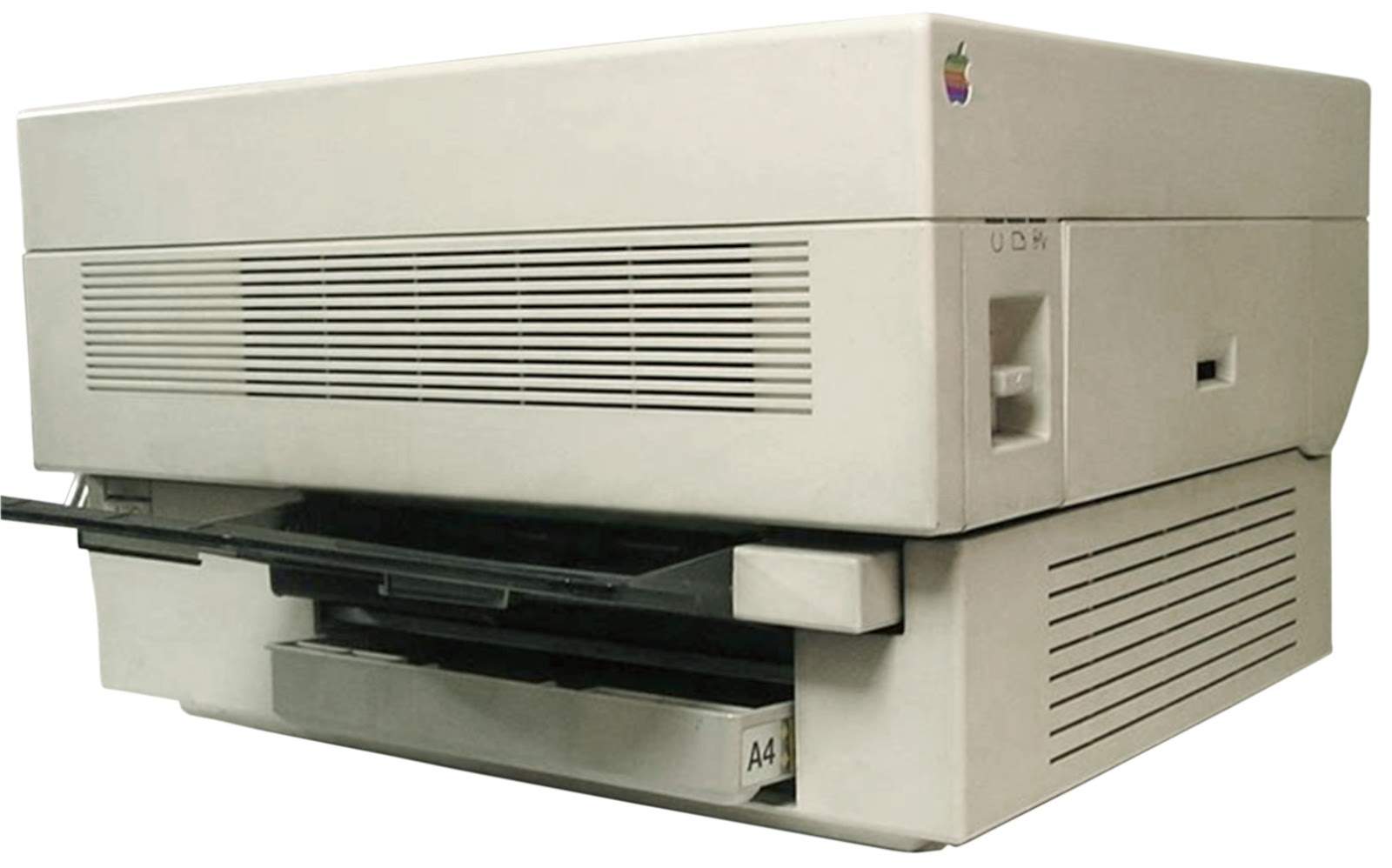
Photo: AppleTimeline
The Apple LaserWriter was a huge breakthrough in 1985. The ability to print high-quality graphics and text from a computer was a true revolution in the late 1980s. Apple made revered laser printers until 1997, when all its printers were discontinued.
And look at what the market has wrought. Everyone hates their printer. They force you into exorbitant prices for ink and toner, lock you out of buying alternatives, lie to you about ink levels, and even on top of all that, often refuse to do their one job — print — for no discernible reason whatsoever. And good luck diagnosing what’s wrong through their garbage interfaces.
This is Apple’s bread and butter: finding a category that the whole tech industry fails to live up to, and showing them how it’s done when someone really cares. Imagine how painless printing could be if it were as simple as AirDropping a file to your printer. How easy it would be to replace cartridges if it were designed by the same people who made the Apple Watch band system. And how reliable the hardware would be if it were engineered and manufactured by the best of the best.
A new Apple printer would probably be shockingly expensive. But you can’t put a price on the mental anguish that would be saved from homes and offices around the world.
AirPort, now with simple mesh networking
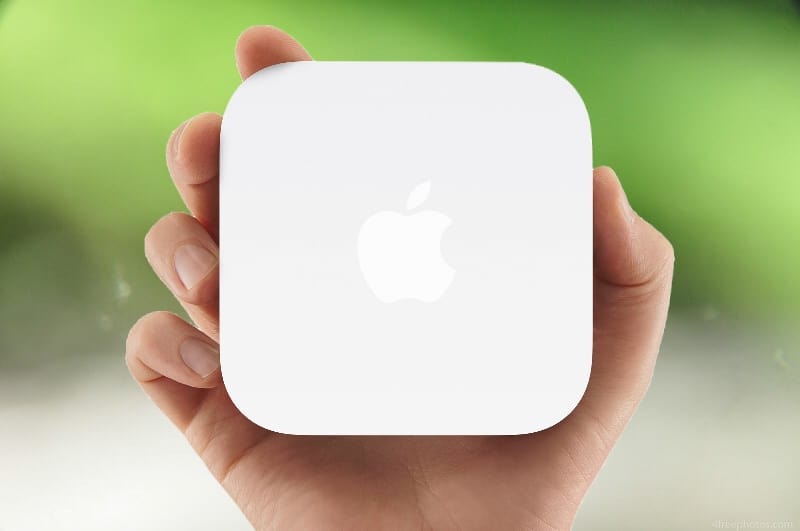
Photo: Apple/Cult of Mac
Apple brought modern Wi-Fi to the masses with the iBook, its AirPort card and the first AirPort base station in 1999. AirPort lived on as a Wi-Fi router until development stopped in 2016, with the products disappearing soon after.
Wireless networking has changed radically since then, but Apple hasn’t played a part in it. Mesh network devices from companies like Eero and Ubiquiti can bring seamless high-speed connectivity throughout a home, no matter the size or geometry. But such systems can be hard to set up properly.
Imagine if you had the reliability of an advanced mesh home Wi-Fi network with the simplicity of Apple’s AirPort technology. You could add nodes to your network just by plugging a small white square into any available outlet. Setup would be as simple as holding your iPhone next to it, as with a pair of AirPods. And everything would use Apple’s own latest N-series Wi-Fi chips.
I would love to replace my ISP’s crappy Wi-Fi router with a new AirPort system — and finally get good Wi-Fi upstairs.
Apple IV, a hobbyist computer for tinkerers
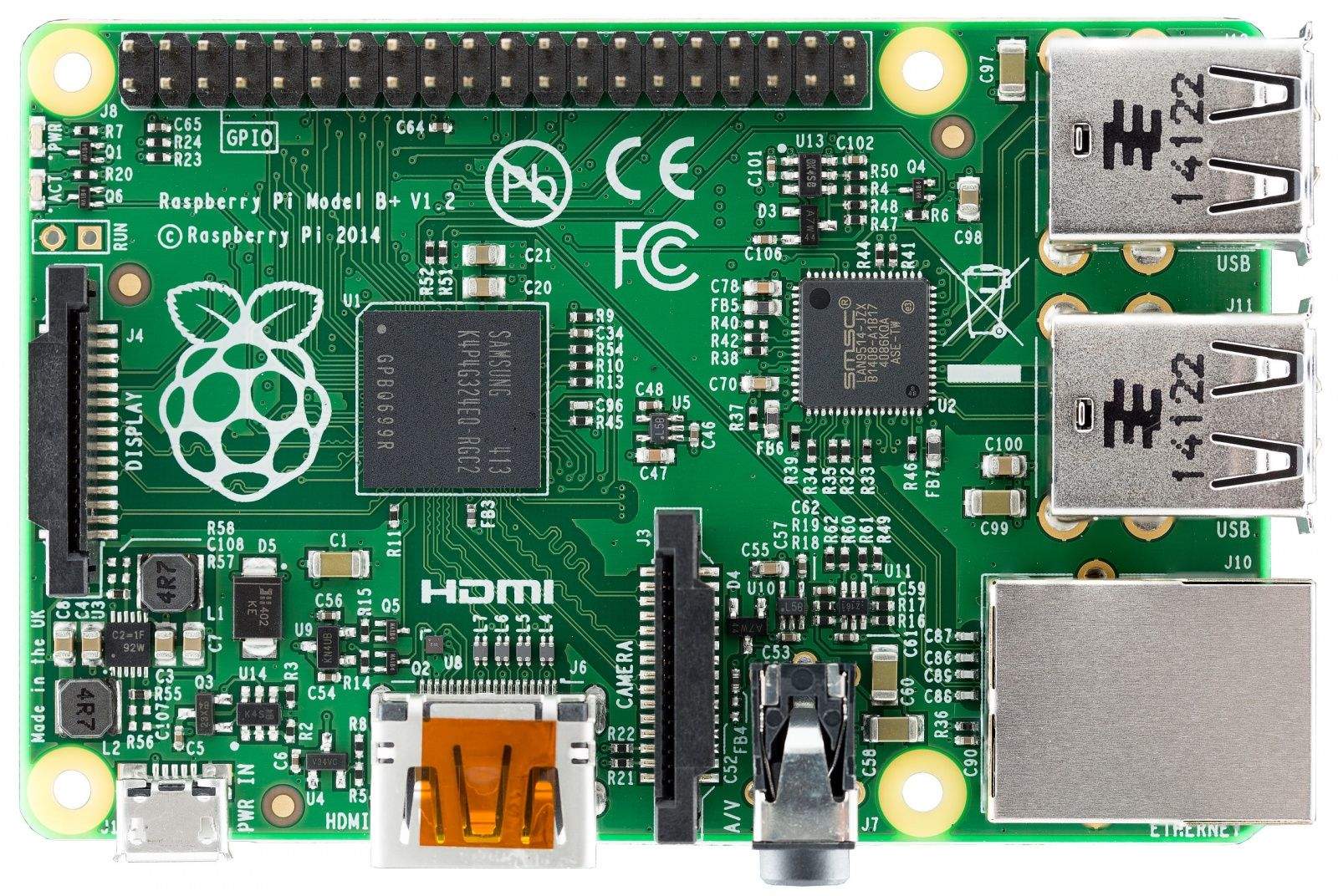
Photo: Lucasbosch/CC Wikimedia
Apple’s first computers before the Macintosh were the Apple I, Apple II and Apple III. They didn’t have a visual user interface, nor a mouse. Like all computers of the time, they ran a simple command line, and you had to program them yourself. They were popular among tinkerers and hobbyists until the Apple IIe was finally discontinued in 1993.
The Raspberry Pi, introduced in 2012, brought new life to this kind of computing. It was a complete computer on a tiny motherboard for just $35. People have used Raspberry Pis for all kinds of crazy projects in the years since.
Apple could bring extreme levels of performance and miniaturization to this budding industry. The Raspberry Pi 5 uses a Cortex A76 processor — and the Apple A19 Pro would eat it for lunch. Apple makes the best ARM chips in the world, and the company’s ambitions are only getting higher with additional in-house chips for Wi-Fi, Bluetooth, smart home support and more.
Picking up where the last model left off, this model should be called the Apple IV.
The ultraportable 12-inch MacBook, done right
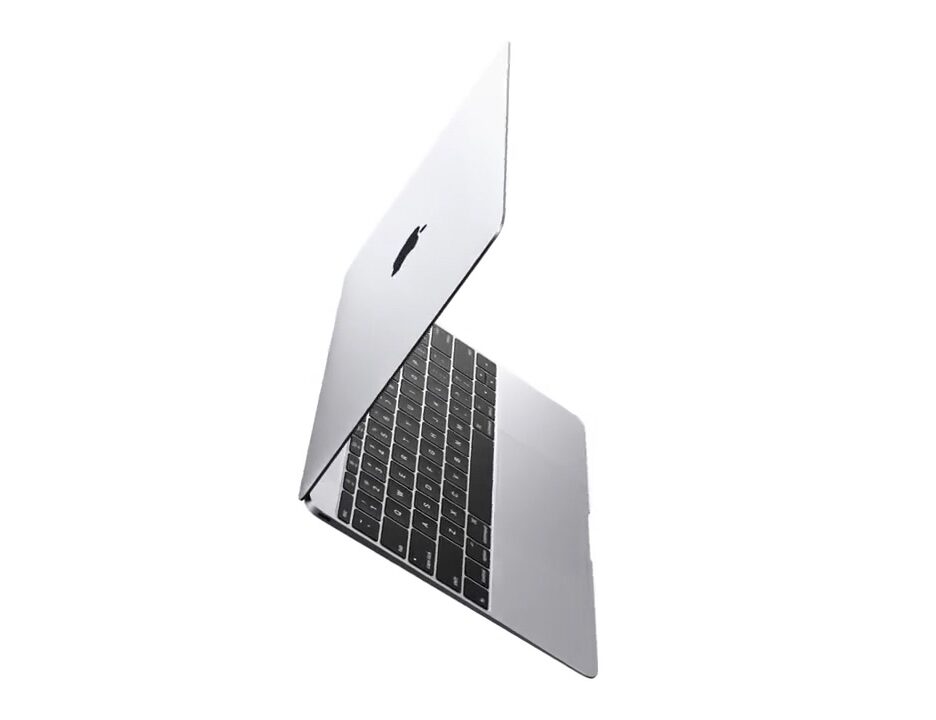
Photo: Apple
The 12-inch MacBook was a good idea at the absolute worst time — 2015 to 2019. Apple’s attempt at creating a new ultraportable laptop came with the problematic butterfly keyboard, a single USB-C port before the connector became ubiquitous, and an Intel chip that was far too underpowered.
A second crack at it could solve all of its problems. Former MacBook owners still lust after its compact size and shockingly light weight.
While the recently released MacBook Neo is selling like hotcakes, some people are disappointed it isn’t any thinner or lighter than the MacBook Air. An ultra-thin laptop with a smaller screen would be an even better school machine, sliding comfortably into a backpack. It could expand the appeal of the machine even further, and flex Apple’s prowess over all its competition.
A monstrous 18-inch MacBook Pro
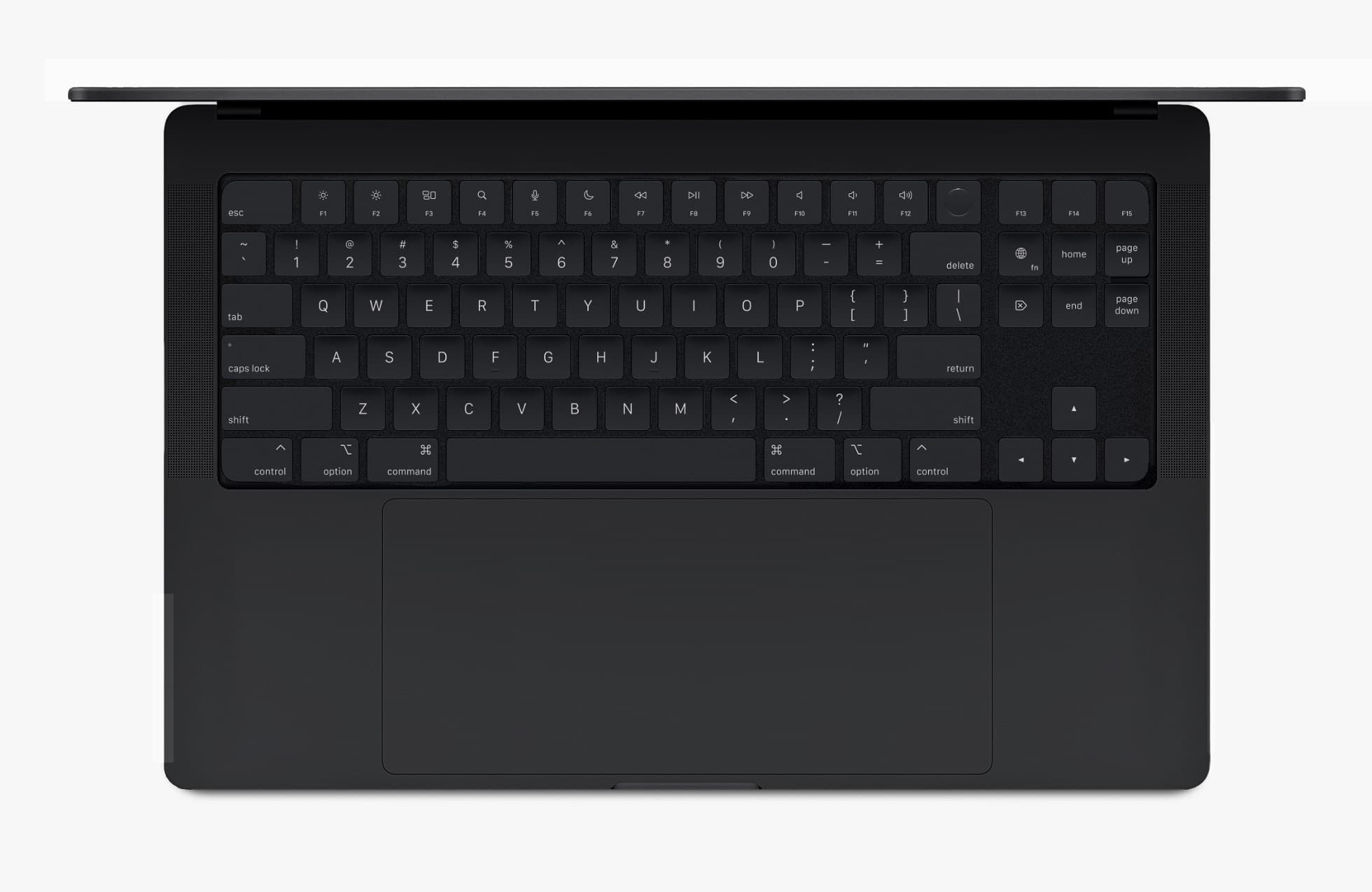
Photo: Apple/D. Griffin Jones/Cult of Mac
In 2003, Apple introduced the PowerBook G4 in both an ultra-portable 12-inch size and a monstrous 17-inch size. The smaller model was short-lived, but Apple continued making a 17-inch MacBook Pro until 2012.
While today’s models have 16-inch screens, Apple could go even bigger. Bring back the lunch-tray-size mega laptop in a supreme 18-inch form factor.
Imagine what Apple could do with all that extra space. Maybe it would have an Ultra chip inside, bringing it on par with the highest-end Mac Studio. It would be big enough for a midsize keyboard with full-height arrow keys, the Home/End/Page Up/Page Down/Delete section, and the full set of Command/Option/Control on each side of the spacebar.
And, if it helps sell Tim Cook on the idea, Apple could charge a heftier price tag, too.
iPod, a music and podcast player for schools
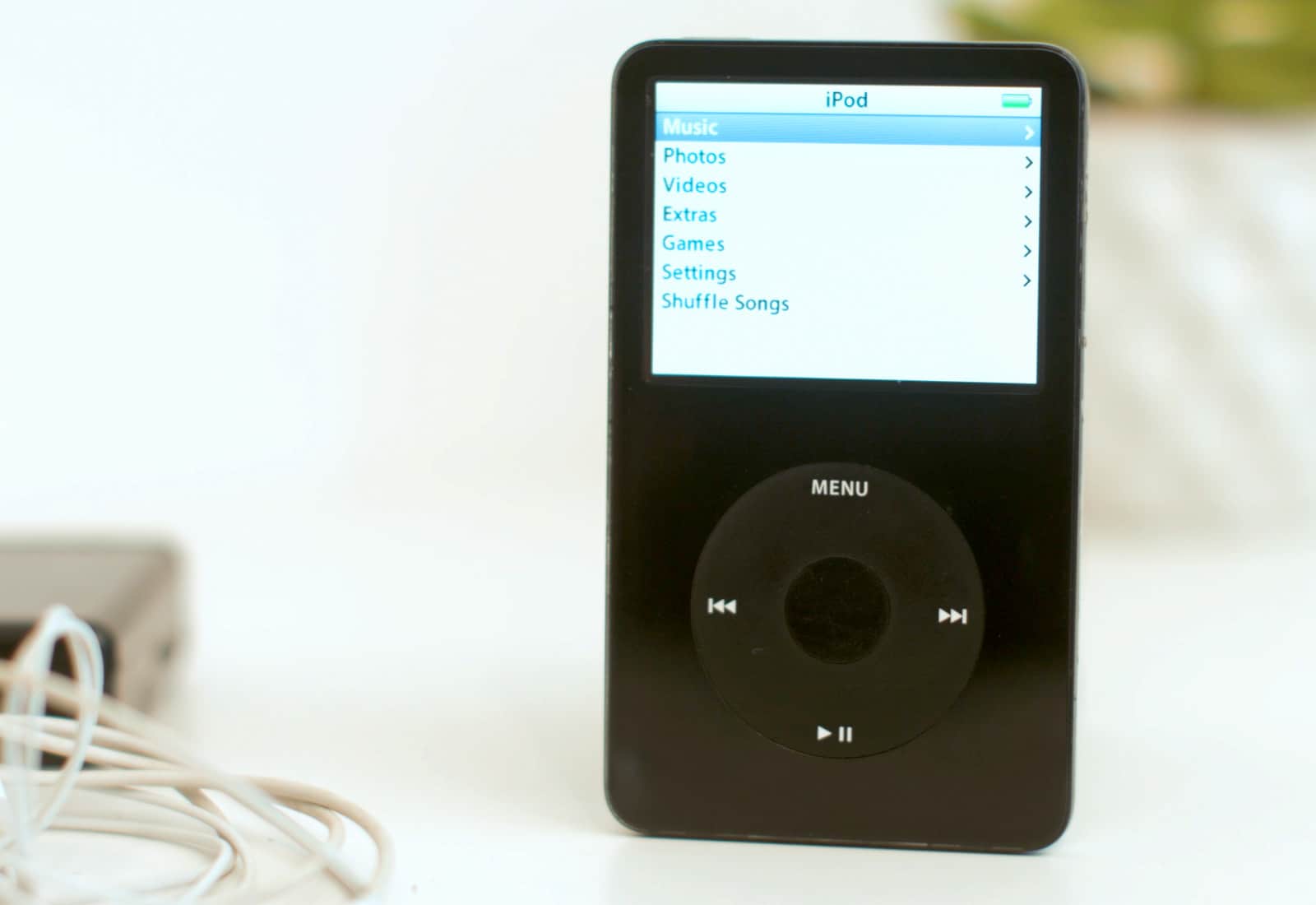
Photo: Ste Smith/Cult of Mac
With many public schools banning smartphones, old iPods are having a bit of a moment. Made from 2001 to 2014, these touchscreen-free models play music and podcasts, but don’t have any internet access and can’t text.
Apple could easily revive the iPod Classic to serve this market again. A big problem with old iPods is that they don’t support Apple Music, which is copyright-protected. A new model could solve this with support for Apple Music’s DRM protection.
With some level of internet connectivity, a new iPod could stream music, audiobooks and podcasts without the hassle of syncing to a computer. But without a touchscreen and access to the open web, a new iPod would still be allowed in schools.
It’s what the kids want!
Apple Mechanical Keyboard
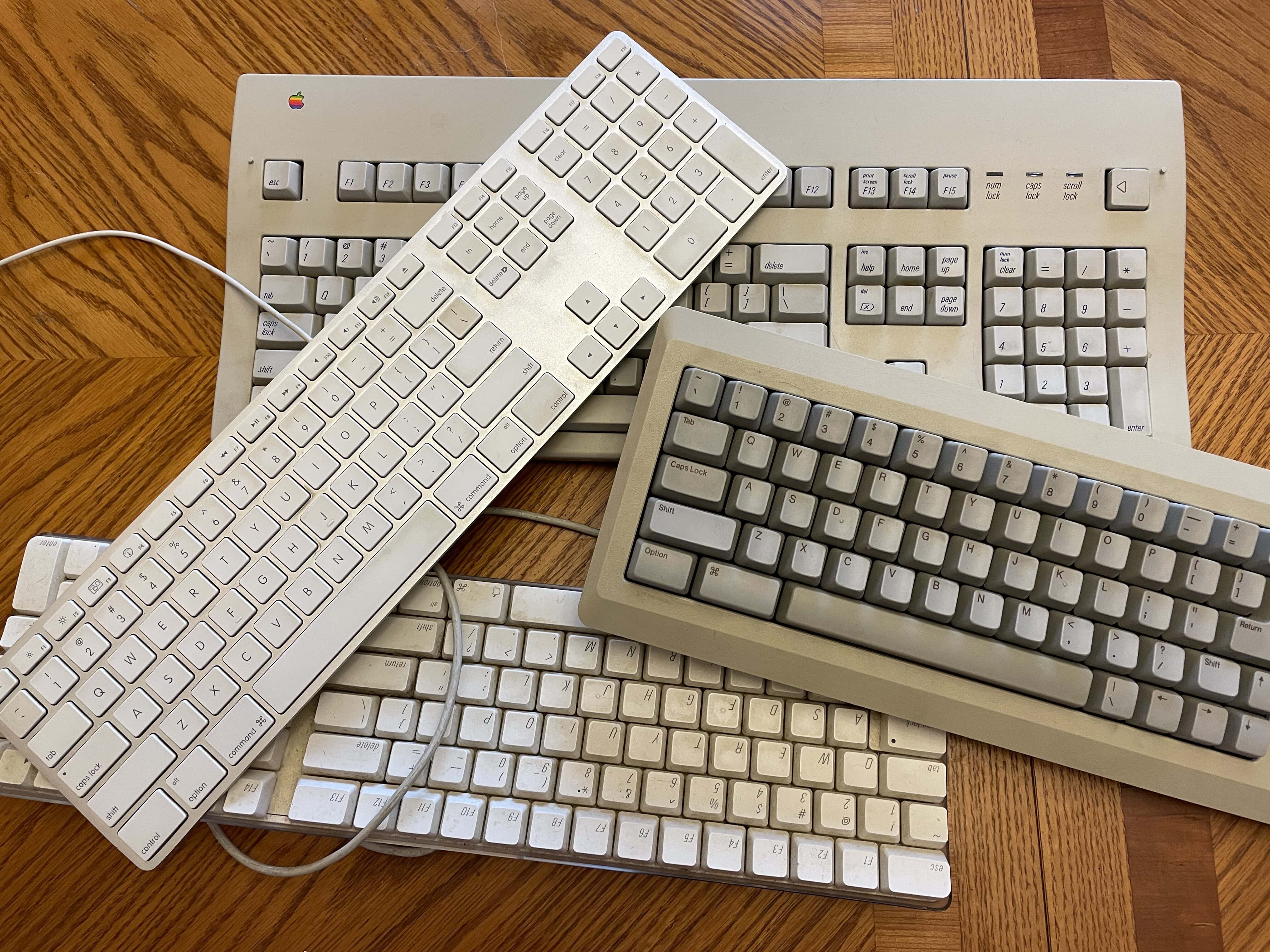
Photo: D. Griffin Jones/Cult of Mac
Apple used to make excellent keyboards. The Apple Extended Keyboard, made from 1987 to 1994, is legendary for its Alps switches and superior typing feel. But by modern standards, it’s ugly and absolutely gigantic.
Today, Mac users and keyboard enthusiasts are faced with a major dilemma. Should you use a third party mechanical keyboard for a dreamy typing experience, or the Apple Magic Keyboard with Touch ID for its instant authentication? I like my mechanical keeb too much, but I still wince every time I have to type in my long password. I wish I didn’t have to choose.
If Apple made a modern mechanical keyboard, we could get the best of both worlds. A fully integrated Mac-friendly experience, a keyboard that’s comfortable to type on all day and a beautiful modern design.
SuperDrive, but with Blu-ray for Mac and Apple TV
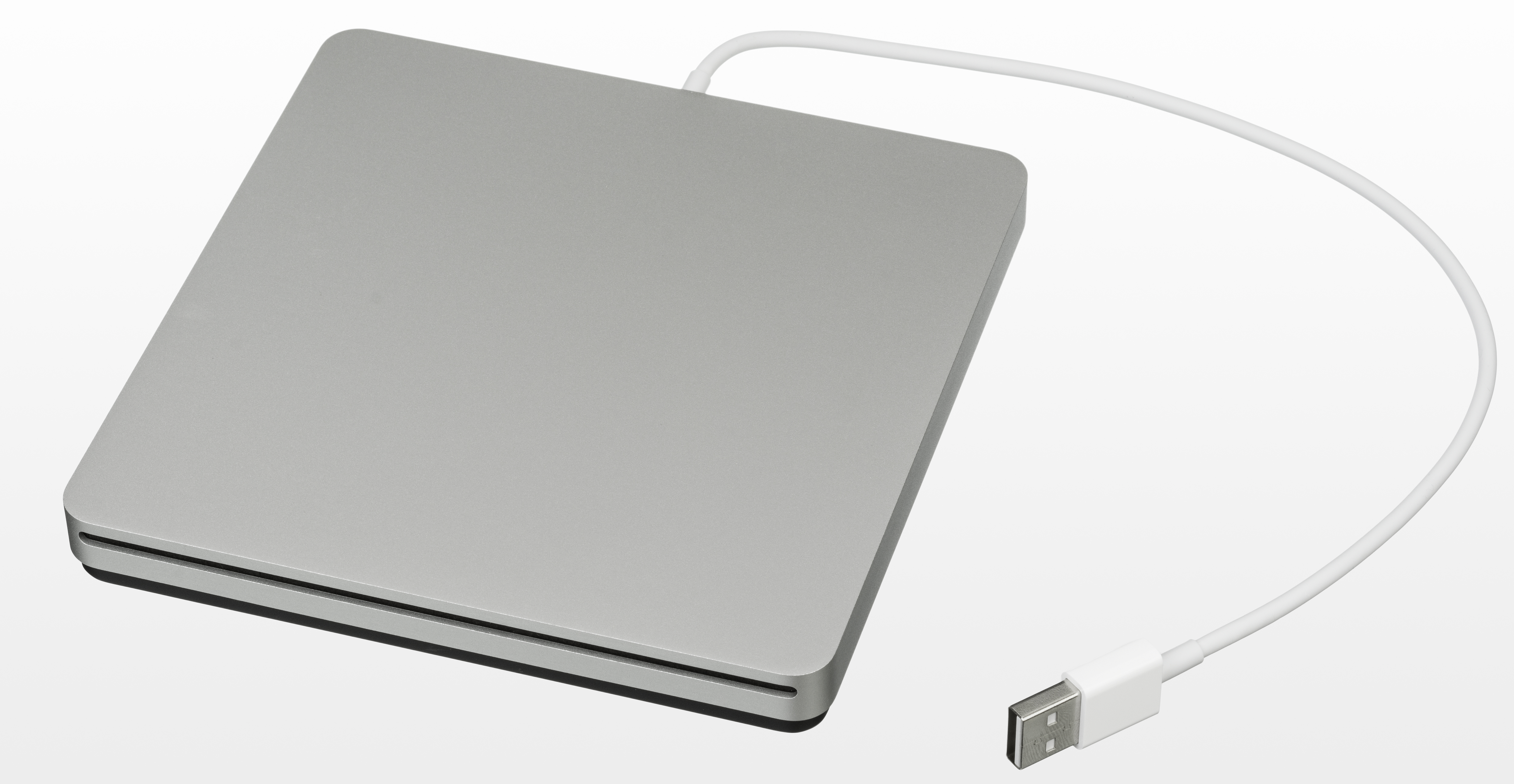
Photo: Evan-Amos, Public domain, via Wikimedia Commons
Apple ditched optical drives from its laptops long ago, and no one would argue with the obvious benefits. They took up enormous space inside and the world was moving toward online purchases and streaming. The external SuperDrive was the solution, which plugged in over USB and let anyone play DVDs — until inventory finally ran out in 2024.
Optical media hasn’t gone away, though. While it’s unlikely BluRay sales will ever reach the peaks of DVD, they’re steadily rising in popularity. More people are becoming frustrated with endless changing streaming services with rising prices and find the simplicity of owning media more appealing.
A new SuperDrive could let you play BluRay media on your Mac or Apple TV. BluRays have much better visual quality than streaming services — and once you own it, you have it forever.
I seriously doubt this would ever happen, so while we’re fantasizing, it would also be nice if there was also a Mac app that made ripping BluRays into video files as easy as pressing a few buttons.
iSight camera for Apple TV
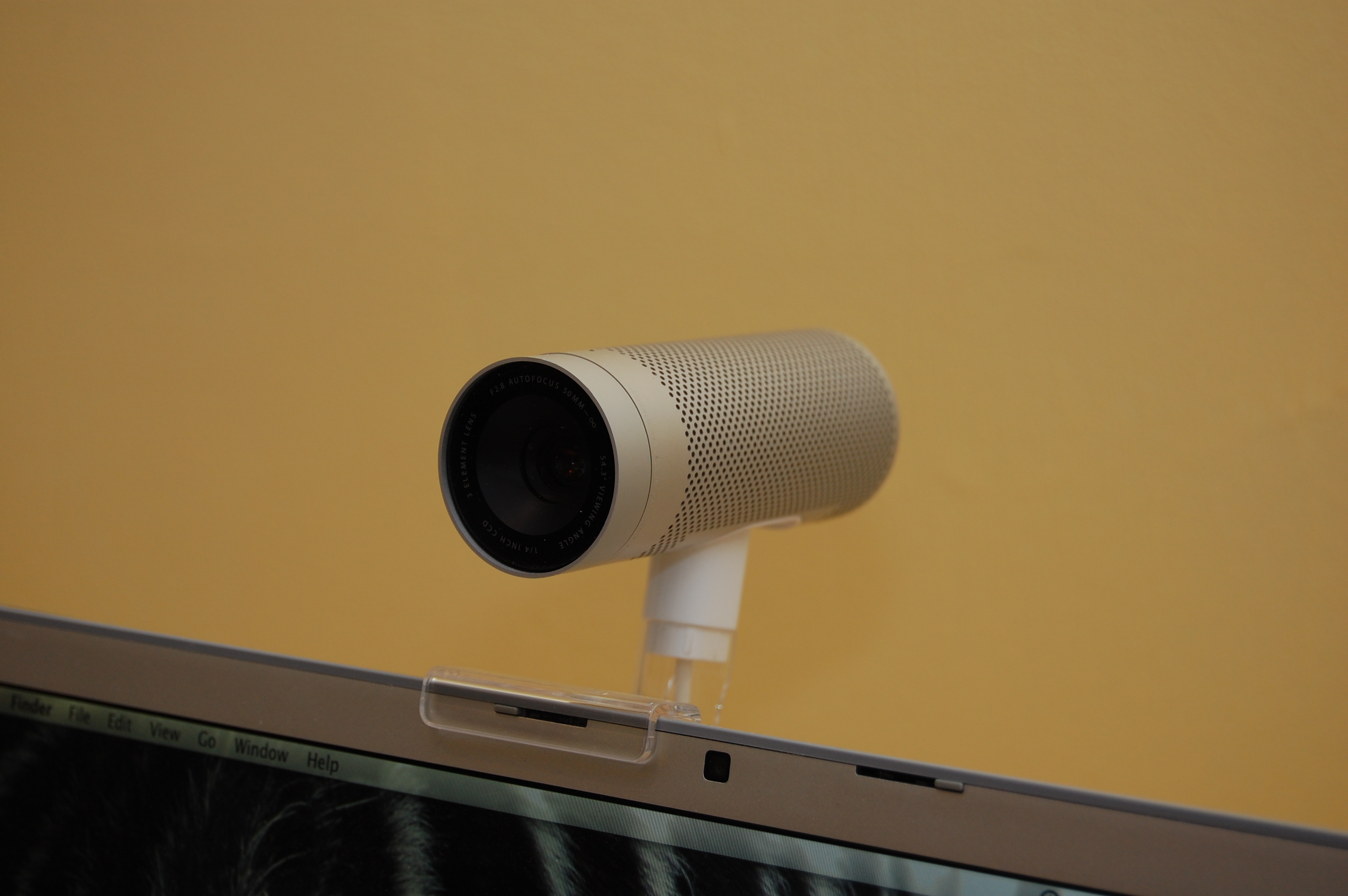
Photo: Eyesight, CC BY-SA 3.0, via Wikimedia Commons
FaceTime on the Apple TV is a surprisingly excellent feature. If you’re catching up with the extended family or hosting a remote D&D session, you should put everybody around the biggest screen in the house.
Apple’s solution is to use a spare iPhone for Continuity Camera. As good as it is, it can occasionally be a little finicky to set up. And whoever places the call must sacrifice their phone for the duration. If you make group FaceTime calls a weekly event, you’d probably be willing to buy a dedicated camera for it.
Apple could bring back the iSight camera as a purpose-built device for this. It could have a special lens and microphone optimized for capturing a wide field of view and audio from across the room.
It would also be handy to use with a Mac, for those who want a higher quality camera than the crummy ones built in.
QuickTake digital camera
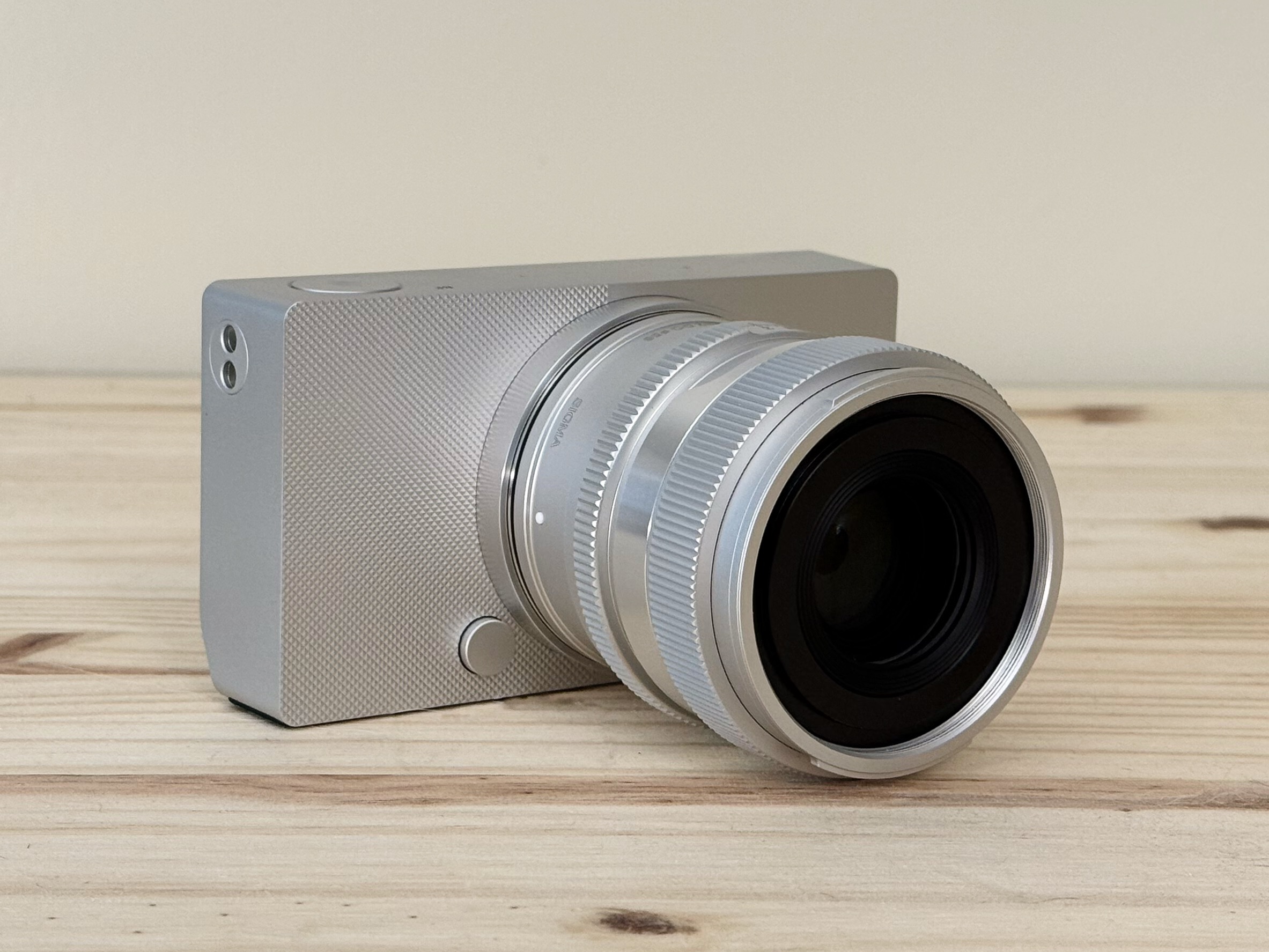
Photo: D. Griffin Jones/Cult of Mac
Apple briefly made a series of digital cameras. The QuickTake cameras were more an experiment than anything, only sold from 1994 to 1997.
With how well the iPhone can seemingly stretch the laws of physics with its relatively tiny camera sensor, it begs the question — what if you put the same insane computational photography behind a full-frame sensor and mechanical lens? It could have crazily good low-light performance, and produce simply stunning pictures and the best video quality imaginable.
Even an Apple-esque camera like the Sigma BF can only go so far. It has a beautiful aluminum unibody and highly intuitive user interface. But it doesn’t automatically sync photos to your library like an Apple camera would. It doesn’t have the power of an A-series chip. It doesn’t geo-tag photos with locations.
If Apple made a full-size digital camera, I would buy it on day one.