5 expensive hobbies where owning a 3D printer actually saves you money
While a personal 3D printer is certainly an investment, if you regularly engage with an expensive hobby, it might actually save you some cash.
5 expensive hobbies where owning a 3D printer actually saves you money
How owning a 3D printer can save you some big cash in your hobbies
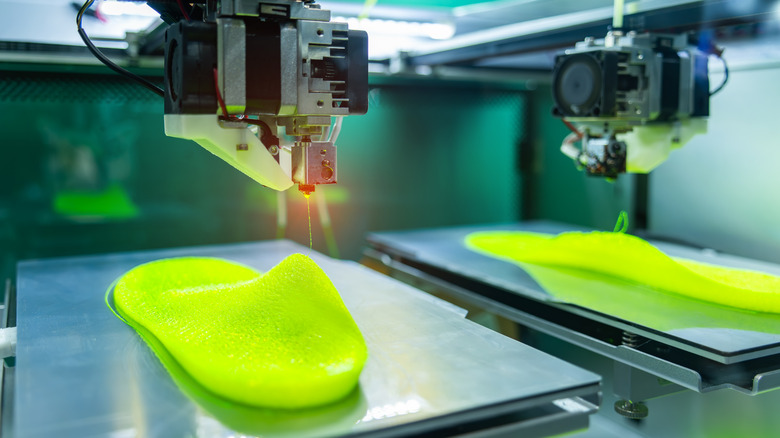
NASA's 3D printers hosted on the International Space Station (ISS) print tools and replacement parts on demand. Here on Earth, 3D printers can sometimes make expensive components and accessories for a more affordable price than you can find in stores. However, does that make one worth buying?
3D printing (sometimes called additive manufacturing) uses computer-aided design (CAD) models sourced online or created by you to build three-dimensional objects. Entry-level printers like the Creality Ender-3 V3 SE cost from about $170, while more advanced systems reach $700 or more. The most common 3D printers use filament, which costs from around $20 per kilogram. If you make 50 $10 items from a kilo of filament on a $170 machine, you save money. Combine the cost of materials and hardware to calculate the cost to identify where you may save. You may not even need to own a printer as some libraries and maker spaces provide access, while online services will print for a price.
Most home printers use FDM (fused deposition modeling), where plastic filament, usually polylactic acid (PLA), is pushed through a heated nozzle to make something. More expensive 3D printers use resin (SLA/DLP, resin-based stereolithography and digital light processing, respectively) or polymer powder (SLS, selective laser sintering). The following ideas focus on how FDM printers save you money within a series of popular hobbies, but you'll want to upgrade to SLA printers where fine detail matters to you.
1. Replacement parts for drones
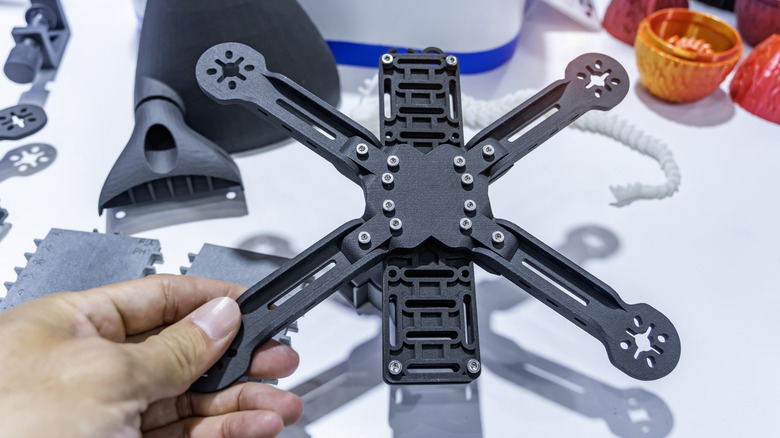
Drone or remote-controlled vehicle enthusiasts can save money printing spare parts for their machines — it's popular; some 3D modeling sites have entire sections for drone components. While you should not print flight-critical pieces (such as propellers) for your expensive drone until the material, design and strength have been validated, other parts (say, camera mounts, antenna guards and arm protectors) are fair game.
Anyone who has ever crash-landed their drone knows components require regular replacement, so if a part normally costs $10, a 3D printer that can churn it out for less will pay for itself over time. Not only that, but just like in the Space Station, the entire process may be cheaper and faster than ordering online.
2. 3D printing for gardeners and gearheads
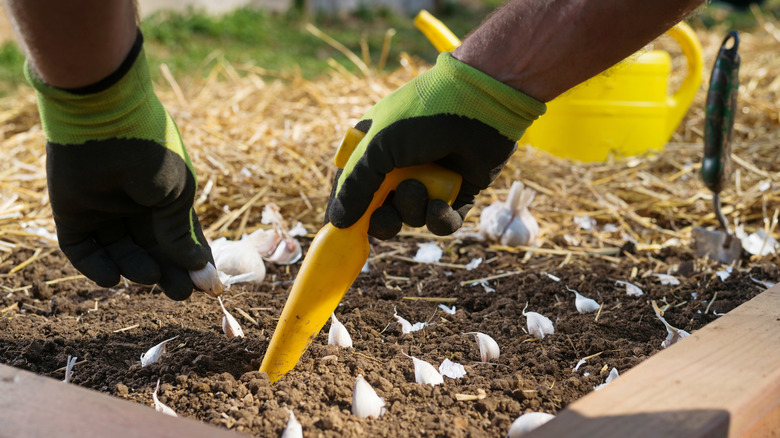
If you work with vehicles or run a busy garden, your 3D printer is a real reservoir of solutions. Mechanic or horticulturist, you probably go through a host of replaceable components that may be cheaper to print than buy; this is particularly true when some are sold in larger quantities than anyone needs or are expensive because they're highly specialized.
From garden signage to plastic clips, planters to soil dibbers — even bird feeders — you'll find you can print many useful items. In the garage, print hard-to-find car interior pieces, broken knobs, tool organizers, wrenches and a multi-axis vise. The convenience of printing just the right tool for the job should save money, time and frustration in any garden or garage.
3. Print your way to a smarter home

The capacity to make the right tool for the job also makes 3D printers useful for home automation. You can print all the obvious things, including cable management systems, shelving for various hubs, wall mounts and small spare parts, but the tech also lets you indulge your taste for smart home projects.
For example, if you use near-field communication (NFC) stickers around your home to control smart devices, you can make them a lot less utilitarian and way more interesting by printing housings or button mechanisms for them. You can afford to be imaginative, like with a simple but useful Tap-for-Wi-Fi sign that uses NFC to provide guest access, but you may just want a desktop robot. If you want Apple-style home control, print the chassis for a Home Assistant touch screen at a fraction of the cost of Apple's $299 HomeView, or print a wall mount for almost any tablet.
4. 3D for photography and videography
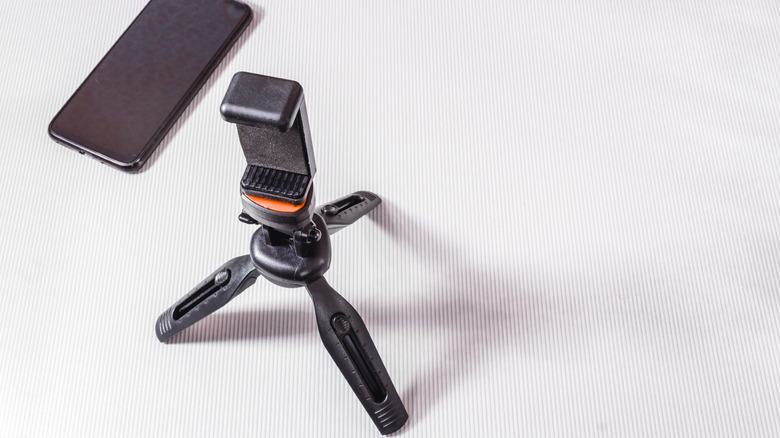
Photography and video enthusiasts complain about the price some camera manufacturers charge for highly replaceable items like lens caps, cable clamps and battery holders. That changes with 3D printing; after all, why should a branded lens cap cost so much when you can print a universal lens cap for a few cents? Seek, and you will find 3D printing files for so many useful camera accessories.
Beyond replacement, print mechanical V-lock battery plates, custom microphone and lighting mounts, selfie handles or compact and portable tripods. What's really useful is that you can make or tweak CAD files to create single-use custom tools to grab specific shots.
5. Dungeons, dragons and railroads
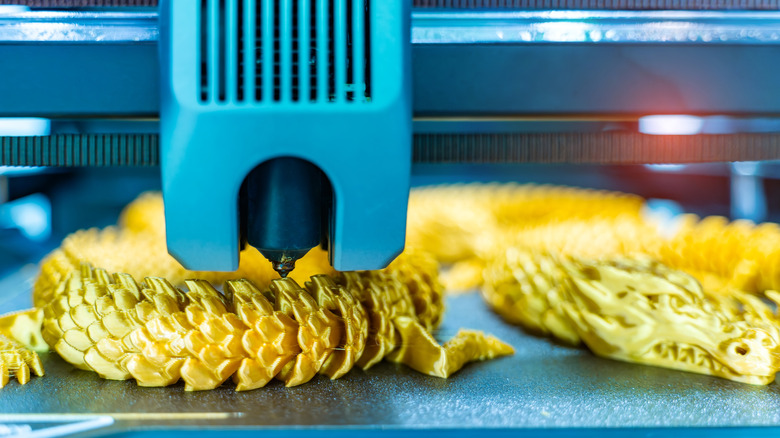
Gamers, Dungeons & Dragons players, model railroad and scale modeling enthusiasts: 3D printing opens the doors to new fantasy experiences. Print new characters, monsters, buildings, trees, and terrain to make your next scenario sing, or boost your track layout with a railroad siding or long-lost logo. The vast trove of models at MyMiniFactory shows that a thriving trade in these things already exists. Tabletop gamers already print historically accurate uniformed troops for their next recreation — and likely need a resin printer for detail. Finally, and perhaps even more importantly, gamers may never lose their dice again.
While there are plenty of ways a 3D printer should make a difference, if you're considering investing in one for your hobby, do think about how often you'll use it, your skill when doing so, and the actual running costs before taking the leap. You also need space since 3D printers require plenty of ventilation, so don't use them in your lounge or bedroom. In most cases, the best place to begin is to work with someone else's printer to see if the tech is right for you.
Originally published on Engadget