A motherboard leak demonstrates that a new production technique has been used to make the A20 Pro in the iPhone 18 Pro. Expect impressive performance, and a cooler running iPhone.
Apple is just months away from introducing its iPhone 18 Pro and iPhone 18 Pro Max, and the rumors about it continue to flow. The latest leak is about its internals, and how it could help improve performance.
A supposed image of the motherboard used in the iPhone 18 Pro and Pro Max was shared by WhyLab and Ice Universe on Weibo over the weekend. The shot includes lots of components, but the main focus is on the chip controlling everything.
Both Weibo leakers say it is an A20 Pro chip that is packaged using a technique known as Wafer-level Multi-Chip Module (WMCM). Previously rumored about, WMCM differs considerably from the current method of Integrated Fan-Out (InFO).
In the A19 and earlier chips, Apple packed the DRAM on top of the application processor. The benefits included minimal latency between the two components, as well as a reduction in power usage.
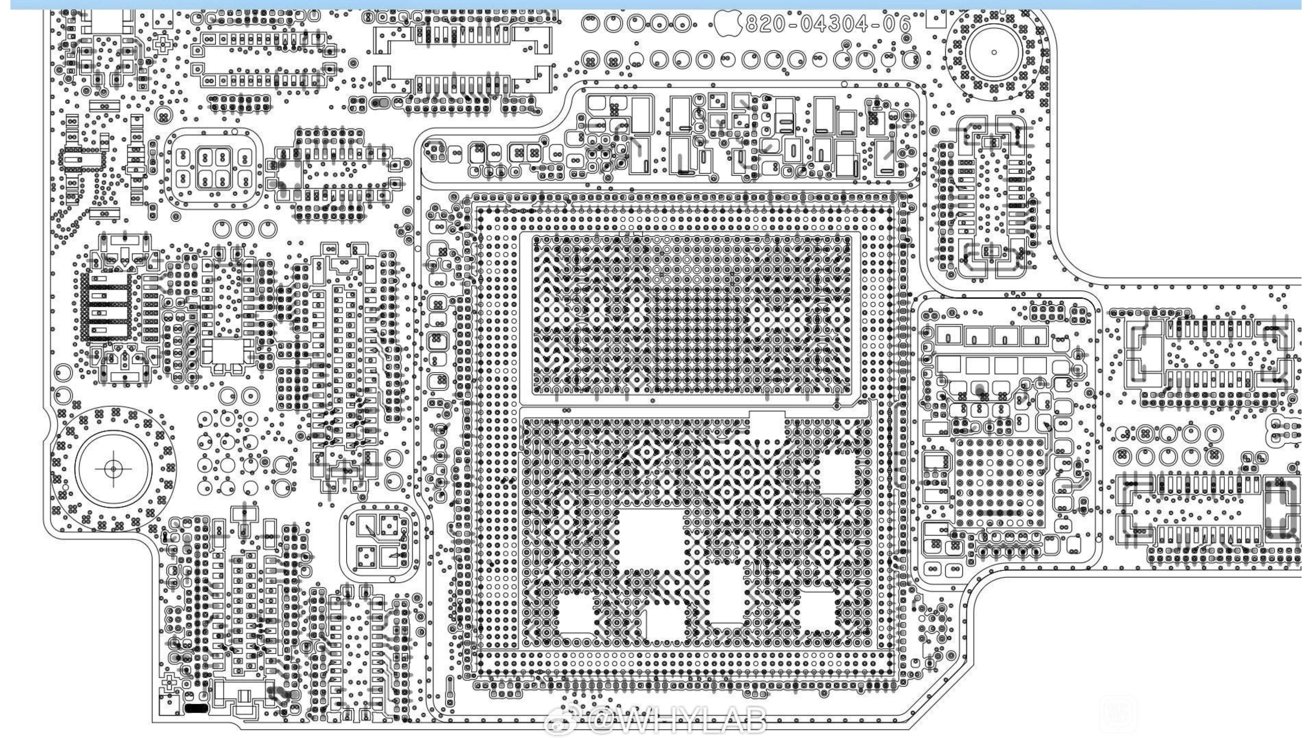
A diagram of the iPhone 18 Pro motherboard and A20 chip - Image Credit: WhyLab/Weibo
However, stacking components in this way also concentrates heat generation in one area. This makes the chip more prone to throttling.
Using WMCM, the chiplets are put close together to allow for fast communications, but they aren't stacked as before. Instead, the DRAM is shown as positioned to the side of the other chip components.
The change retains all of the speed benefits of the InFO method, but in a less compacted form.
The result is a spreading out of heat generation. This reduces the risk of thermal throttling, as well as making it easier to manage heat buildup due to having a wider area to work with.
Considering the iPhone 17 Pro used vapor chamber cooling to great effect, this should make the A20 a very powerful and thoroughly thermally-managed chip.
WMCM's use of smaller chiplets also opens the possibility of Apple producing more variants of the A20 chip in the first place. Apple doesn't have to make multiple chips with all of the component parts on one die, but instead can make more chiplet types and mix-and-match to its production plans.
The technique will help Apple save some production costs, with a lower amount of chip wastage.
Despite the component shift, the overall size of the chip is said to be roughly the same as the A19 Pro's footprint.
Memory and NPU changes
While the position of the memory on the chip is important, Ice Universe also adds that Apple is using LPDDR6 memory with a 96-bit bus. This would be a 50% increase from the 64-bit width of LPDDR5 and LPDDR5X used in earlier models.
Ice Universe points out that this could help improve overall bandwidth if the frequency and efficiency of the memory is high, too.
There are also improvements made to the NPU area, referring to the Neural Engine. The segment is massively expanded compared to previous generations, meaning it will be more useful for on-device AI processing than ever before.
Possible leak sourcing
Usually, the source of diagram or image leaks isn't known or spread by participants in the Apple rumor mill. However, this time, it's probably known where it's from.
On June 23, a Tata iPhone factory was hacked, and a significant amount of data was stolen. AppleInsider was able to confirm that logic board designs for the iPhone 18 Pro were in the files, as well as A20 Pro data sheets.
It isn't clear if the circulated image is from that breach, but it is likely.