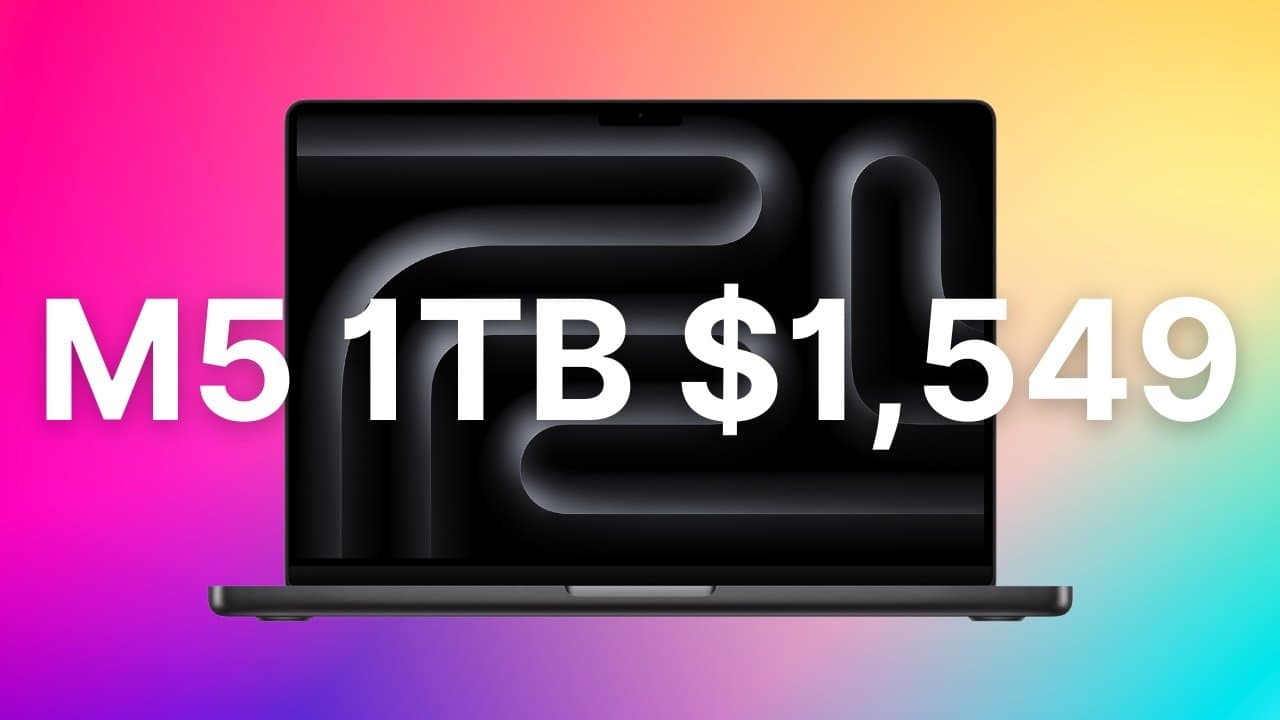
Apple's rare mid-cycle hardware price increases pushed the stock lower on June 25, but Wall Street's early response stayed largely upbeat as analysts kept their ratings and targets unchanged.
Apple shares fell about 4.8% in morning trading Thursday after the company announced the price increases. The announcement followed Micron's blockbuster earnings report, which reinforced Wall Street's view that AI-driven demand will keep DRAM and NAND prices elevated.
The selloff made Apple one of the biggest losers among megacap technology stocks even as analysts largely maintained their bullish outlooks.
The first analyst reactions published after Apple's June 25 announcement show a consistent view. Rather than cutting ratings or price targets, analysts argued the higher prices should help offset soaring memory costs that have become increasingly difficult for Apple to absorb.
The early consensus suggests investors are more focused on protecting margins than on the potential effect higher prices could have on demand.
Evercore ISI says Apple is protecting margins
Evercore ISI analyst Amit Daryanani reiterated an Outperform rating and a $365 price target following Apple's announcement. He described the move as unusual because Apple typically waits for a new hardware cycle before adjusting prices.
Daryanani wrote that DRAM and NAND prices have climbed to multiples of where they stood a year ago. He said Apple's long-term memory supply agreements also expired during the quarter, leaving the company more exposed to spot-market pricing.
Evercore believes those rising costs outpaced Apple's ability to absorb them. The firm expects the higher prices to help protect Apple's gross margins. Evercore also warned that the increases could create some demand friction for Macs and iPads.
The firm said Apple's decision to leave iPhone prices unchanged makes the expected September iPhone launch the next major pricing event.
Wedbush says Apple can raise prices without losing customers
Wedbush analyst Dan Ives also maintained an Outperform rating, keeping his $400 price target unchanged after the announcement.
Ives argued that soaring memory and storage costs have made higher Apple hardware prices unavoidable despite the company's purchasing scale. Wedbush believes Apple can raise prices without materially increasing customer churn because more customers continue buying higher-end products.
The firm kept its Outperform rating and $400 price target unchanged. Wedbush also highlighted Apple's recently announced semiconductor partnership with Intel.
Ives said the partnership supports Apple's effort to diversify chip production and expand manufacturing in the United States. Wedbush expects that strategy to help Apple secure additional chip capacity as AI infrastructure increases demand for memory and semiconductors.
Margins, not panic
Although the firms approached the announcement from different angles, both reached a similar conclusion. Neither analyst changed a rating or price target after Apple's price increases.
Apple raised prices because of extraordinary memory cost inflation rather than demand-related factors. Both firms maintained their ratings and price targets after the announcement.
The analysts focused on protecting Apple's profitability as component costs continue rising. Customer demand will become clearer over the coming quarters as buyers respond to the higher prices.