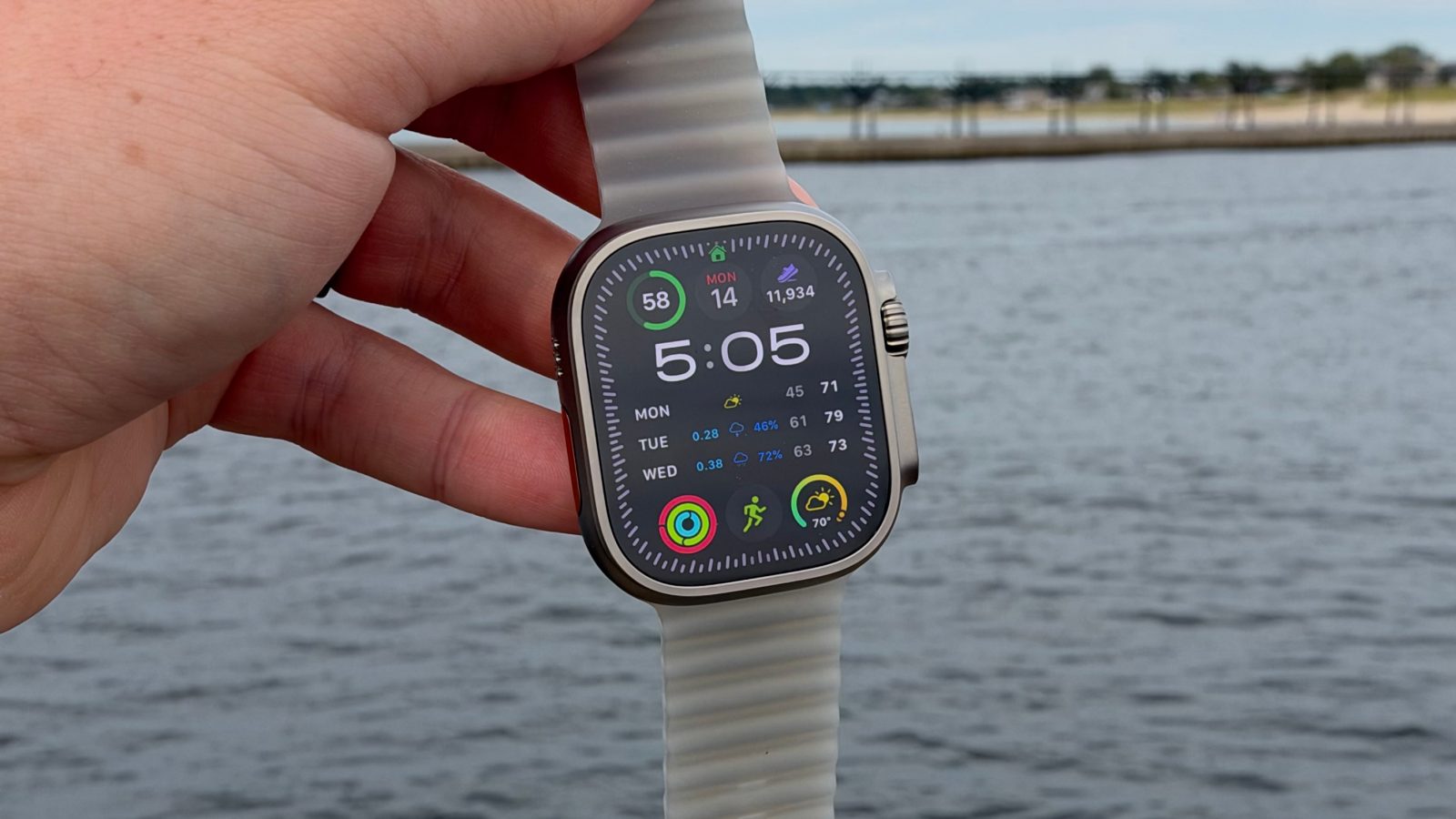
The Apple Watch Series 12 and Apple Watch Ultra 4 are all about what’s happening underneath. Headlined by a new Health Sensing System, they bring some of the biggest improvements to Apple Watch health tracking in years.
I’ve spent the last week with the Apple Watch Series 12 and Ultra 4. Here’s everything you need to know.
Design
The Apple Watch Series 12 and Apple Watch Ultra 4 look the same as their predecessors. The Apple Watch Ultra 4 comes in the same two titanium finishes as before: Natural and Black. My review unit is the Natural finish.
For the Apple Watch Series 12, the real design story is in the colors and finishes.
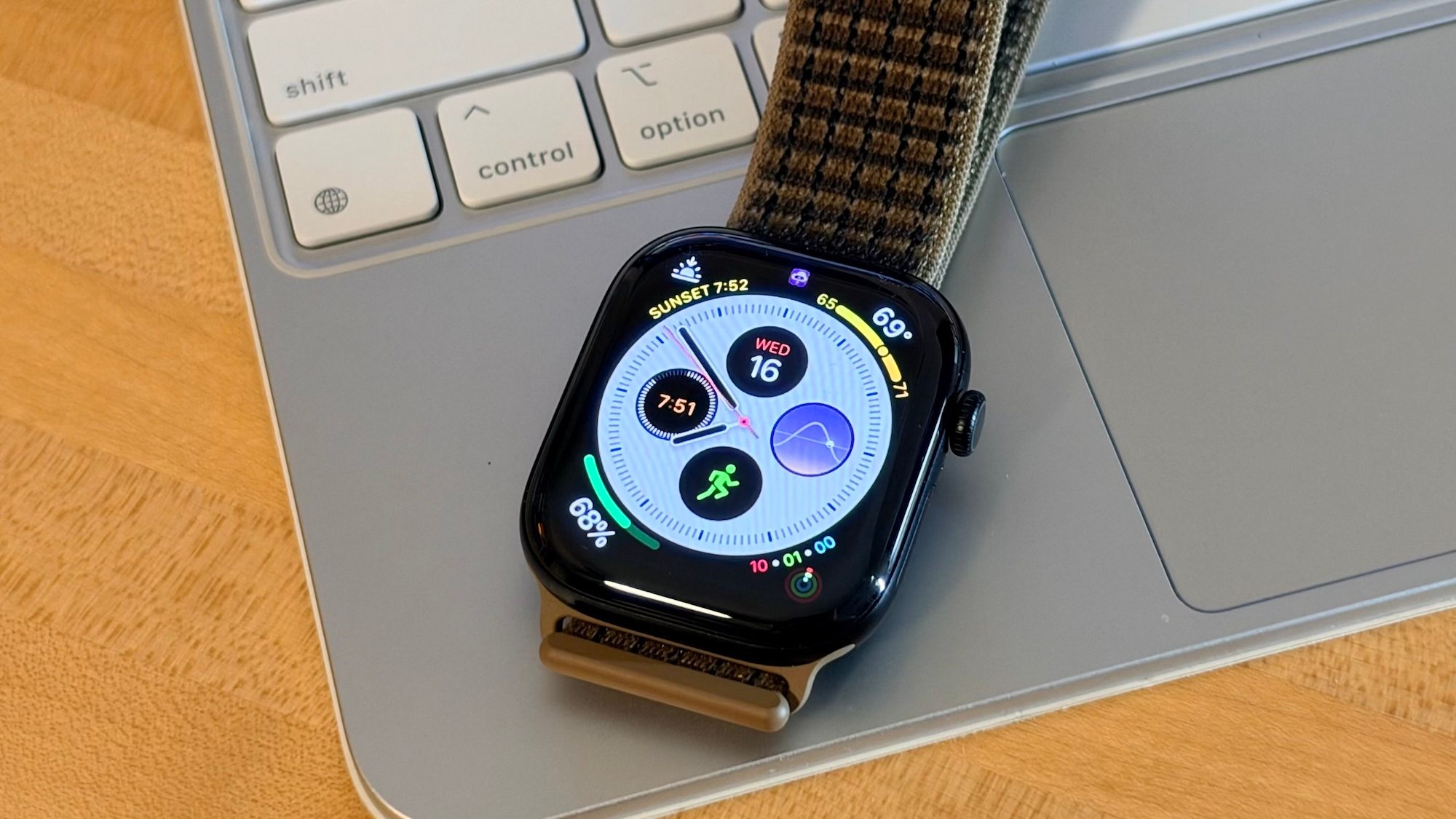
First, there are some very minor changes in the dimensions of the Apple Watch Series 12. Apple’s tech specs page details that the display area is about 2% smaller than the Series 10 and Series 11. The overall pixel count, however, hasn’t changed. With that slight reduction in display area, the casing is about 1mm wider on the Apple Watch Series 12.
In practice, none of this is noticeable in the real world. The Apple Watch’s display still stretches near the edge of the casing. When you think about the revamped health sensing system (more on that below), it’s especially impressive Apple has maintained that design.
The Apple Watch Series 12 is available in three materials: aluminum, titanium, and ceramic.
Aluminum comes in four finishes: Dark Bronze, Light Gold, Black, and Space Gray. The aluminum version also switches from Ion-X to Ceramic Shield 2 for the front glass.
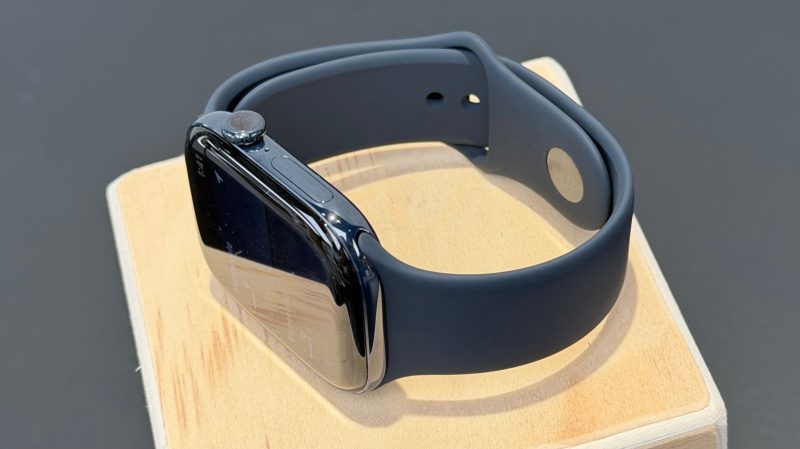
My Apple Watch Series 12 review unit is the black aluminum finish. Unlike last year’s Jet Black aluminum case, the black Apple Watch Series 12 is a matte finish. I think I’m partial to the Jet Black look personally, but I understand Apple switches things up on a year-to-year basis and it could return at some point in the future.
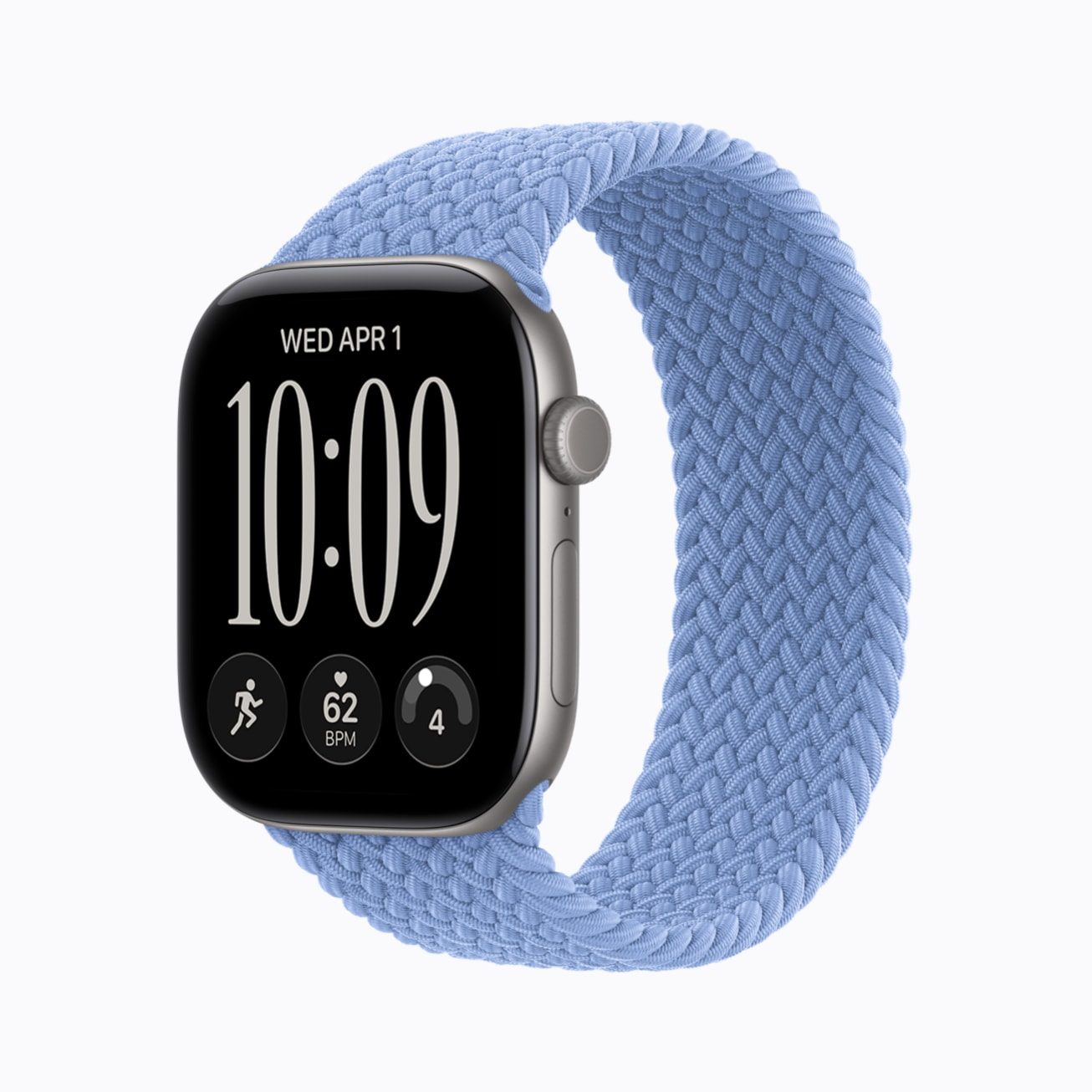


In my hands-on time with all the Apple Watch Series 12 aluminum colors last week, Dark Bronze stood out most. It’s an elegant finish that is unlike any previous aluminum Apple Watch. The Light Gold is also a really nice color for fans of gold. The Apple Watch Series 12 isn’t available in silver aluminum, but the space gray is light enough that I think it will tick that box for most people.
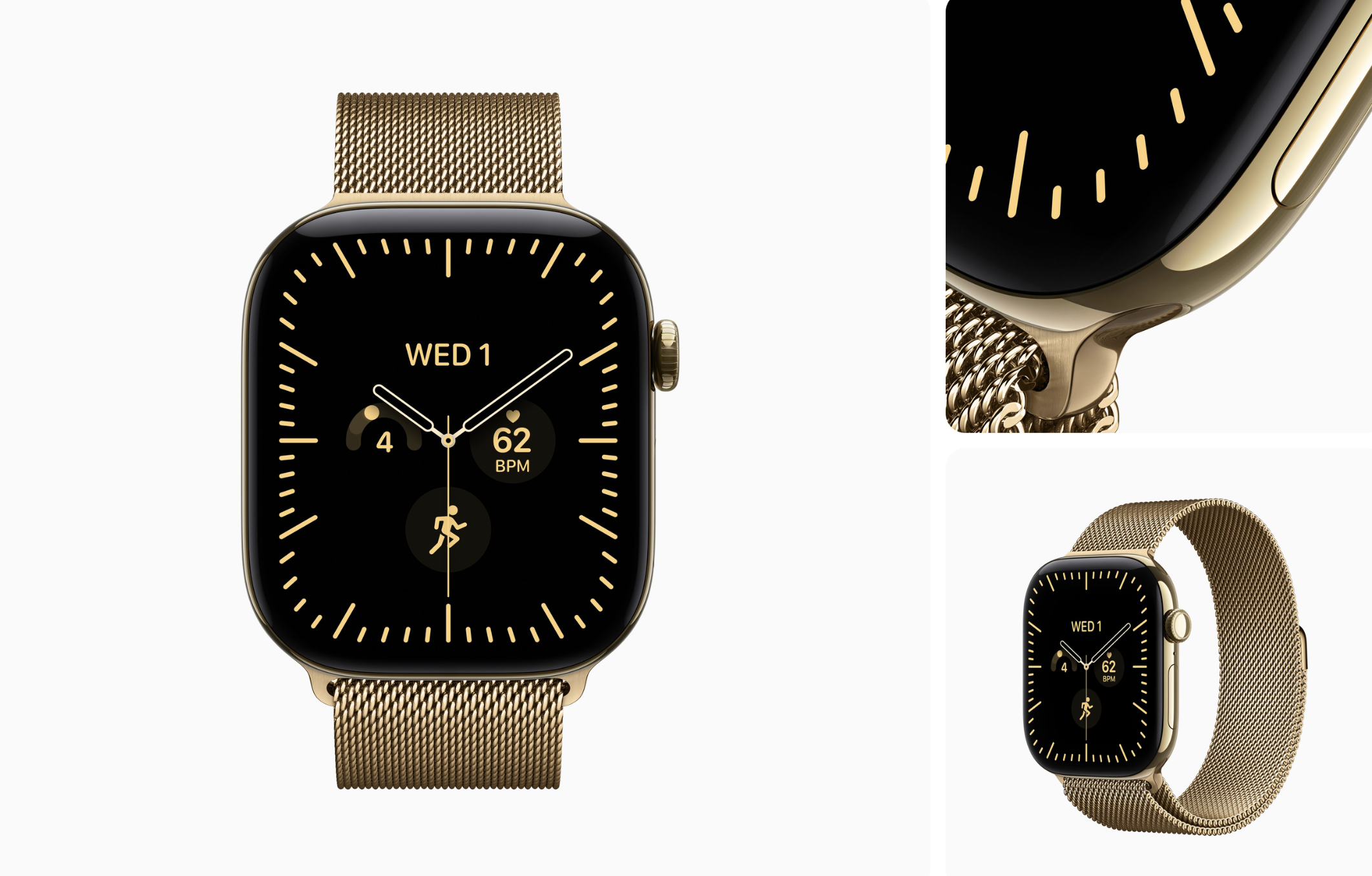
The Apple Watch Series 12 in titanium is available in two finishes: Radiant Gold and Natural. In comparison, the titanium Apple Watch Series 11 came in Natural, Gold, and Slate.
The Radiant Gold is striking. Based on the appearance and how it differs from last year’s color, I think Apple’s goal is clear: to make the titanium Apple Watch Series 12 look as much like real gold as possible, but without actually using real gold. People have a lot of strong opinions about what “real gold” actually looks like, but to my eye Apple has done a great job with the Radiant Gold titanium on the Series 12.
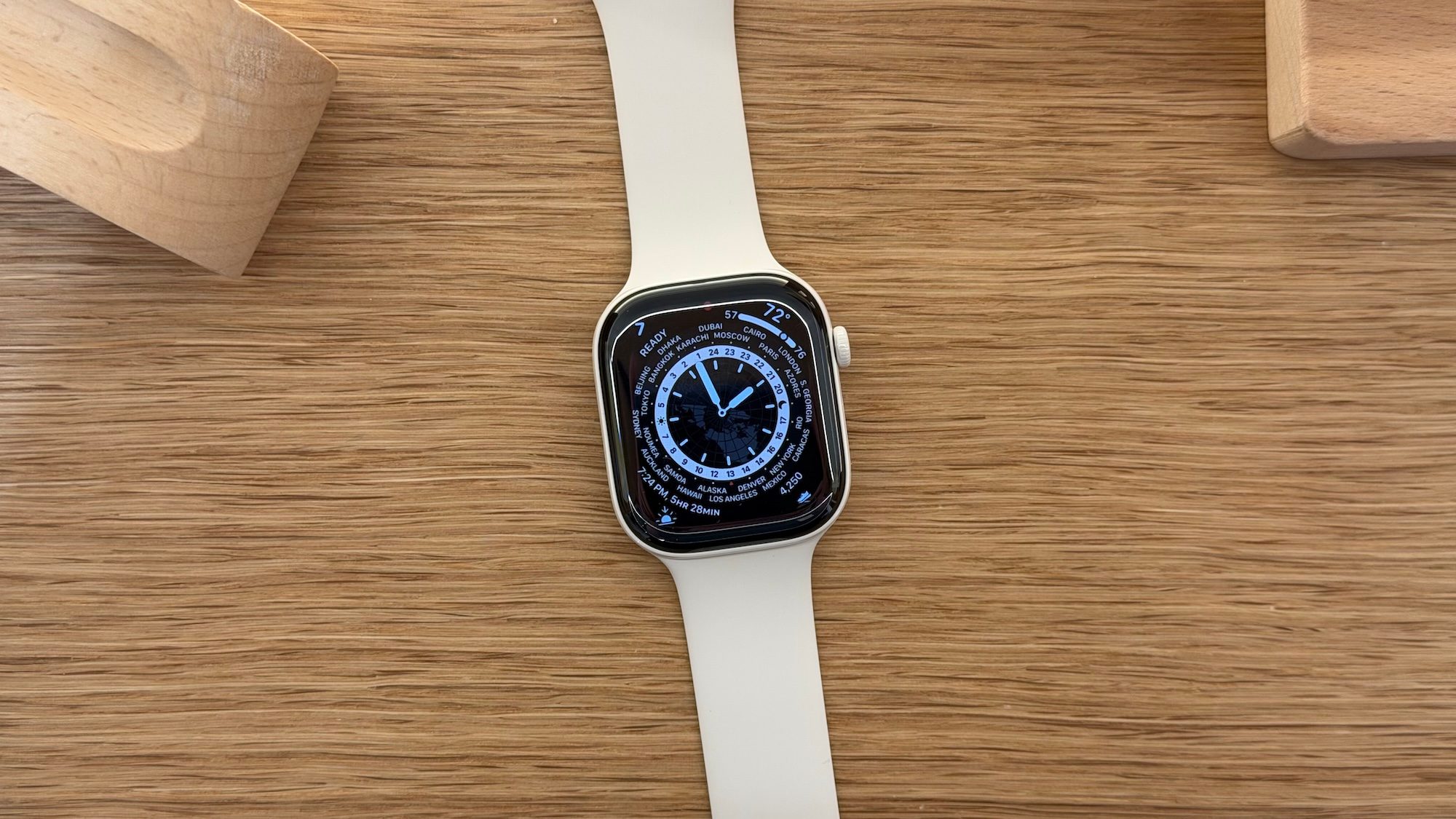
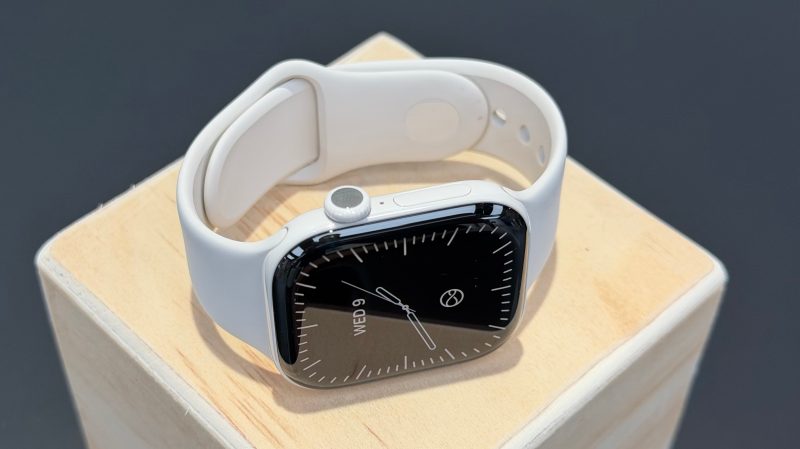
Saving the best for last, the Apple Watch Series 12 in ceramic is available in two finishes: Night Blue and Pearl White. The last time Apple released a ceramic watch was with the Series 5 in 2019, and it quickly became a fan favorite.
I only spent a few minutes with the ceramic Apple Watch Series 12 at last week’s Apple event. The Night Blue is nice, but I immediately gravitated towards the Pearl White. It’s not quite as white as the Series 5, with a very soft off-white glow to it depending on the lighting.
Health tracking
The big change to the Apple Watch Series 12 and Apple Watch Ultra 4 is the new Health Sensing System, which brings what I think is the biggest upgrade to the Apple Watch’s health suite in years.
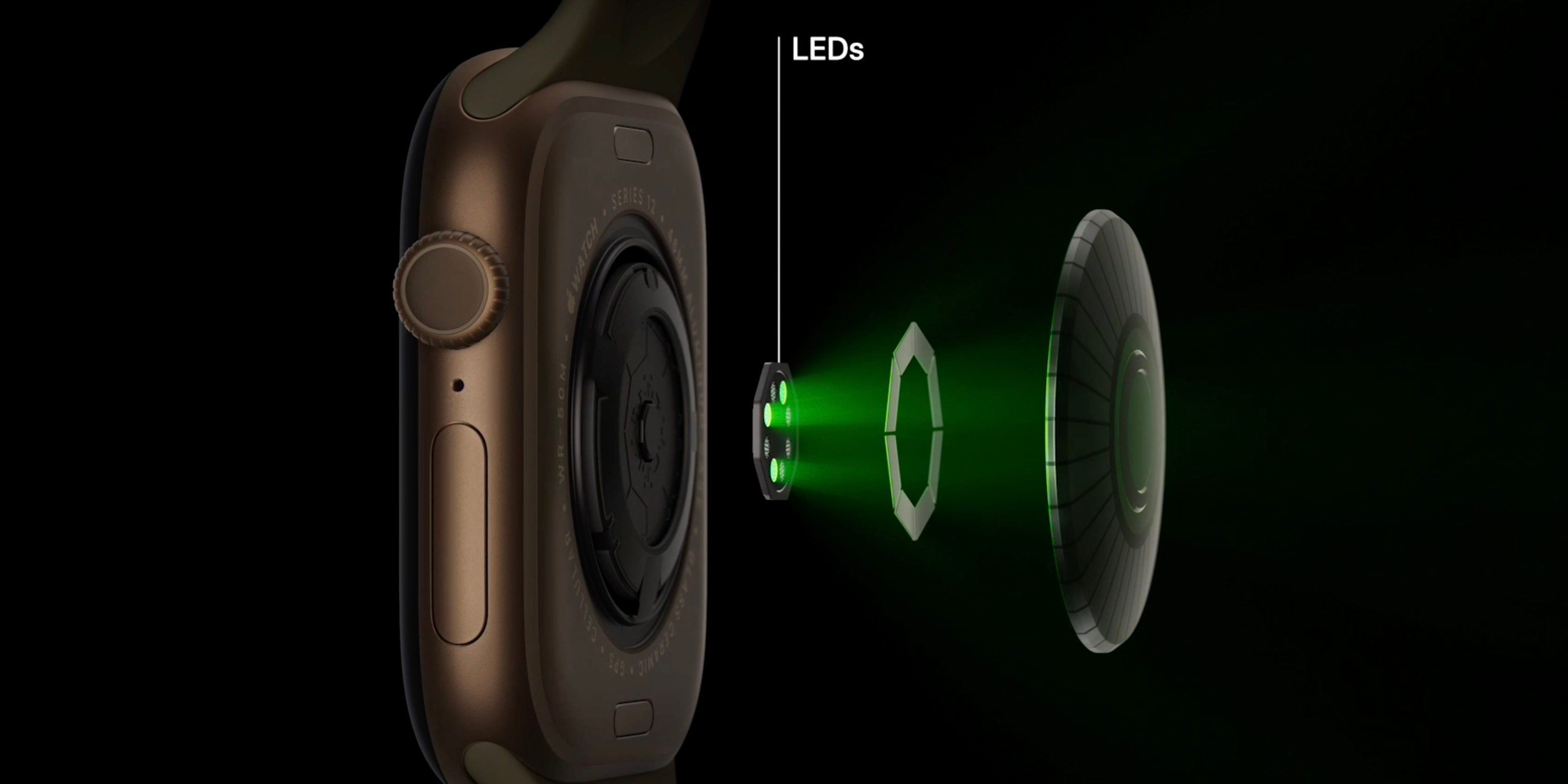
This starts with a new design for sensing hardware. Apple outlines three aspects to this:
- Electrodes get more contact area without the sensor growing. This enables better skin contact during ECG readings.
- The photodiodes have been redesigned and are now arranged in a ring to capture more reflected light.
- The green LEDs are larger, for more reliable readings while you’re moving, and more power efficient.
This enables the Apple Watch Series 12 and Apple Watch Ultra 4 to take more accurate and more frequent background heart rate measurements. That is, more heart rate readings when not doing a workout.
Previous Apple Watch models attempted to capture your background heart rate every five minutes when you were mostly stationary.
Apple says the new Health Sensing System delivers “the most accurate heart rate sensing in a wearable.” In a study of more than 1,000 participants, Apple says the Series 12 achieved statistically better overall accuracy than every competing wearable it tested across workouts and daily activities.
Apple Watch Series 12 and Apple Watch Ultra 4 offer a big improvement. They will capture your heart rate every five seconds, regardless of whether you’re moving or stationary. Having such frequent and accurate heart rate readings unlocks new levels of data and insight.
When measuring your heart rate once every five minutes while stationary, previous Apple Watch models had an inherent blind spot. They either didn’t capture moments where your heart rate increased while not working out, or they captured one or two arbitrary readings somewhere in the middle of those moments.
The Apple Watch Series 12 and Apple Watch Ultra 4 not only take more readings, they take readings while you’re in motion. You can see how things like hauling groceries, doing yard work, and shoveling snow impact your heart rate.
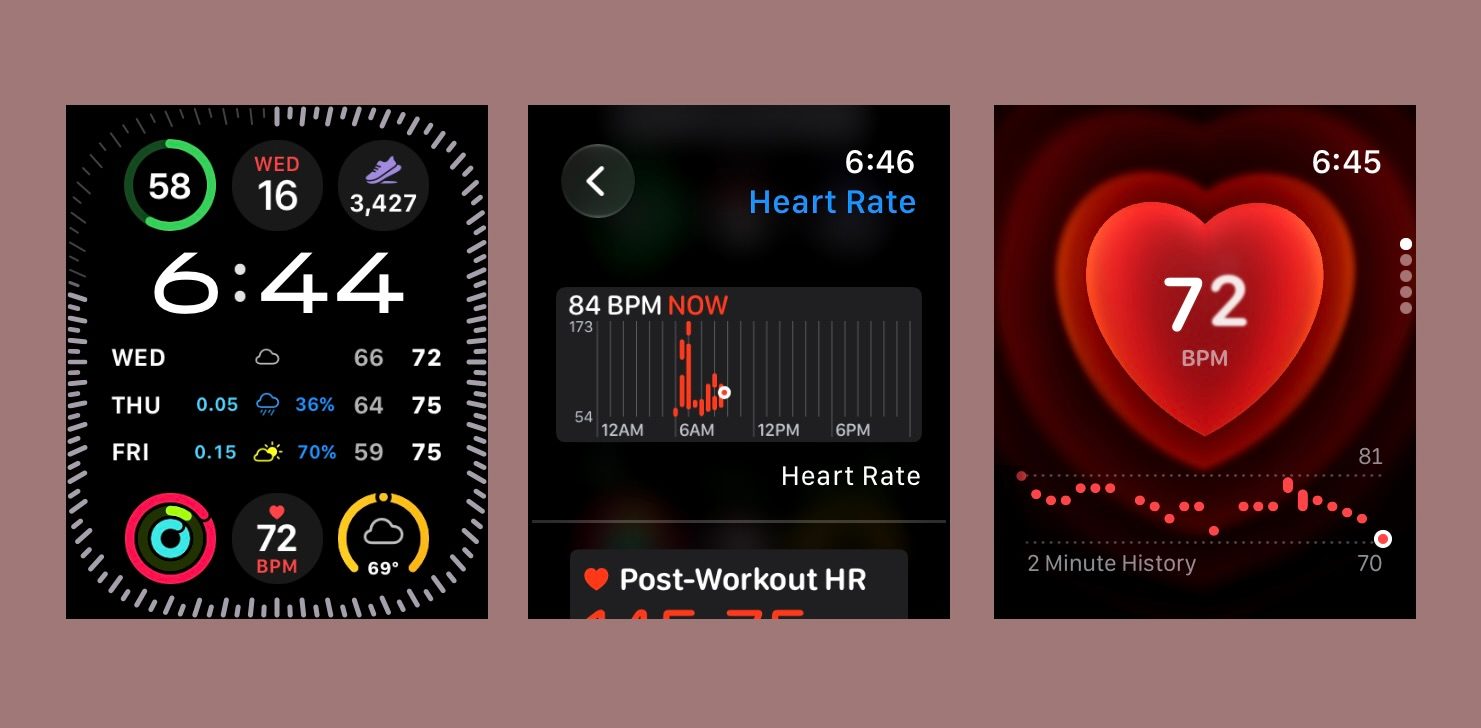
Apple has also added several new ways to view your heart rate data. First, the Heart Rate app on Apple Watch has been redesigned, so you can now see your heart rate and a graph of readings from the last two minutes.
There are also two new heart rate complications for your watch face that show your heart rate at a glance.
In my one week with the Apple Watch Series 12 and Apple Watch Ultra 4, I’ve found that added data very insightful. I’m learning more about how little things I do throughout the day impact my heart rate. For example, I can visualize the impact of a late afternoon cup of coffee, or the impact of a stressful moment at work.
Beyond simply giving you more raw data, Apple Watch Series 12 and Apple Watch Ultra 4 proactively use the more frequent heart rate readings to enable new features and improvements.
First, Apple says the data enables improved calorie estimates. I haven’t noticed much change in my data here, but it might become clearer once I’ve worn the new Apple Watch for more than a week.
One thing I had hoped to see was the more frequent heart rate measurements would improve automatic workout detection. At least in my testing so far, that doesn’t seem to be the case.
The Apple Watch Series 12 and Apple Watch Ultra 4 also now sample heart rate variability (HRV) at a higher rate than before. Previously, it captured HRV once every two hours, but the new Apple Watch models enable measurements as often as once every five minutes while at rest.
The Apple Watch Series 12 and Ultra 4 also now track recovery HRV, which is best at recognizing daily signals of stress and fatigue. The new Apple Watch models also continue to measure overall HRV, best at identifying broader health signals, as they have done for years.
Furthermore, Apple is integrating recovery HRV measurements into overnight vitals.
Vitals
Speaking of Vitals, Apple is making several changes to the broader Vitals experience with the Apple Watch Series 12 and Ultra 4. First, there’s a new daytime view for Vitals.
Previously, Vitals was an overnight-only report that you would see in the morning. The daytime view shows you your daytime heart rate and HRV, with the idea being you can see if something is out of whack without waiting for your overnight vitals report.
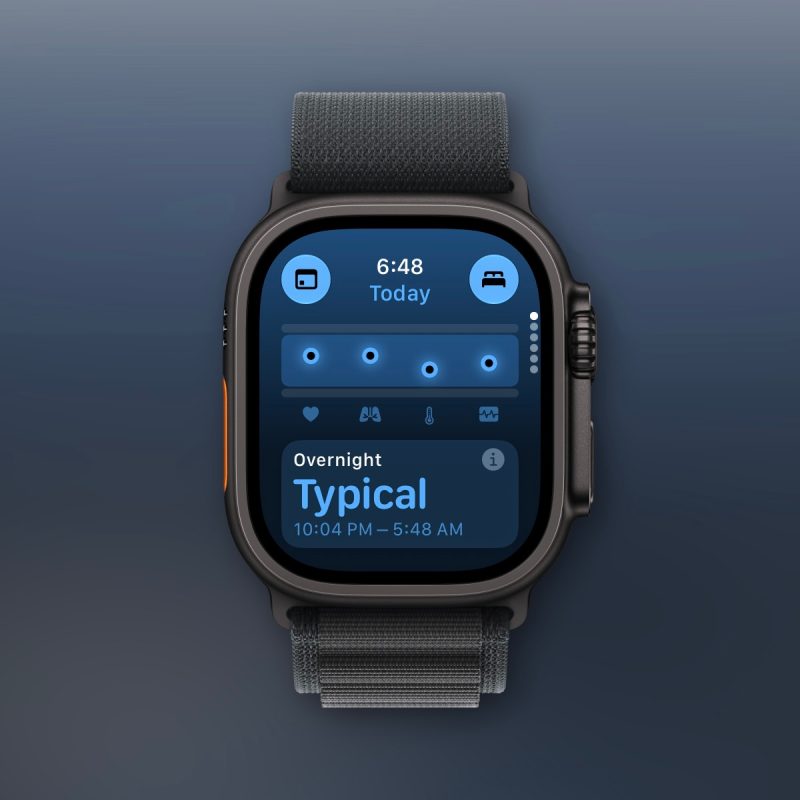
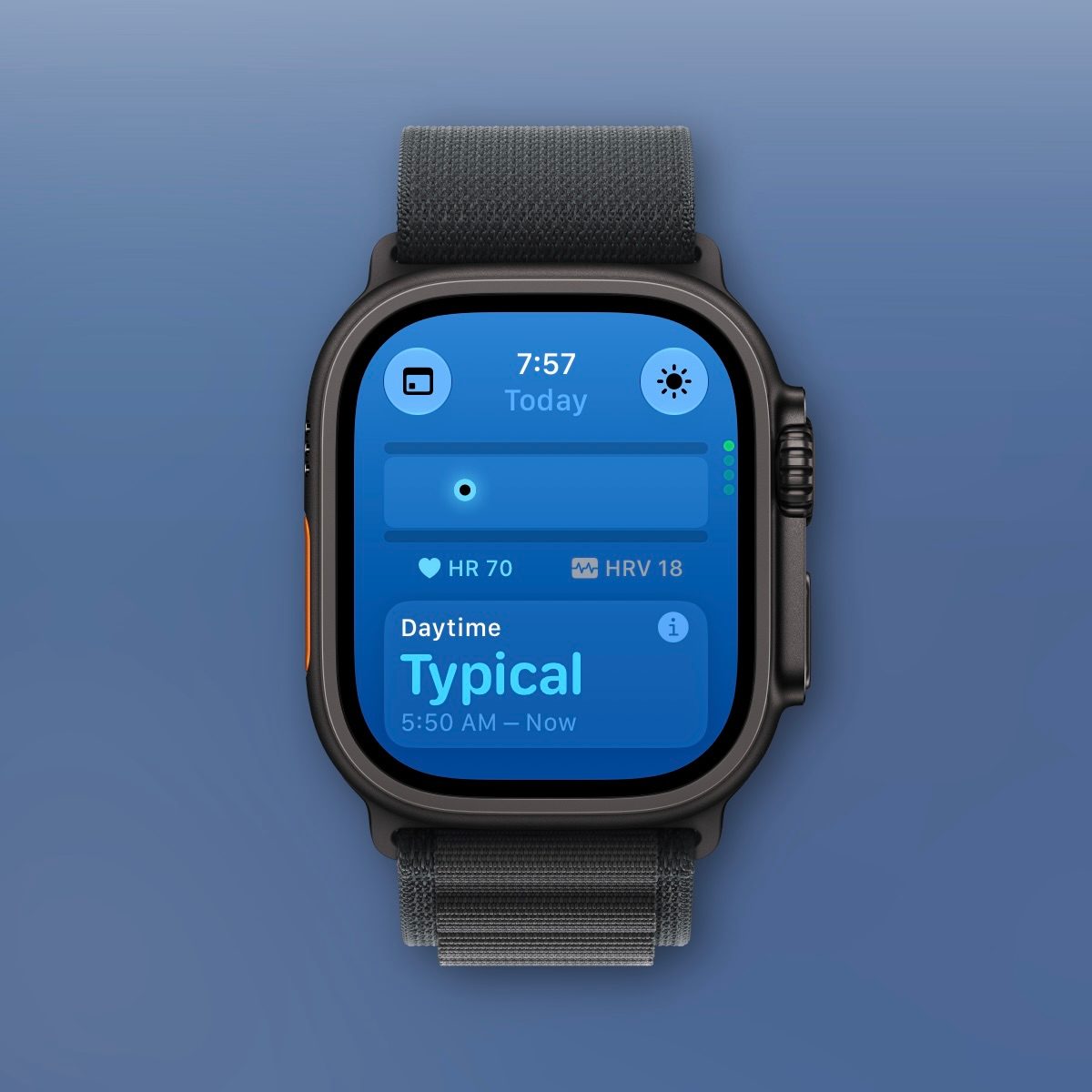
Vitals also now shows you four different categories for your metrics: notably off, slightly off, typical, or favorable. This gives you more granularity than the old two-tier system, which just categorized your metrics as typical or outlier.
I’m a big fan of the Vitals app on Apple Watch, and I’m glad to see Apple making meaningful improvements with the Apple Watch Series 12 and Apple Watch Ultra 4. It has routinely caught signs of a looming sickness before I actually felt anything.
The new daytime view will require some additional testing to know just how useful it is, given that it’s limited to just two metrics. Still, there are some really nice improvements to Vitals that tap into the more frequent heart rate and HRV measurements enabled by the Apple Watch Series 12 and Apple Watch Ultra 4.
Readiness
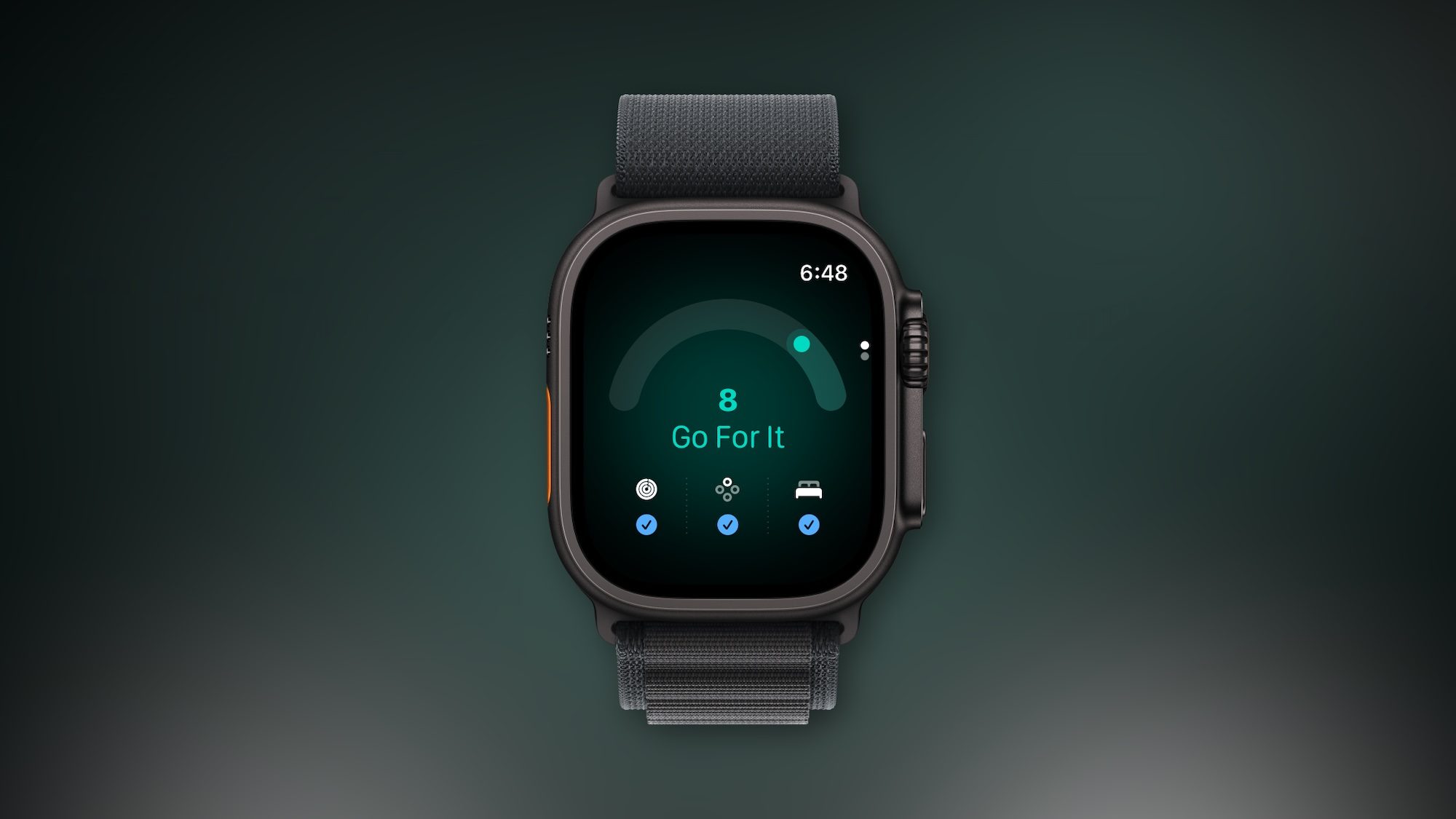
The Apple Watch Series 12 and Apple Watch Ultra 4 offer a new readiness score that aims to distill all of the data your Apple Watch has on you into a single score.
Apple says that readiness factors in your recent activity, training load, vitals, and sleep score. Your readiness score also updates throughout the day based on naps, activity, and daytime heart rate, so it’s dynamic based on new data that comes in.
You can view your readiness score in the Readiness app on Apple Watch, as well as in the Fitness app on iPhone. It’s also available in the redesigned version of the Health app, which is currently available in beta testing.
The biggest Apple Watch competitors have offered similar scores for years, including Whoop (Whoop Recovery) and Oura (Readiness Score). Apple’s addition of its own readiness feature for the Apple Watch Series 12 and Apple Watch Ultra 4 is its most direct response yet to those other wearables.
I’ve worn an Oura Ring for the past year, primarily for its Readiness Score. I appreciate that number distilling multiple different metrics into a single number I can glance at each morning. It’s felt like a huge gap in the Apple Watch’s software experience, and I’m glad Apple is taking a similar approach now.
Apple Watch’s Readiness score requires one week of sleep data, and I’ve only had my review units for a week. This means I’ve only gotten one Readiness score thus far, so it’s too early to make a determination on how useful Apple’s version of the feature is.
I’m optimistic given the type of data Apple is taking into account for readiness. I also think Apple is making the right call by using a 0-10 scale, unlike Oura’s 0-100 scale. Here are Apple’s readiness ranges:
- 0-1: Recover
- 2-4: Pace Yourself
- 5-7: Ready
- 8-10: Go For It
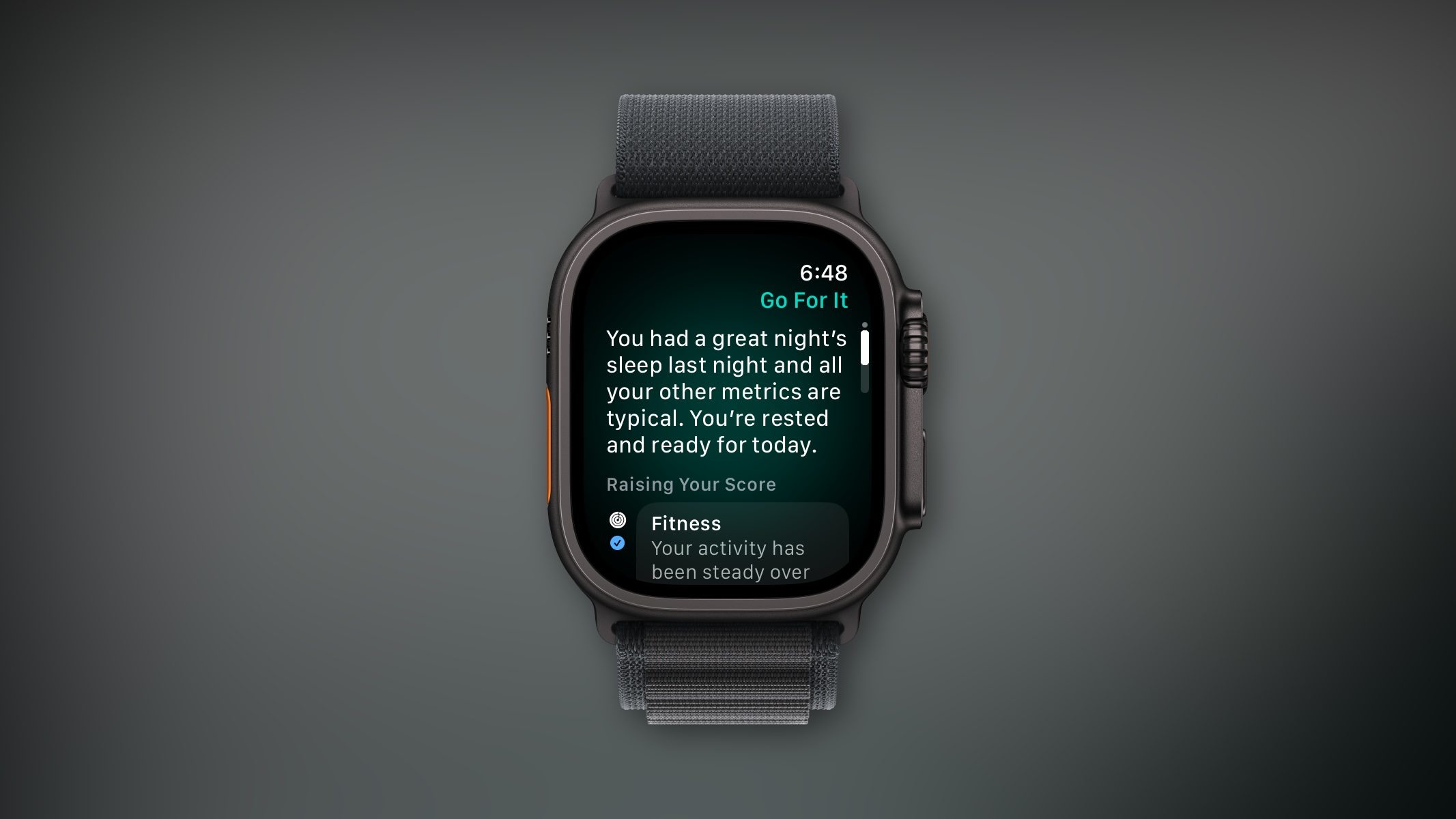
These strike me as straightforward enough, and potentially more actionable than the scores and patronizing (or passive aggressive) recommendations offered by Oura. I look forward to testing it more and comparing the scores directly to Oura in the coming weeks.
For comparison, on a day where my Apple Watch’s readiness score was an 8/10, my Oura Ring’s was an 85/100.
I also like how Readiness shows which factor pushed your number up or down, whether that’s sleep, activity, or your overnight vitals, and you can tap through to that app for the details.
Performance
The Apple Watch Ultra 4 and Apple Watch Series 12 are both powered by Apple’s new S11 chip, which the company describes as its “most powerful wearable chip.”
This is the first meaningfully new chip for the Apple Watch since the S9 debuted in the Apple Watch Series 9 in 2023. The Apple Watch Series 10’s S10 chip was the same design in a thinner package, and last year’s models didn’t get a new chip at all.
Apple touts that the new S11 chip includes CPU, GPU, and Neural Engine components derived from the A20 Pro chip used in the iPhone 18 Pro. It also reportedly doubles the Apple Watch’s RAM from 2GB to 4GB.
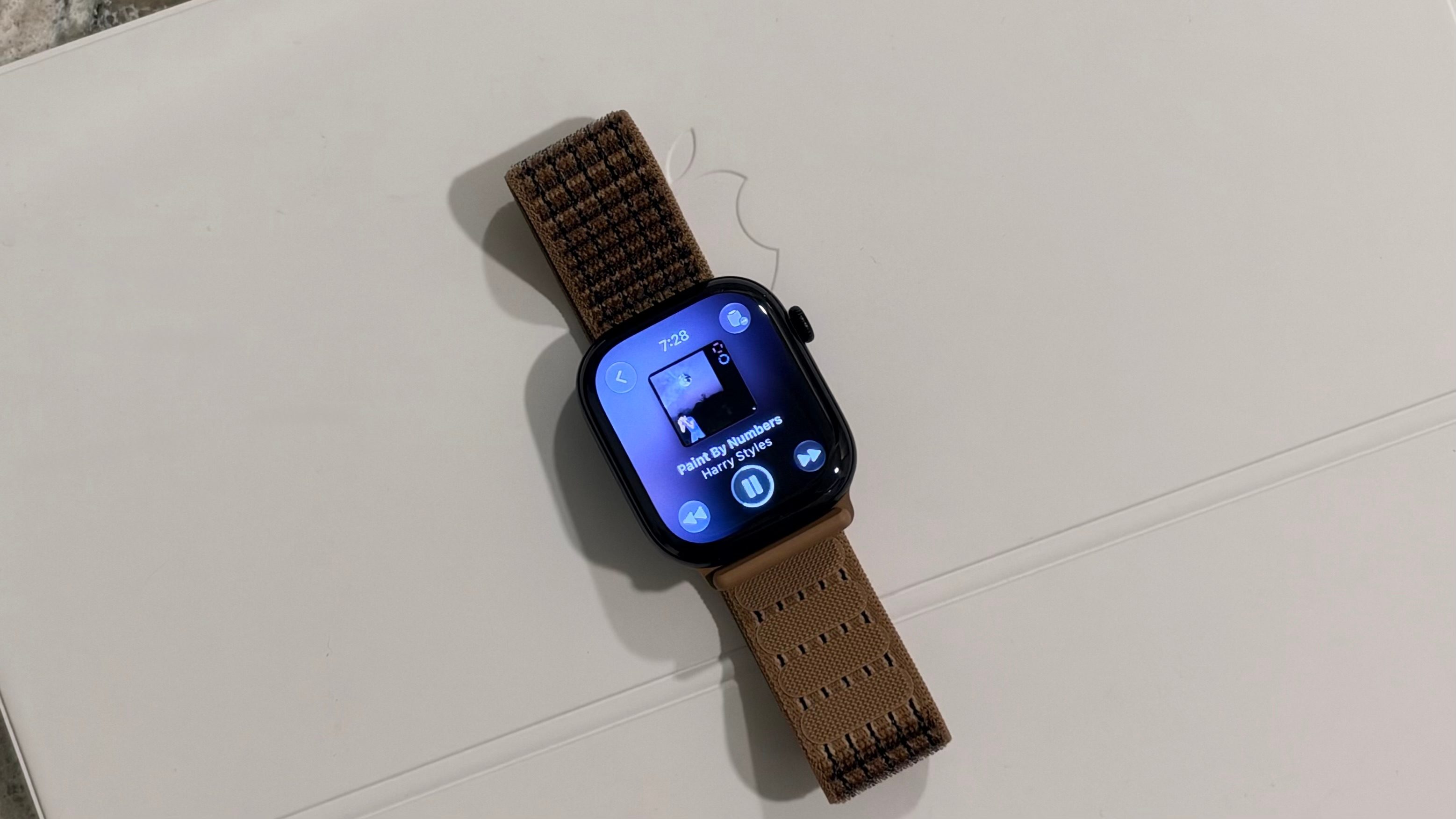
There’s another aspect to the S11 chip: a new always-on processor that can handle complex workloads without tapping into the main chip. Inside it is a secure exclave, a hardware-isolated compartment to keep microphone data for Audio Intelligence private and secure.
In practice, Apple says the S11 chip, combined with the always-on processor, plays a role in multiple Apple Watch Series 12 and Ultra 4 features:
- It works in conjunction with the new Health Sensing System to provide the higher-frequency heart rate readings.
- It helps power the Audio Intelligence features like Siri Recap (more on that below).
- It runs the redesigned pedometer model that Apple says is more accurate, including when your arms are stationary (like pushing a stroller).
In comparison to my Apple Watch Ultra 3, the Apple Watch Ultra 4 and Apple Watch Series 12 feel quicker when launching new apps, scrolling through menus, and doing basic interactions with Siri AI. To me, however, it shines by playing such a vital role in powering the aforementioned new health features.
Battery life
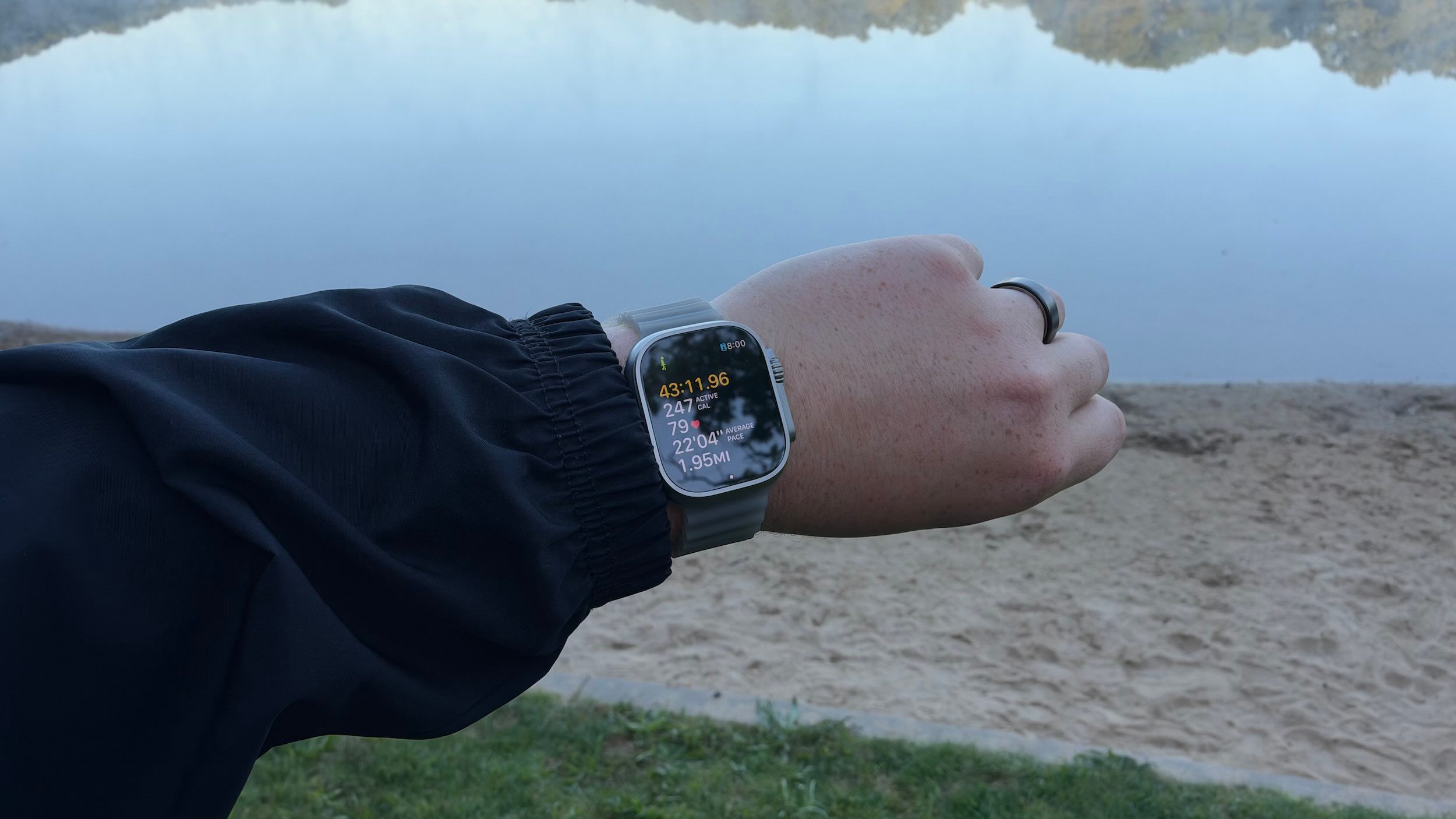
The Apple Watch Series 12 features a slightly larger battery, combined with the improved power efficiency of the Health Sensing System and S11 chip. Here are Apple’s battery claims for Apple Watch Series 12:
- 24 hrs normal use (unchanged from Series 11)
- 38 hrs Low Power Mode (unchanged from Series 11)
- 10 hrs outdoor workout, up 2 hrs
Apple also touts faster charging in select scenarios:
- Up to 10 hours of sleep tracking with a 5-minute fast charge
- Up to 12 hours of battery life with a 15-minute fast charge
- Up to 80 percent battery charge in about 30 minutes (unchanged)
Those top two line items stood out to me in my testing of the Apple Watch Series 12. With Apple Watch’s increasing focus on sleep tracking, having a way to quickly top up before bed is very important.
For Apple Watch Ultra 4, which also has a larger battery, Apple says:
- 50 hours normal use, up from 42 on Ultra 3
- 84 hours Low Power Mode, up from 72 on Ultra 3
- Workouts: 18 hours standard (up from 14), 25 hrs Extended (up from 20), and 45 hours Max Extended
- Up to 18 hours of battery life with a 15-min fast charge, up from 12 hours on Ultra 3
In my testing, the Apple Watch Ultra 4 lives up to Apple’s battery life claims. In my real-world test, I charged it to 100% around 8 p.m. on Sunday and didn’t put it back on the charger until 8 p.m. on Tuesday. That’s 48 hours on a single charge, including 90 minutes of workout tracking, three hours away from my iPhone, and two nights of sleep tracking.
Odds and ends
- There’s a new Steps complication for your watch face that updates your step count in real-time. I love it.
- Apple has redesigned the Ocean Band for the Apple Watch Ultra. It’s now made from a translucent silicone material and comes in translucent gray, translucent kelp, and translucent black. In addition to the different appearance, the new Ocean Band style also feels lighter on my wrist.
- There’s a new Siri Modular watch face, which is also backwards compatible. Zac covered it in detail here.
More to come

This is really only the start of what to expect from Apple Watch this year.
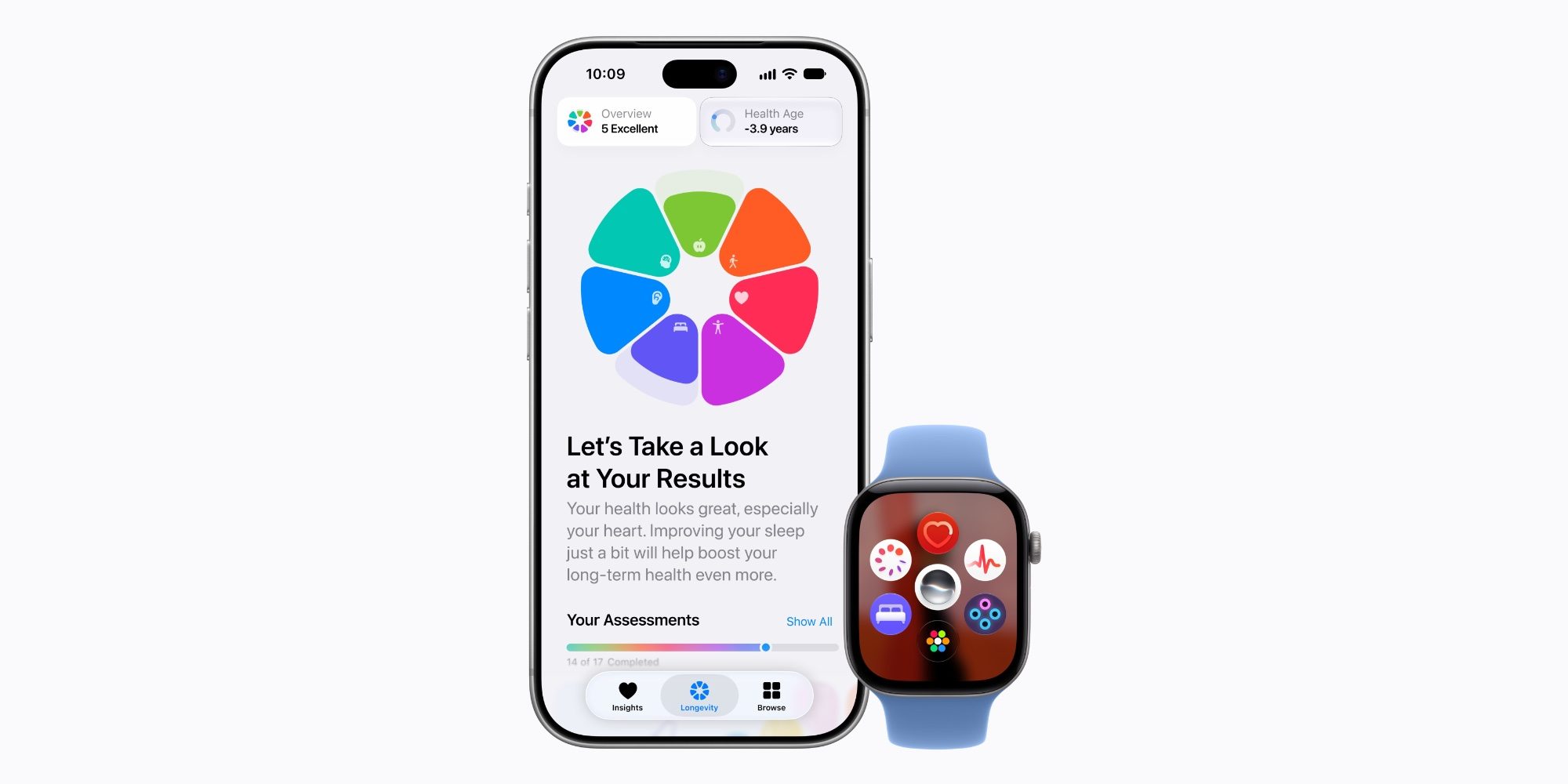
First, Apple is working on a completely redesigned version of the Health app, with a new Longevity tab and metrics like Health Age. I’m eager to try the new Health app. Apple says it’s coming in a software update later this year, and it’s available in beta as of Wednesday afternoon.
Apple Watch Series 12 and Apple Watch Ultra 4 will also add new Audio Intelligence features later this year, including Live Rewind and Siri Recap.
Live Rewind lets you recall what was just said in the previous 15 seconds of a conversation as a text snippet by double-pressing the Digital Crown. Siri Recap, meanwhile, creates high-level summaries of conversations that you can review later. Both of these features will launch in beta later this year, Apple says. The company has outlined a thorough privacy strategy around these features, too.
Combined with the launch of Siri AI, Siri Recap and Live Rewind are the biggest steps yet toward Apple turning the Apple Watch into a full-fledged AI wearable — something I’m really excited to see play out.
9to5Mac’s Take
Who should upgrade to the Apple Watch Series 12 or Apple Watch Ultra 4? I think this is one of the most substantial upgrades we’ve seen in recent years. If you’re in the Series 9 or Ultra 2 crowd (or earlier), I’d seriously consider making the jump. If you have a newer Apple Watch, it really boils down to how much you care about the new health features.
On the surface, the Apple Watch Series 12 and Apple Watch Ultra 4 seem like small updates. They don’t reinvent the form factor (although the new colors and material options are fantastic).
Instead, it’s what’s happening underneath that makes the Apple Watch Series 12 and Ultra 4 so interesting. Apple has focused on making the watch considerably more capable at what it already does best: serving as an always-on companion that can monitor your heart, sleep, and activity. Oh, and it keeps you connected to friends, family, and the rest of the outside world.
The new Health Sensing System is the foundation for all of this. It fundamentally changes how much your Apple Watch knows about you throughout the day.
Crucially, Apple didn’t just increase the frequency of heart rate readings and put the burden on you to decipher all that added data. The new hardware ties together with watchOS 27 to provide meaningful insight into your daily life, including the promising Readiness app and a more capable Vitals app.
The story is even more exciting when you factor in the Siri Recap and Live Rewind features coming later this year. Apple Watch Series 12 and Ultra 4 not only know more about you now than ever before, but they will also help you keep up with the world around you.
Taken as a whole, the Apple Watch Series 12 and Apple Watch Ultra 4 offer the clearest indication yet of what the future holds for Apple’s most important wearable.
My favorite Apple Watch links:
Follow Chance: Threads, Bluesky, Instagram, and Mastodon.
FTC: We use income earning auto affiliate links. More.