Apple @ Work is exclusively brought to you by Mosyle, the only Apple Unified Platform. Mosyle is the only solution that integrates in a single professional-grade platform all the solutions necessary to seamlessly and automatically deploy, manage, and protect Apple devices at work. Over 45,000 organizations trust Mosyle to make millions of Apple devices work-ready with no effort and at an affordable cost. Request your EXTENDED TRIAL today and understand why Mosyle is everything you need to work with Apple.
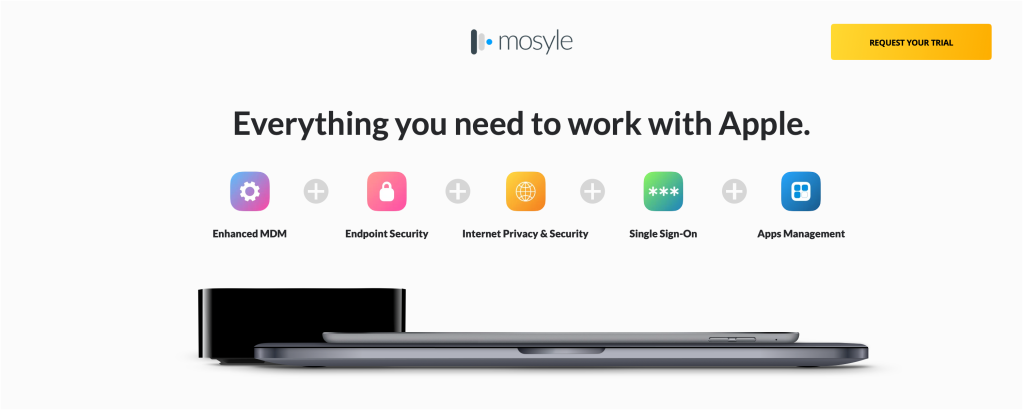
I have a very standard plan when a batch of Apple laptops reaches the end of its lease or deployment lifecycle. I want them gone ASAP. Typically, by the time a MacBook Air or Pro hits that four-year mark, it is old, unusable, and ready to be recycled. I don’t want to see them in my office, and I certainly don’t want to support them. I want them recycled, but the M1 MacBook Air has completely broken that rule, and in a world where Macs are going up in price, it matters.
About Apple @ Work: Bradley Chambers has been an Apple IT admin since 2009. Through his experience deploying and managing firewalls, switches, a mobile device management system, enterprise-grade Wi-Fi, 1000s of Macs, and 1000s of iPads, Bradley will highlight ways in which Apple IT managers deploy Apple devices, build networks to support them, train users, share stories from the trenches of IT management, and ways Apple could improve its products for IT departments.
The standard laptop lifecycle
If you look back at the last Intel era of Macs, a laptop from 2016 or 2017 was showing its age rapidly by the time it was retired (especially if it had a butterfly keyboard). The batteries were heavily degraded, the fans ran constantly, and the keyboards were a constant source of problems. Keeping the old laptops around as spares was a liability for IT. When they came off lease, I wanted them sold, recycled, or otherwise disposed of. This wasn’t unique to that era, though. That is just how laptops were. They had a lifespan of 3 to 4 years in the workplace. It wasn’t that they were not supported with new versions of macOS, but more of those machines were so bad, you didn’t trust them at all.
The M1 anomaly
The M1 MacBook Air was released in November 2020. We are now well into 2026, and this machine is still incredibly capable. In fact, I currently have 30-40 of these devices sitting in my active inventory. I keep them fully updated and enrolled in my device management platform, using them strictly as loaners and spares for my users. If they forget a machine at home, it’s in for hardware repair, etc.
No other Apple laptop in history is still this usable and good this many years later. Because it has a fanless design, there is no dust buildup. The keyboard is rock solid, and the battery life on a five-and-a-half-year-old machine is still pretty decent. If my main work machine failed right now, I could easily pick up an M1 MacBook Air and use it as my primary driver today without skipping a single beat.
Wrap up
We are a few generations deep into Apple Silicon now, but the original M1 chip was such a massive leap forward that it completely altered the standard enterprise hardware lifecycle. Apple built a laptop so good that it actually defeated planned obsolescence for a huge chunk of the market.
If you manage a fleet of Apple devices and have M1 MacBook Airs coming off lease or nearing the end of their primary deployment window, do not send them for recycling just yet. Apple is still updating them for the latest version of macOS. They’re still powerful enough for knowledge work, browsing the web, etc. Keep them enrolled in your device management system for spares, loaners, or emergency replacements while waiting on a new machine to arrive.
I’ll discuss this in an upcoming article, but in a world where prices are going up and leases are getting longer, it’s possible, in some ways, because of machines like this. If you’ve gone from a 3-year lifespan to possibly a 5-year (which I think is coming), it’s okay for a 20% price increase becasue frankly the value of the M series laptops is worth it.
Apple @ Work is exclusively brought to you by Mosyle, the only Apple Unified Platform. Mosyle is the only solution that integrates in a single professional-grade platform all the solutions necessary to seamlessly and automatically deploy, manage, and protect Apple devices at work. Over 45,000 organizations trust Mosyle to make millions of Apple devices work-ready with no effort and at an affordable cost. Request your EXTENDED TRIAL today and understand why Mosyle is everything you need to work with Apple.
FTC: We use income earning auto affiliate links. More.