Are digital cameras still worth buying in 2026?
Yes, so long as you're willing to put in the work (and money) for better photos.
Are digital cameras still worth buying in 2026?
Yes, so long as you’re willing to put in the work required for better photos.
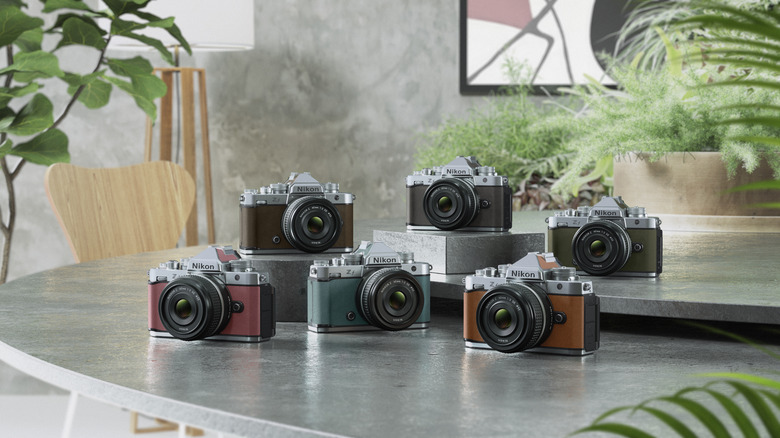
In photography, we often say that the best camera is the one you have with you. While that expression rings even more true with the impressive level of smartphone cameras these days, there's still an argument to be made for buying a digital camera that can deliver better photos and offer an engaging and rewarding hobby at the same time. A digital camera can mean anything from the compact point-and-shoot cameras with fixed lenses to the high-end mirrorless cameras with interchangeable lenses. This wide range of options means pro and cons at different price points, but each tier still offers more capabilities compared to your smartphone's camera.
For most people, a quick snapshot on your smartphone camera gets the job done. However, if you're someone looking for something that offers more control, more depth or more intention, a digital camera is the way to go. Of course, one of the biggest barriers to entry with digital cameras is the price, but there are plenty of budget options, like Canon's EOS R100 that goes for around $500, that are priced similarly to a smartphone but will deliver much better photos thanks to a larger sensor. If you're not limited to a spending limit, there's no shortage of choice with digital cameras that can help you create the exact image you want.
Why digital cameras are worth it
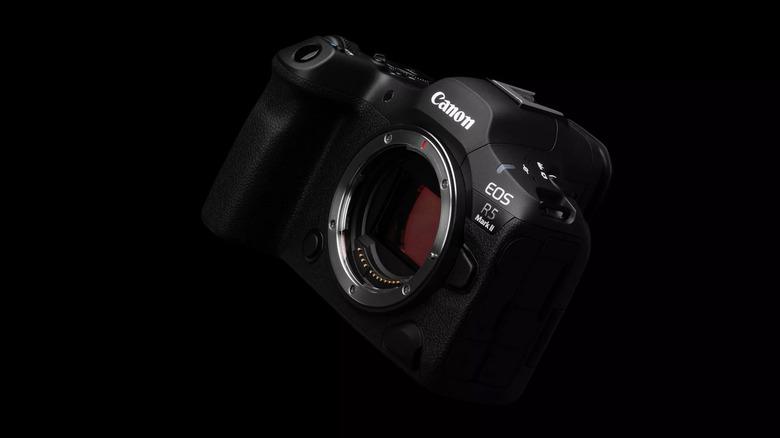
To help decide if buying a digital camera is worth it, ask yourself if you have a specific need for it. A smartphone can handle most situations as a jack of all trades, but the extensive catalog of digital camera options can provide a better choice for certain scenarios. If you want high-resolution photos that can handle low-light or ultra-bright scenes, most modern mirrorless cameras, like Sony's A7R VI, will capture all that detail whether you're shooting a high-paced event or sweeping landscapes. If you want something more compact with a fixed lens, Sony's RX10 V can squeeze everyone into a group shot or capture far away wildlife thanks to its 24-600mm optical zoom lens. There are even action cameras, like GoPro's Mission 1 Pro, meant to keep up with those doing extreme sports, or cameras that have articulating displays and auto-framing features, like Sony's ZV-E1, to make vlogging easier.
One of the major advantages of a digital camera when compared to smartphones is sensor size. With a much larger sensor, you're able to capture photos with far more detail, which affords more leeway for a tighter crop. Along those same lines, digital cameras offer more control when it comes to getting a specific look for your photo. Smartphones tend to do a lot of heavy lifting when it comes to editing a photo to look decent, but digital cameras give you the freedom to edit a photo however you want.
It's worth noting that some modern smartphones have more advanced features like adjusting aperture through the iPhone's Portrait Mode and there are even apps like Halide that offer more control. However, a digital camera offers many more options to control the look you want, like keeping things intentionally dark to make the most of negative space or introducing motion blur with tracking shots. Of course, that all means you get what you put in when it comes to using digital cameras.
Some downsides to consider
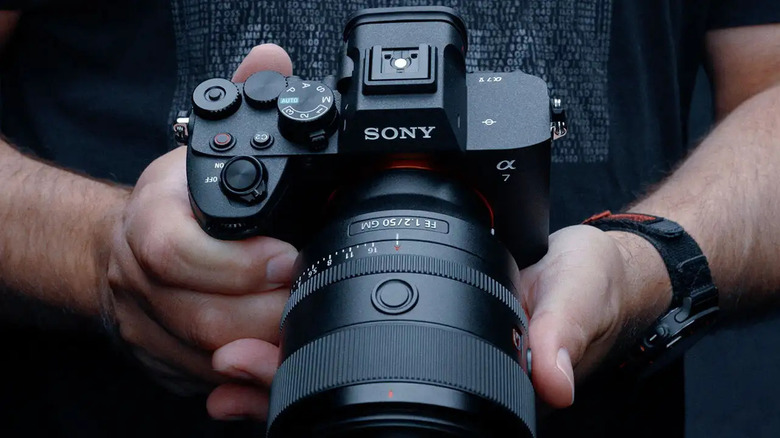
Despite the obvious benefits of buying a digital camera, there are still some notable downsides to be aware of. As mentioned before, one of the most prevalent reasons against digital cameras is the steep price of entry. At the top end, photographers can easily spend around $5,000 on a top-of-the-line mirrorless camera that will provide more capabilities, like an intelligent autofocus, fast burst speed or high dynamic range. That's not even considering the many choices of lenses that can cost even more than the digital camera itself. And even a fixed lens option like Canon's PowerShot or Sony's RX100 series will set you back hundreds.
Unlike smartphone cameras that take care of most of the editing, the process with digital cameras can be very involved. After capturing the shot, you still have to offload the file from the memory card and into a computer, then tweak the many sliders found in editing software. Don't forget, carrying a digital camera can be quite a burden, especially when compared to the smartphone that constantly lives in your pocket. That being said, for those willing to dedicate themselves to the fulfilling hobby that is photography, a digital camera is the first step towards that.
Originally published on Engadget