Does turning off Bluetooth actually make Wi-Fi better?
Does turning off Bluetooth actually make Wi-Fi better?
Does turning off Bluetooth actually make Wi-Fi better?
There are usually other things worth trying first.

Homes and workplaces are packed with all sorts of wireless devices accumulated over the years. From your Bluetooth gaming headset to an AI-enabled smart speaker, each device competes for frequency bands that get more crowded with time. This network congestion can lead to dropped connections and sluggish performance.
Investing in a new router or mesh network can seem like a quick solution, but there are alternative methods you can try before purchasing electronics made pricier by the AI boom spiking hardware costs. One culprit of congestion that's often singled out is Bluetooth.
Bluetooth devices are often blamed for this interference, but are they really the problem? And is it severe enough to warrant turning them off to speed up local Wi-Fi? In most cases, your Wi-Fi network isn't really interacting with Bluetooth devices anymore. Here's what you need to know about when these connections overlap and how you can keep them apart.
Does Bluetooth make your Wi-Fi slower?
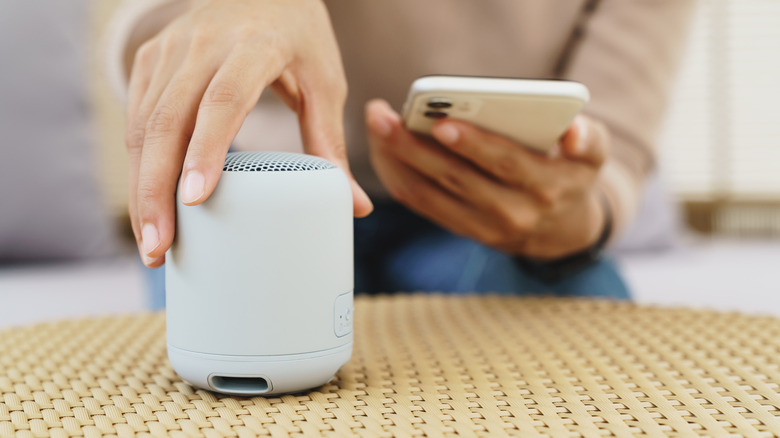
Bluetooth can interfere with your Wi-Fi network, but only on the 2.4 GHz band. Bluetooth connections between devices operate at this frequency, which is the default option of smart home protocols like Zigbee and Thread. Microwaves also operate on the same band. When a smart thermostat, fridge and home security system compete for real estate, interference from Bluetooth devices can stress your Wi-Fi connection further. The resulting latency and packet loss can impair sensitive tasks like gaming sessions or video calling.
The 2.4 GHz frequency band is optimal for these gadgets since it penetrates thick walls better and functions better at longer distances, albeit at slower speeds. Newer devices adopt Wi-Fi coexistence logic to ensure devices operate simultaneously without slowing each other down.
Most smartphones, laptops, TVs and other modern client devices operate on the 5 GHz or 6 GHz bands provided by dual-band or tri-band router setups. The only reason they'd connect to a slower band is if they're impeded from connecting to those faster bands by physical barriers like walls.
What blocks the Wi-Fi signal the most?
If your 4K gaming or Netflix streaming sessions feel more jittery than usual, there are other things you can do instead of powering down Bluetooth devices.
Within a frequency band, most routers pick Wi-Fi channels automatically. MakeUseOf found that a Wi-Fi analyzer app like Network Scanner will let you find the optimal channels within the 2.4 GHz band for a reliable connection. For instance, channels 1, 6, and 11 offer the least interference on this frequency band. Using shielded cables near your router and primary workstation is another option that lowers electromagnetic interference. Spread your devices further apart to free up bandwidth for the ones closest to your router.
The severity of the congestion also depends on your environment. Your neighbor's devices can impact your network in a dense apartment complex or office space. Concrete walls can create dead zones that reduce signal strength, which can be remedied with Wi-Fi extenders or a mesh network. These solutions are more likely to resolve network congestion. In most cases, Bluetooth devices no longer pose a risk to your home Wi-Fi.
Originally published on Engadget