The iPad Pro with M6 is expected in early 2027 and Apple may release upgraded Apple Pencil models with easier-to-replace batteries in time for new EU regulations.
The European Union mandated in 2023 that consumer electronics must have easily replaced batteries by 2027. One of Apple's notoriously impossible-to-repair products is the Apple Pencil, which could see some design changes to meet this mandate.
According to the "Power On" newsletter from Bloomberg, Apple is expected to release an updated Apple Pencil Pro and Apple Pencil with USB-C in early 2027. That timing aligns with previous reports of an iPad Pro refresh during the same release window.
No details about the new Apple Pencil models were provided. There isn't any information about what new features might be introduced or how the design might change to accommodate easily-replaced batteries either.
Due to the regulatory requirements, the entire upgrade could simply be focused around the battery change. Currently, the Apple Pencil is a hunk of plastic filled with glue and is virtually impossible to repair.
Rethinking Apple Pencil design
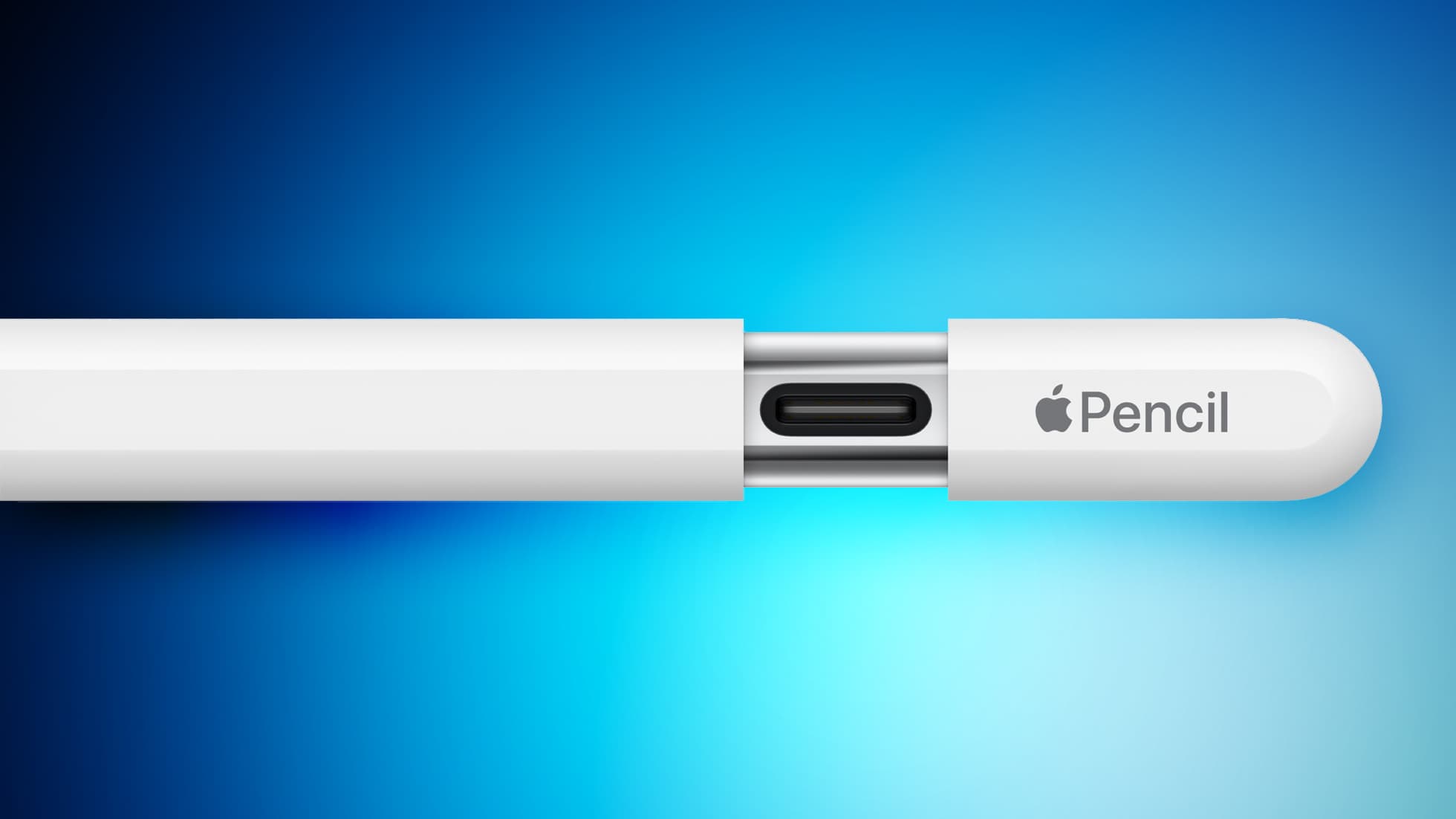
Apple's focus on selling what is essentially a plastic unibody stylus means it had no seams, screws, or separation points anywhere. Adding the USB-C port in the Apple Pencil with USB-C that hides behind a sliding mechanism was quite the design change on its own.
Because of the sliding mechanism, the lower-priced Apple Pencil with USB-C may be the easier product to redesign with replaceable batteries in mind. It isn't clear how Apple might adapt the solid Apple Pencil Pro for the regulation.
To offer a guess, since the Apple Pencil tip is replaceable and offers the single seam in the device, it could also act as an entryway for internal access. Of course, the use of glue would need to be reduced or thrown out entirely.
Outside the iPhone, which has already been designed to accommodate the rules, EU battery regulations will require dramatic changes to some of Apple's product designs, or necessitate quite clever solutions. It remains to be seen how something like AirPods might meet the regulatory standard.