Global smartphone sales fall by six percent amid memory cost crisis
Despite the slump, Apple and Samsung have both seen their market share go up.
Global smartphone sales fall by six percent amid memory cost crisis
Despite the slump, Apple and Samsung have both seen their market share go up.
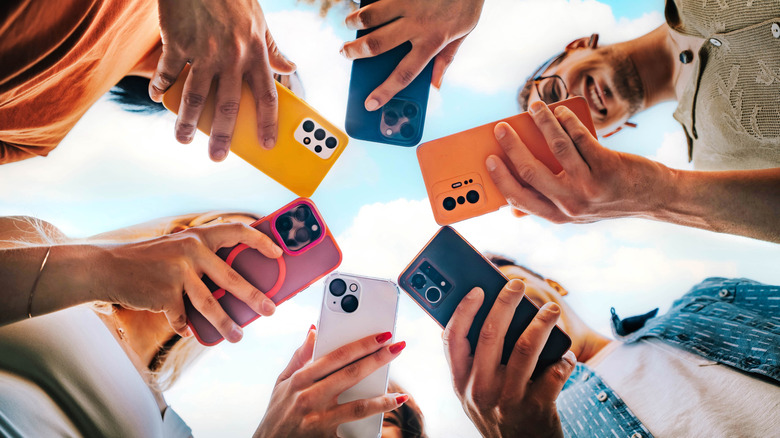
A new report from the technology analyst group Omdia claims that global smartphone sales are down six percent year on year, falling to 272 million units in 2Q26. An already stagnating market is now facing up to the reality of the ongoing memory crisis and rising component costs, with supply chain disruption set to continue for at least the remainder of 2026 (and likely a lot longer).
Six percent doesn't sound like the most dramatic figure on paper, but Omdia's research shows worldwide smartphone shipments have been in steady decline since the end of 2025. Hit hardest are the traditionally cheaper brands, such as Xiaomi and Oppo, whose shipments are down 26 percent and 17 percent respectively compared to last year. Enforced price increases in certain markets and a downsized portfolio have contributed to the losses. Low-end smartphone prices are projected to get the most serious price hikes in the coming months.
At the other end of the market, Samsung's 60.5 million units sold is a slight YoY increase that sees its overall market share grow to 22 percent. This is despite the company's mobile division posting its first ever loss in the second fiscal quarter, which is attributed to operating profit taking a hit due to rising costs. Of course, given that Samsung also manufactures the memory and storage components that AI companies are so ravenously buying up, its sales have increased dramatically in that sector, resulting in an all-time high for quarterly revenue in 2Q26.
Apple has also recorded its strongest-ever second quarter, shipping 55.1 million units (up 23 percent YoY) and growing its own market share to 20 percent. The iPhone 17 has been a particularly strong seller for Apple in 2026, with the company so far able to avoid hiking up the price of its phones alongside most of its other product categories. Apple is expected to split its iPhone 18 launches into two separate windows, with the (likely more expensive) Pro and Ultra models arriving in their traditional Fall spot, before the standard iPhone 18, 18e and iPhone Air 2 launch in Spring 2027.
Apple also unveiled a revamped upgrade program this week, as Omdia predicts that smartphone manufacturers that "combine pricing power, supply chain resilience and innovative commercial strategies" will enjoy the most success in the remaining two quarters of 2026.
Originally published on Engadget