How Much Solar Power Do You Actually Need For An RV?
The power of the sun can keep your RV running, but before you get too comfortable with solar panels, you need to calculate how much power they need to generate.
How Much Solar Power Do You Actually Need For An RV?
Yes, you'll need to do math, but it's worth it to avoid being left powerless.
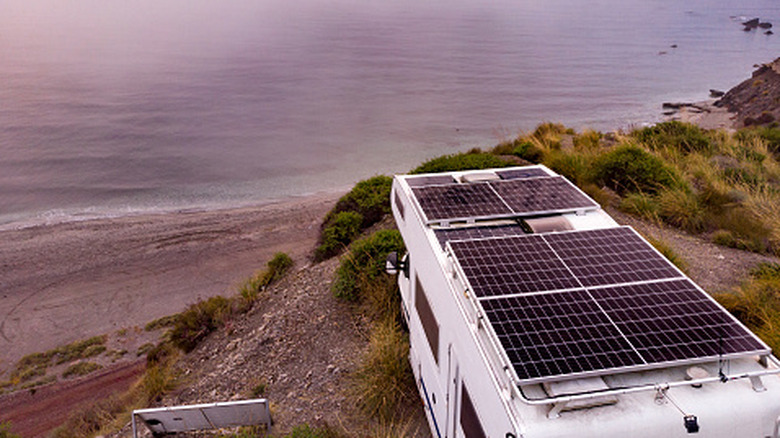
As climate change continues to worsen, renewable energy is becoming more and more important in daily life, particularly with new consumer markets opening up (such as plug-in solar in the UK). One of the more well-trodden areas of consumer renewables comes from solar power in RVs, where rigs can bring off-grid power without the noise of a typical generator. However, there are more than a few steps and stipulations to keep in mind when going all-in with solar panels — chief among them being the amount of solar power needed to get an RV's systems working.
It is possible to fully power your RV using solar energy, though you'll need a few odds and ends to store that energy when the sun's gone. It's more common among RV users to combine solar energy with non-solar generator power, but fully solar is possible with a battery bank, inverter, and charge controller. These pieces of tech allow you to store solar power, convert that power from DC to AC to charge your RV system, and to channel that power from panels to the battery bank, respectively.
What to look out for when using solar panels
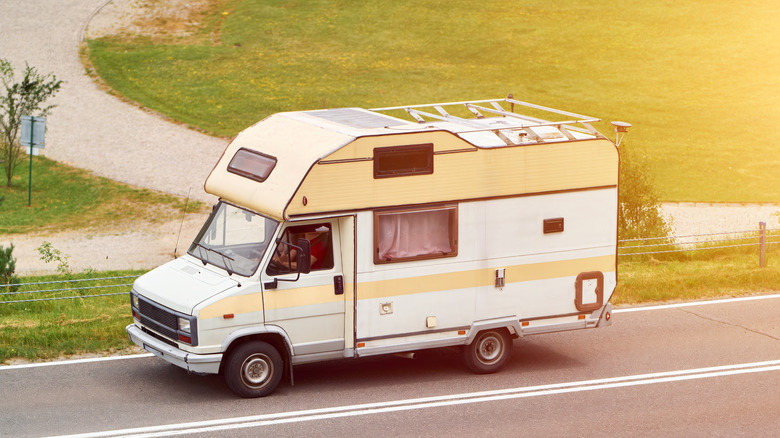
The specs for those devices will largely depend on how many solar panels you need for your rig (for example, an ideal inverter size is equal to about 1.25x the amount of watts you'll need at any given time). A 100W solar panel, when accounting for changes in weather and sun exposure, will receive about 350W of power per day. You'll want to check how much power your devices are using throughout the day, and add that all together. The easiest way to do this is to check the label for each device. If it lists volts and amps only, multiply those together to get the watts.
Not only do you need to look at what gadgets you keep in your RV (such as a charging unit, portable heater, any cooking tech, GPS, etc.) but you also need to consider the panels themselves. No panel will generate the maximum amount of power advertised, especially during periods of low sun exposure or when travelling through forested areas. Ideal solar panel temperature is also something that needs attention, as cooler temperatures will deliver more efficient results — so bright, cold days are ideal for efficiency.
The 20 percent rule
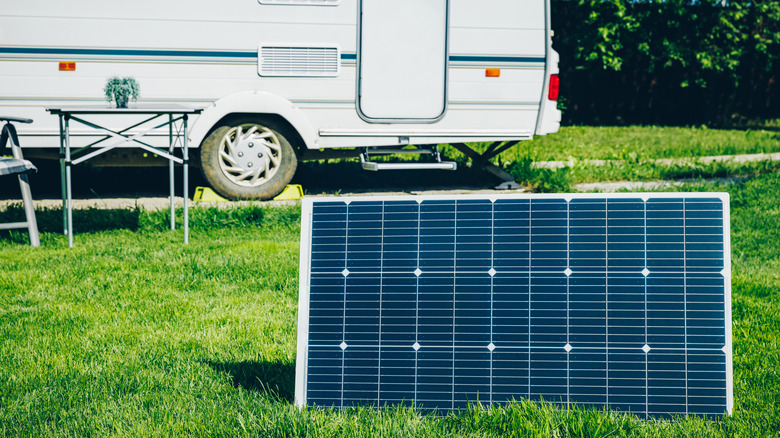
A 400W panel will suit many of these purposes well, and will also suit the 20 percent rule most solar panel users abide by. This rule is simply the idea that a solar setup should produce 20 percent more energy than your setup needs, to tide you over for the times when sunlight is scarce. You need to make sure you're prepared for when your solar panel is operating below maximum output, as this will be the case the majority of the time.
Ultimately, you'll need to make sure you have the right numbers down before committing. Tally up how many watts each of your devices uses per hour, and then figure out how much you're using those devices per day (so if you use something that uses 1500 watts per hour, but only use it for ten minutes in a day, that's only about 250 watts). Once you have your total, you'll want a solar setup that can output that amount per day, plus 20 percent more.
Originally published on Engadget