How to get the best battery life from your retro handheld game console
There's a smarter way to power vintage portable gaming devices. Give these tips a try.
How to get the best battery life from your retro handheld game console
If your vintage gaming system eats through batteries in a hurry, this is for you.
Old-school gaming handhelds can be battery hogs. Whether it's the original Game Boy's four AA batteries or the Game Gear's six, they tear through cells at a rate that makes modern consoles feel like luxuries. Here's the easiest way to boost your battery setup on your old Nintendo, Sega or Atari portable.
For this guide, we're focusing on the most popular battery-powered handhelds from the late '80s through the early 2000s. Those would be Nintendo's original Game Boy, Game Boy Color, Game Boy Pocket and Game Boy Advance, plus Sega's Game Gear and the Atari Lynx.
The bottom line? Modern rechargeable batteries smooth much of the friction out of these retro handhelds. They save money, cut environmental waste and let you avoid the headaches that go along with disposable alkalines.
The right rechargeable batteries
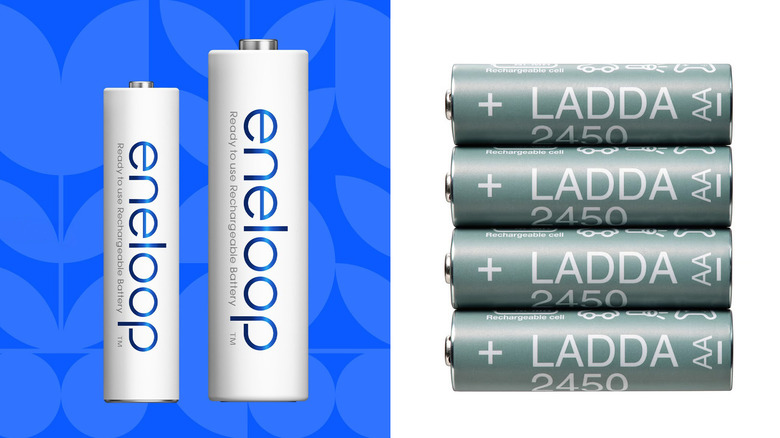
For most people, a set of nickel-metal hydride (NiMH) rechargeable batteries is the way to go. They're reliable, reusable and much cheaper over time than disposable alkalines.
Panasonic Eneloop is an Engadget staff favorite. It's consistent and tends to hold up over time better than cheaper options. If you want to save a few bucks, IKEA LADDA is a good budget alternative. (Some have speculated that they're rebranded Eneloops, but that isn't confirmed.) Both are sold in the AA and AAA sizes you need for these systems.
- Game Boy – 4 × AA
- Game Boy Color – 2 × AA
- Game Boy Pocket – 2 × AAA
- Game Boy Advance – 2 × AA
- Game Gear – 6 × AA
- Atari Lynx – 6 × AA
Just keep in mind that the system's battery indicators don't always behave the same way with rechargeables. If the low-battery warning comes on, you may want to get in the habit of quickly saving your game to be safe.
As for how many batteries you need, a good rule of thumb is to buy two full sets. That way, you always have one in the handheld with another charged and ready to go.
One possible exception is modded retro handhelds, since things like brighter screens can run through batteries faster than the stock hardware. In that case, a third set could be in order. Some power-hungry or voltage-sensitive mods might work better with 1.5V rechargeable lithium batteries, although they tend to cost more than standard NiMH cells.
USB-C battery mods
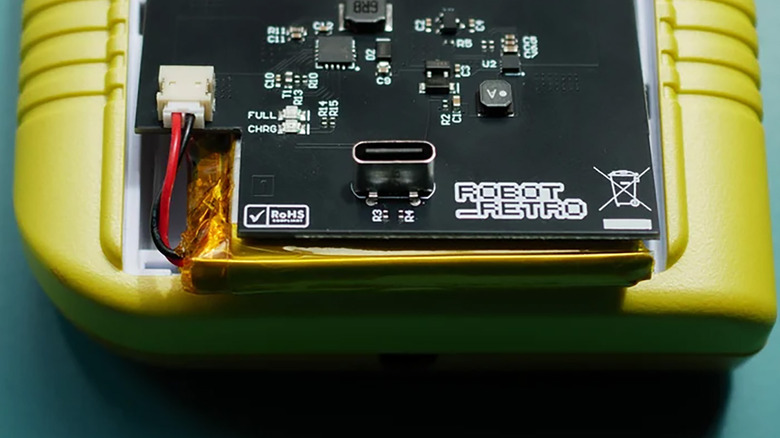
Some models, including the original Game Boy, can be modded with USB-C rechargeable battery pack kits. These make the handheld feel more like a modern system, removing the annoyance of battery swaps. Some work with USB-C power banks, although not all support charge-and-play.
There are a few risks and downsides. For example, some USB-C battery mods don't fully isolate the battery while charging. This can generate extra heat and make it less safe to play while charging. So, it's worth checking user feedback and sticking with well-regarded mods if you go that route.
Originally published on Engadget