How waterproof are AirTags? Here's what to know
AirTags end up attached to all kinds of important items, and sometimes those items get wet. Let's talk through what to expect.
How waterproof are AirTags? Here's what to know
Will yours survive ocean waves or a washing machine?
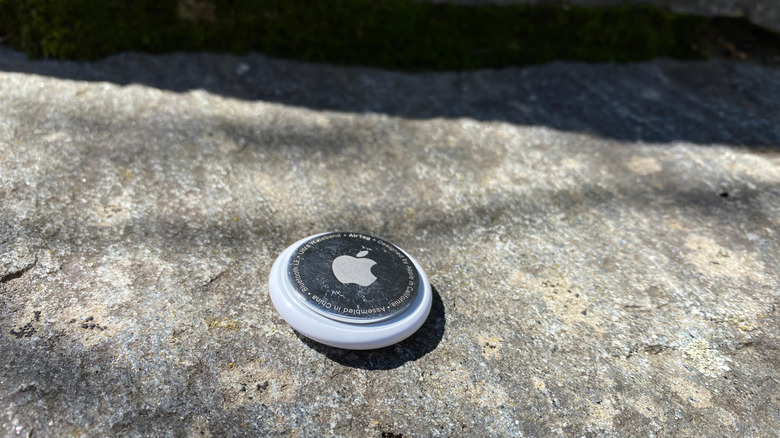
Gadgets becoming water-resistant is one of the most underrated tech upgrades we've seen in the last decade or so. Dropping your phone in the sink would often destroy it if you didn't act quickly, but now you have a safety net for those accidents. Users of AirTags can especially appreciate this; since the little trackers use cases that can attach to almost anything, they have more opportunities to get splashed or stuck out in the rain.
But this isn't something to treat like a magic shield. While Apple states AirTags are protected against water intrusion, this isn't absolute, because not all liquid contact is the same. Before you leave an AirTag outside in a thunderstorm or try tracking it in the deep end of your pool, you should understand the limitations here.
As a bonus, since water resistance is standardized across many electronics, learning more about how it works with AirTags also helps you understand liquid protection for your other devices.
Understanding the water resistance of AirTags
AirTags are not waterproof because no device can be 100 percent protected from water. Some combination of pressure, time, heat and/or chemicals will eventually bypass the sealing measures. Instead, products like AirTags are properly described as water-resistant.
To define the exact circumstances under which a device is guarded from water, companies follow tests set by the International Electrotechnical Commission (IEC). The relevant metric is ingress protection (IP), which contains two digits. The first number measures defense against solid objects, ranging from zero (a complete lack of defense) to six (dust cannot enter). Meanwhile, the second number (ranging from zero to nine) represents the liquid scenarios that have no negative effects on the device.
Each number between the minimum and maximum represents various steps, which are too detailed to list here. Check out the IP ratings guide if you're interested. The value is presented in the format IP68, with an X indicating no test was done. AirTags, including the slightly revamped 2026 AirTag model, have an IP67 rating.
For our purposes, water protection levels seven and eight are the most relevant. An AirTag's IPX7 signifies it isn't harmed when immersed in 1m (3.3 feet) of water for up to 30 minutes. IPX8 is not as well-defined — it only requires that the device be safe when exposed to more harmful conditions than level seven. Manufacturers decide these conditions when giving the IPX8 rating. For example, Apple's water resistance page qualifies the IP68 rating for various devices. For up to 30 minutes, applicable phones can survive at 2m (6.6 feet), 4m (13.1 feet), or 6m (19.7 feet).
Water resistance in real conditions
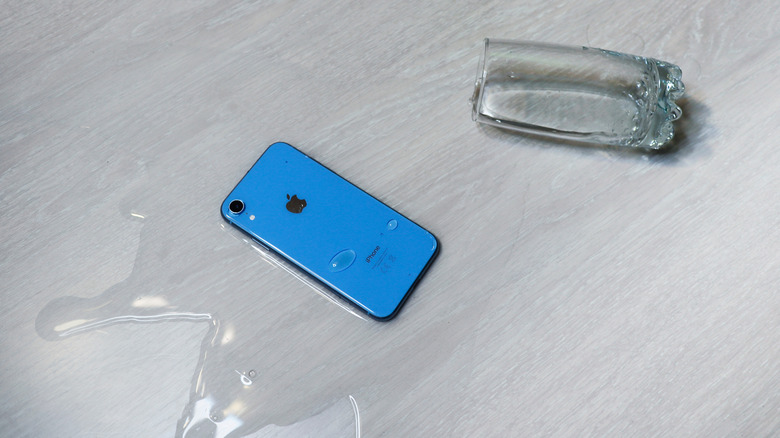
With its IP67 rating, an AirTag can survive contact with water in a lot of situations. It should be fine if it's out in the rain for a while or if you drop your keys in a shallow puddle. Apple's advice for other liquid spills applies here too: If you get juice, tea or soda on an AirTag, you should rinse it with tap water. Never open a wet AirTag, as this can damage the circuitry. If your AirTag gets wet, dry it off with a soft cloth, then you can open it, take the battery out, and let it air dry in case any liquid got inside. If it doesn't work once it's fully dry and you put it back together, try replacing the battery.
Be aware that water resistance is not a static quality. For one, IP rating tests are done in perfect scenarios with still water, which doesn't reflect accidents in reality. Immersing an AirTag into a machine crafted for the evaluation is not the same as accidentally running it through a washing machine, for instance. An AirTag might still work after going through a wash cycle, though factors like hot water and detergent are hard on it.
Similarly, the seals Apple applies to AirTags are not permanent. Over time, these can weaken from natural wear and tear, even if you take good care of the tracker. An AirTag you've had for three years won't resist liquids as well as one you just took out of the box.
It's wise to view the resistance rating as a backup if something happens, not as something you should actively put to the test. Don't hook an AirTag on something you plan to take underwater, and keep them away from fast-moving water like ocean waves or river rapids. Avoid steam from showers or saunas, as heat, water vapor and condensation are not good for electronics.
Warranty concerns and other cases
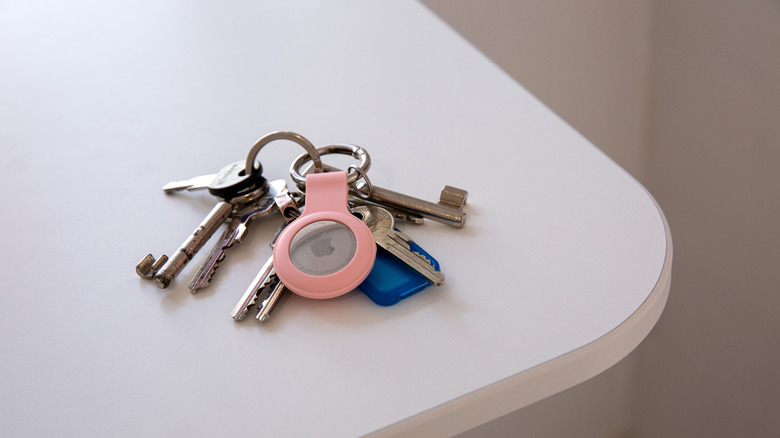
If your AirTag is destroyed by water, you'll find that Apple's warranty unfortunately does not cover liquid damage. The company's optional AppleCare+ covers accidental damage, but it's not available for AirTags (even the expanded AppleCare One plan). Thankfully, at $30 each or $100 for a four-pack, AirTags aren't super expensive to replace.
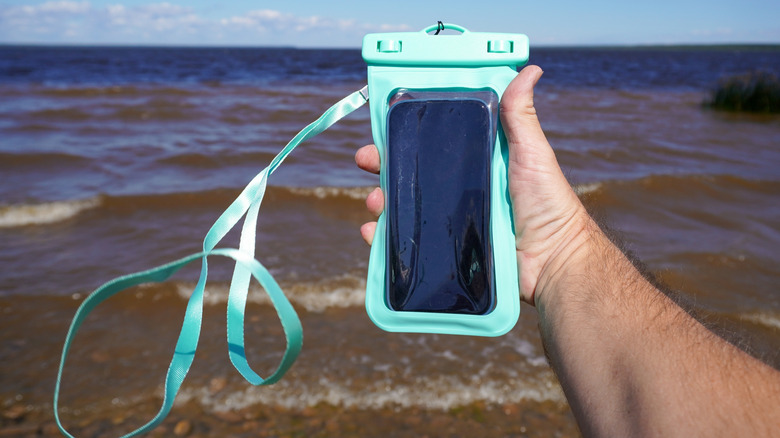
To beef up your AirTags' liquid defenses, you can put them in "waterproof" cases. Some of these claim IPX8 protection up to 10 feet, giving more leeway than the base rating of the device. All the same considerations apply — you shouldn't go diving with these, but they add another layer of protection if you really need to use your AirTags around water. We've rounded up the best AirTag accessories if you'd like another option.
It's best to keep your AirTags away from pools, the ocean and other large bodies of water. Rely on their water resistance only in case of mishaps.
Originally published on Engadget