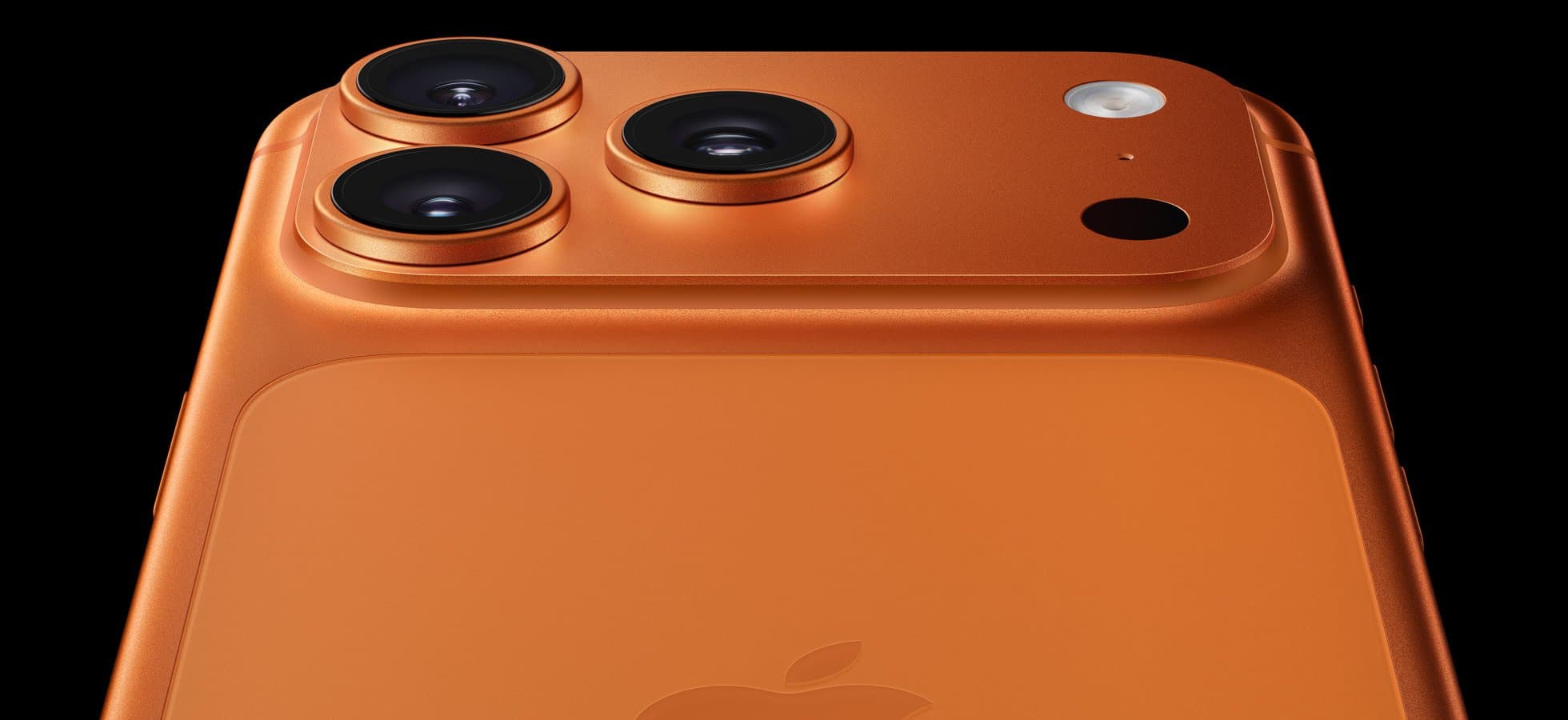
An iPhone 17 Pro Max will represent American innovation in the nation's official time capsule, joining a collection that reflects how the United States chose to remember itself in 2026.
America250 has sealed the nation's official time capsule with an iPhone 17 Pro Max inside. The capsule preserves a snapshot of the United States that won't be reopened until 2276.
The collection will be buried on July 4 at Independence National Historical Park in Philadelphia as part of the country's 250th anniversary celebration. Organizers chose the iPhone to represent American innovation during the semiquincentennial.
America250 says the iPhone 17 Pro Max represents advances in handheld computing, photography, and connectivity. Few consumer products have changed how people communicate, work, and create as profoundly as Apple's smartphone.
We just hope the battery has been taken out.
History shares space with brands
Alongside the iPhone, America250 included contributions from all 50 states, Washington, D.C., the five U.S. territories, Congress, the Supreme Court, and the White House. The collection also includes student essays, historical records, a commemorative Coca-Cola bottle, and memorabilia from the NFL, NBA, MLB, NHL, and PGA.
America250 says the collection represents the United States in its 250th year. The selection also raises questions about what should represent the country for the next 250 years.
Scientific breakthroughs, medical advances, and engineering achievements could have played a larger role in telling that story. Many of the collection's most prominent artifacts instead come from consumer brands and professional sports.
The Library of Congress contributed one of the capsule's most technologically ambitious artifacts. The agency encoded digital copies of historic documents, including Thomas Jefferson's draft of the Declaration of Independence, into a synthetic DNA storage device.
Library of Congress experts selected the technology because it's designed to preserve information for centuries.
The iPhone belongs in any collection documenting the early 21st century. People in the future will get a tangible glimpse of the United States as it was 250 years ago.