After a closer look at some new data, Apple's iPhone 18 Pro modem situation may not be cut-and-dried. Here's what the latest leaks say is in store for cellular connectivity, the A20 chip, and possible camera improvements.
On June 25, AppleInsider exclusively revealed that iPhone 18 Pro schematics and documents were among the more than 630GB of files taken from Tata in a cyberattack.
An initial analysis of the leaked documentation uncovered Apple's plans to use its proprietary C2 modem in the iPhone 18 Pro and iPhone 18 Pro Max. Additional details have since come to light, thanks to new research conducted by us and an analyst we've worked with in the past.
Qualcomm chip in the U.S. and Apple C2 elsewhere
Our findings suggest Apple may implement a region-based modem approach and a split release, with some iPhone 18 Pro models using the C2 chip and others a Qualcomm modem.
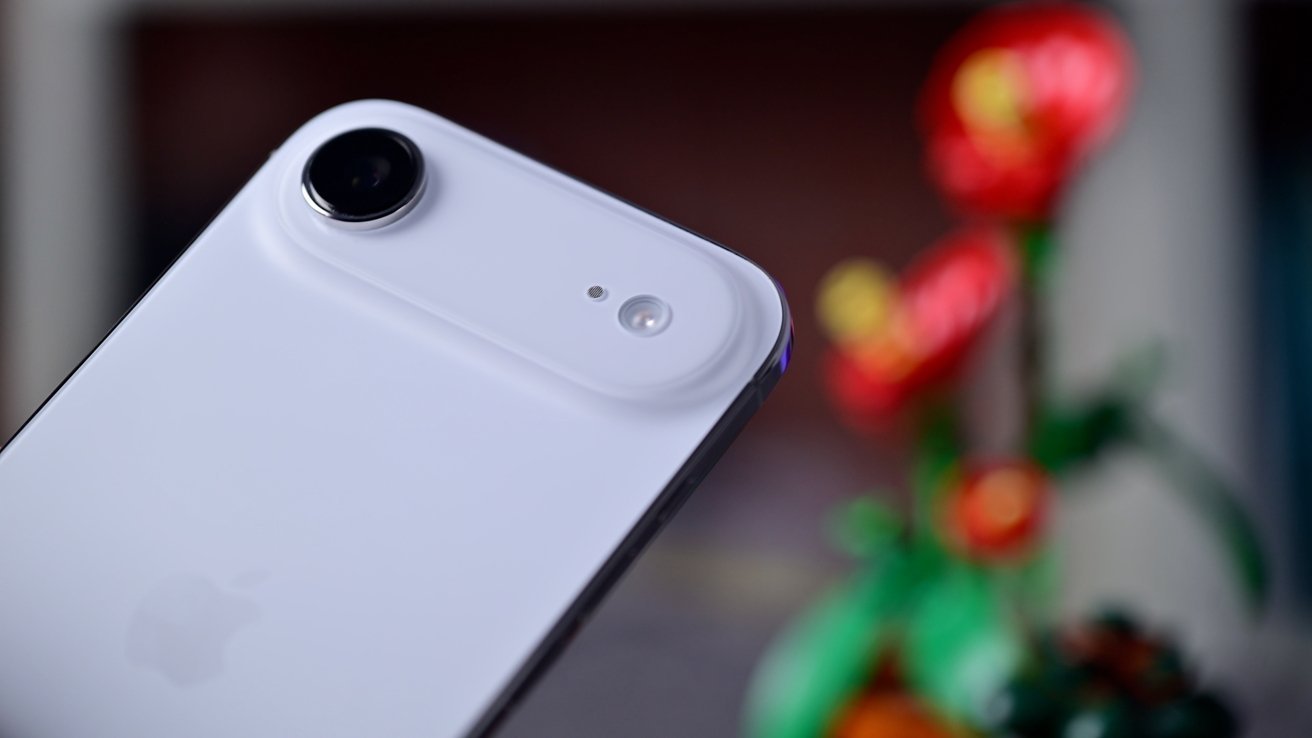
While all models of the iPhone Air use an Apple-designed mode, that may not be the case with the iPhone 18 Pro.
For the U.S. variant of the iPhone 18 Pro, which will feature mmWave compatibility, Apple seemingly plans to use Qualcomm modem hardware.
Multiple Qualcomm components, including the SDX80M, SDR875, QDM8771, QDM8720, PMK75, PMX75, and QET7100A, are referenced in a bill of materials related to the iPhone 18 Pro model Apple plans to sell in the United States.
As for the iPhone 18 models which will be sold elsewhere, Tata documentation suggests these configurations will use Apple's proprietary C2 modem. While this approach may sound unusual, there is at least one possible explanation.
Apple's current in-house modems, the C1 and the C1X, do not support 5G mmWave, and it looks as though the C2 will continue this trend. Until Apple develops a modem compatible with mmWave, it looks as though the company will offer mmWave support to iPhone 18 Pro users by using Qualcomm hardware.
With the iPhone 17 range, Apple already offers a mixed bag in terms of cellular hardware. The iPhone Air and iPhone 17e use Apple-designed modems, while the iPhone 17, iPhone 17 Pro, and iPhone 17 Pro Max use Qualcomm hardware.
This split-release strategy will likely become more complex, as the iPhone 18 Pro now factors region into the equation. iPhone 18 Pro board schematics reinforce this idea, as two separate part numbers and logic board variants exist.
820-04340-06 corresponds to the iPhone 18 Pro logic board with a mmWave connector and Qualcomm modem hardware. The non-mmWave iPhone 18 Pro logic board, meanwhile, bears the part number 820-04305-06.
With Apple's current iPhone 17 lineup, some cellular features already vary by region.
iPhone models sold in mainland China, for instance, do not use eSIM, instead offering support for two physical SIM cards. That may change in the near future, as Tata's documentation suggests iPhone 18 Pro models sold in China might gain eSIM support.
"No more dual PSIM starting in V64 P2," reads a region-based configuration list for the iPhone 18 Pro Max, up to the Proto2 stage of development. The document outright mentions eSIM and physical SIM support for a configuration labeled CN, more than likely referring to mainland China.
A20 Pro chip may use WMCM packaging
As AppleInsider originally pointed out, among the files leaked from Tata were documents related to the upcoming A20 Pro chip, codenamed Borneo.
Further analysis of the more than 630GB worth of files has revealed new details about the A20 Pro system-on-chip. The documentation appears to suggest Apple will use a WMCM-style package for the A20 Pro chip, with the AP and memory side-by-side, unlike in the standard InFO-PoP packaging.
WMCM is short for Wafer-Level Multi-Chip Module, while InFo-PoP stands for Integrated Fan-Out Package-on-Package. Both are chip packaging processes, but the two are quite different.
With InFo, Apple uses a single die housing the CPU, GPU, and the Neural Engine, and limited memory configurations. Non-CPU components, like the memory, are added to the chip package rather than being an external component.
By using WMCM, meanwhile, Apple could have separate dies for the CPU, the GPU, and the Neural Engine. This means the company might be able to better mix and match the combinations of each, increasing the number of different chip configurations available to consumers.
Rumors of Apple using WMCM date back to at least August 2025. Tata's files appear to corroborate these claims, at least regarding the A20 Pro chip.
Additionally, some of the iPhone 18 Pro board schematics suggest the system-on-chip will move closer to the outer edge of the dual-layer board. The storage of the device will seemingly sit deeper between the two board layers, though.
This design decision could ultimately impact thermal performance and repairability, though the exact impact remains to be seen.
iPhone 18 Pro may get upgraded rear camera
Diagnostic data, which compares the iPhone 17 Pro to the iPhone 18 Pro, reveal that the ID of the Wide sensor has changed from 0x903 to 0x905. This more than likely means the main rear camera of the iPhone 18 Pro is changing.
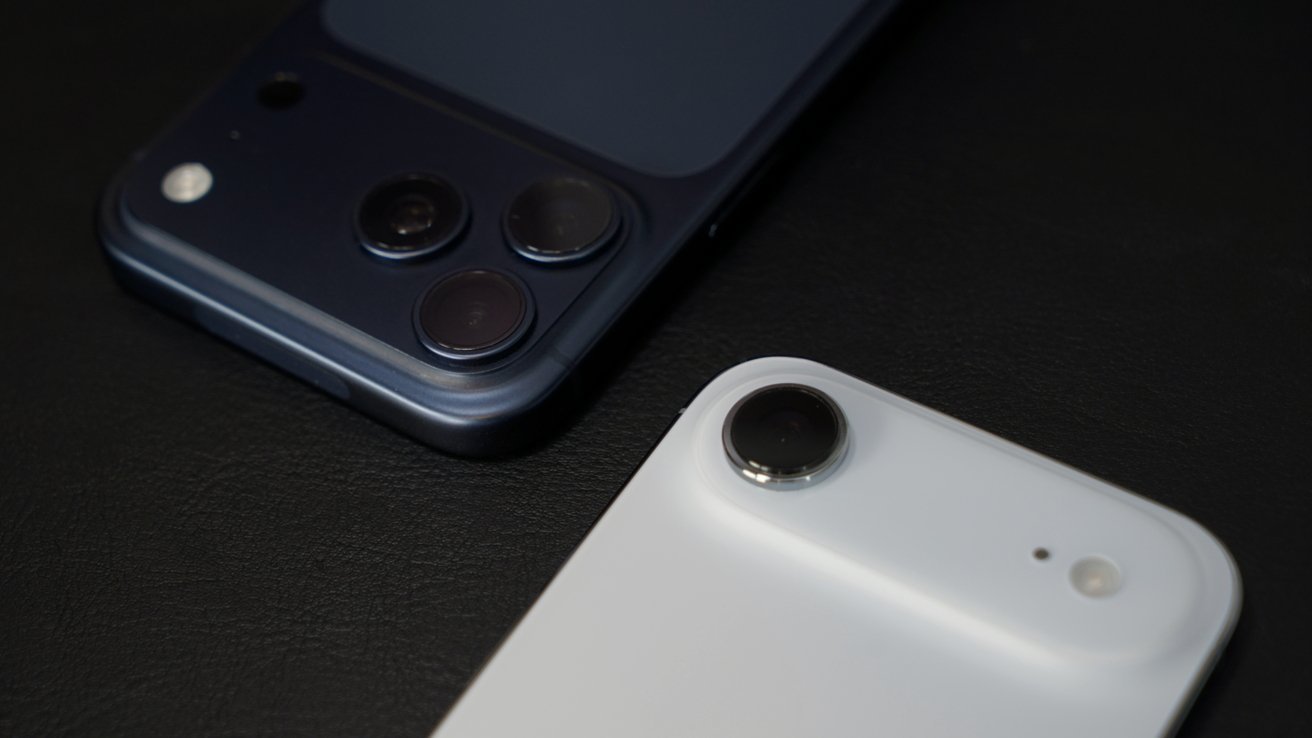
The iPhone 18 Pro might offer an upgraded rear wide camera.
To be more specific, the wide or main camera of the iPhone 17 Pro uses the Sony IMX-903 image sensor. Our findings would thus suggest that the iPhone 18 Pro will use the Sony IMX-905, a new custom-made image sensor.
As for what the upgrade itself might entail, rumors from October 2025, February 2026, and April 2026 claim the iPhone 18 Pro will get a rear camera with a variable aperture. If implemented, a variable aperture would reduce the need for computational photography to accomplish bokeh effects.
Though the documentation taken from Tata reveals a multitude of information about the upcoming iPhone 18 Pro and iPhone 18 Pro Max, the documents themselves detail prototype hardware in various stages of development. It's not yet clear if these are final schematics, or interim ones.