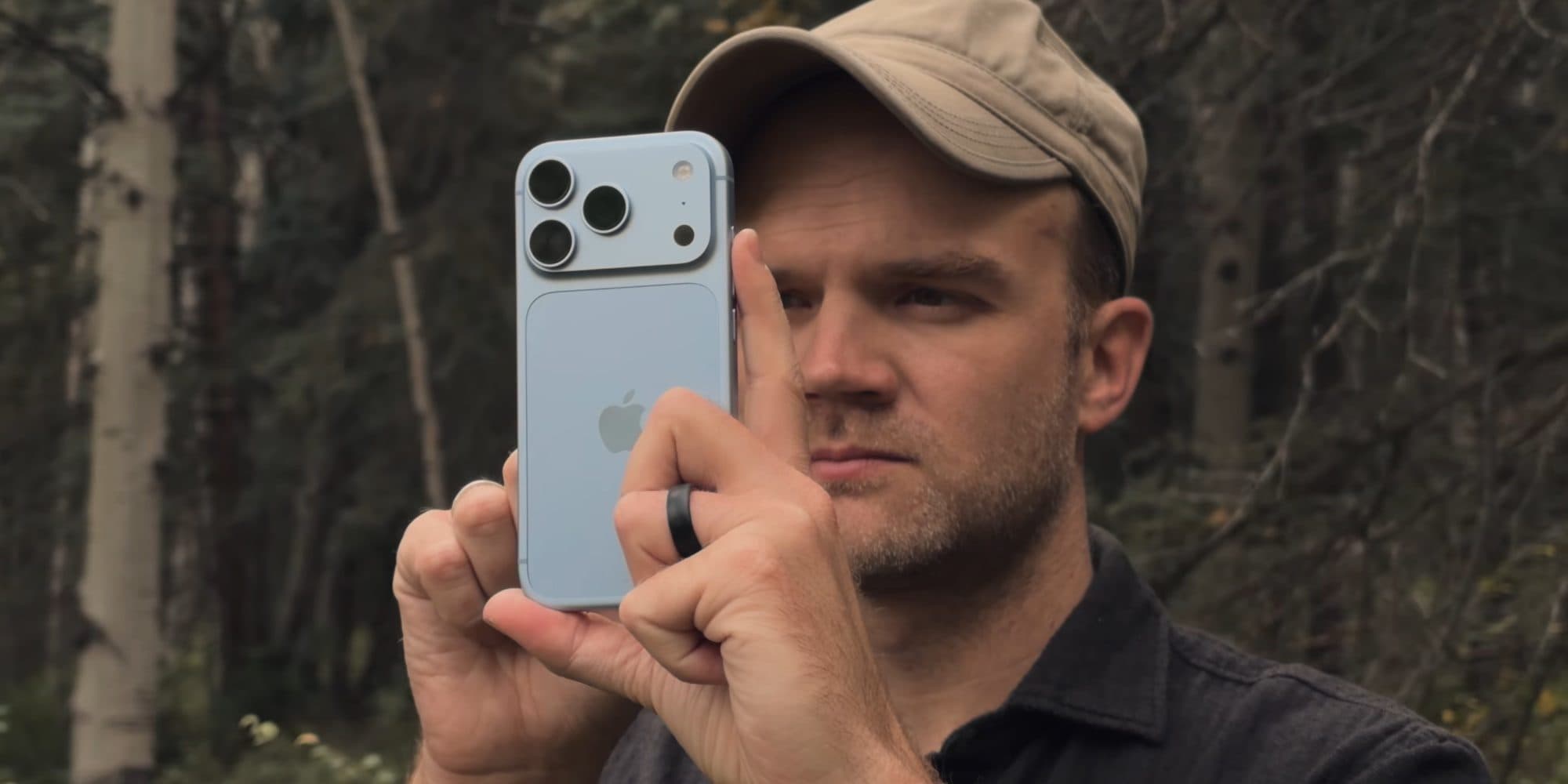
Three years is a long time in the tech world. And forever in the world of smartphones. If you got an iPhone 15 Pro in 2023, the iPhone 18 Pro will look mighty tempting.
Are the improved cameras, longer battery life and faster charging speeds enough to justify upgrading from the iPhone 15 Pro, especially with the higher starting price? Here’s how the two compare.
iPhone 18 Pro vs. iPhone 15 Pro comparison
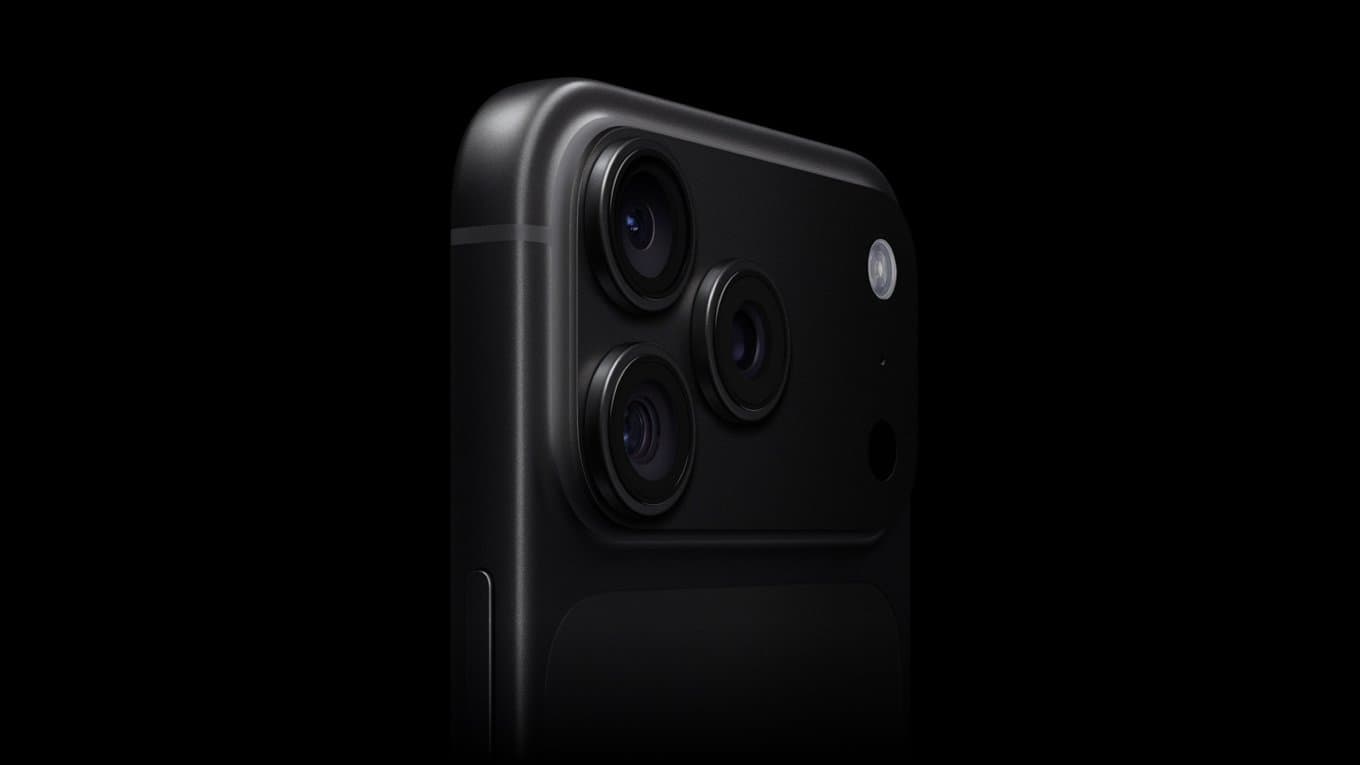
It may not seem like it, but Apple has made several upgrades to the iPhone in the past three years. Visually, there is a revamped rear camera island design and the Camera Control button.
Even beyond the design, the iPhone 18 Pro packs improvements in almost every way over Apple’s 2023 flagship iPhone. So, even if you don’t care about the design or camera upgrades, the iPhone 18 Pro is worth considering for the other improvements it brings to the table.
Table of contents
Design: Bigger and heavier
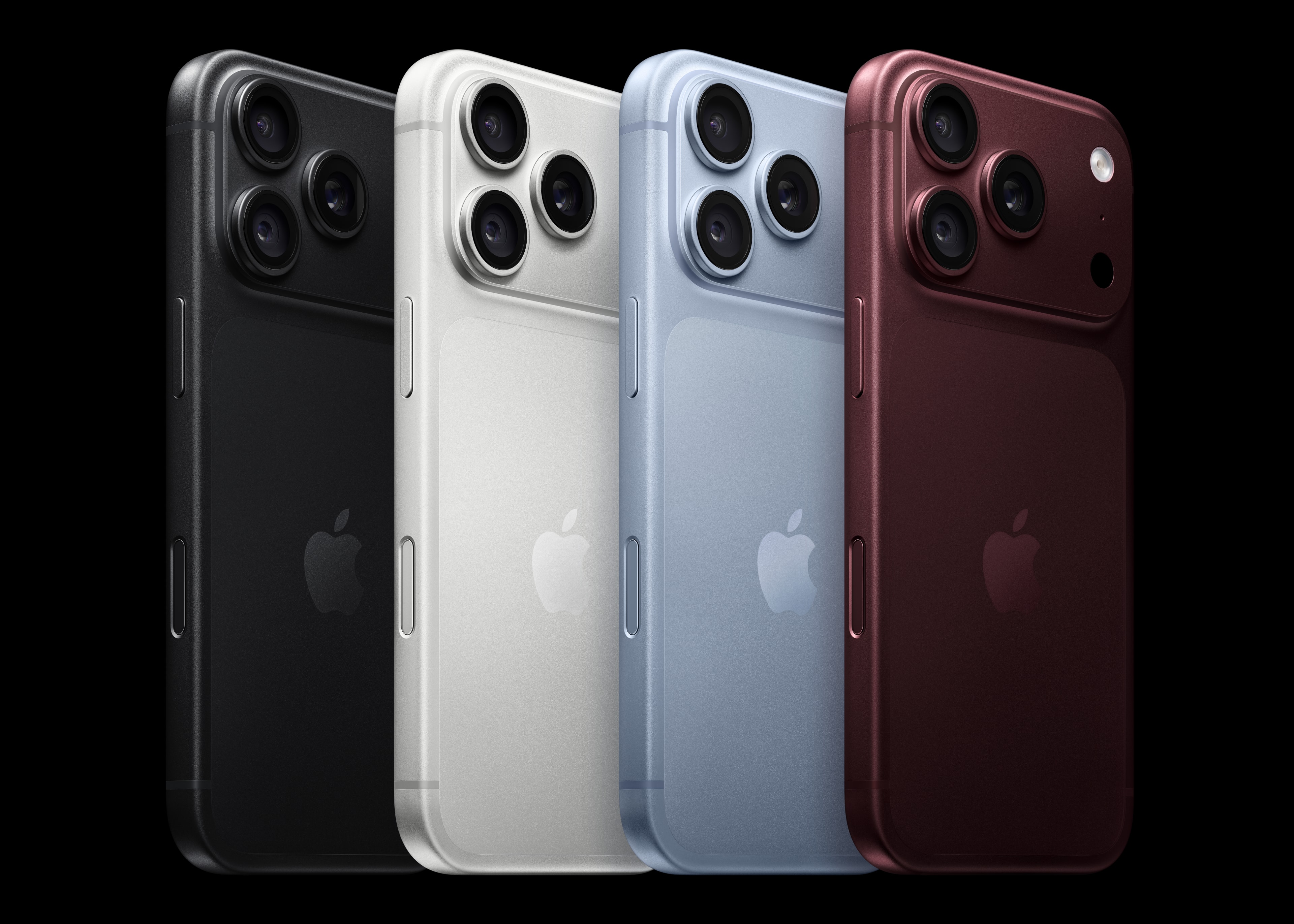
Photo: Apple
- iPhone 18 Pro: Aluminum unibody; Ceramic Shield 2 front and Ceramic Shield back; 211 grams, 150 × 71.9 × 8.75mm
- iPhone 15 Pro: Titanium exterior; Ceramic Shield front and textured matte glass back; 187 grams, 146.6 × 70.6 × 8.25mm
The iPhone 18 Pro is heavier, thicker and taller than the iPhone 15 Pro. And that’s despite Apple moving away from titanium to aluminum for the unibody design.
This is because the iPhone 18 Pro packs a larger 6.3-inch OLED screen vs. a 6.1-inch panel on the iPhone 15 Pro.
With the iPhone 18 Pro Max, the tradeoff is even more pronounced. It weighs 249 grams, up from the iPhone 15 Pro Max’s 221 grams. If you already find your Pro Max too big or heavy, try the newer model before deciding.
Apple’s flagship new iPhones come in black, silver, glacier and burgundy. Apart from the customizable Action button, they also come with Camera Control, giving you another way to launch the camera quickly.
Compared to the iPhone 15 Pro’s muted color options, the iPhone 18 Pro’s glacier and burgundy are more vibrant and eye-catching.
Display: More room and better outdoor visibility
- iPhone 18 Pro: 6.3-inch OLED; Pro Max: 6.9-inch OLED: up to 3,000 nits outdoor peak brightness, 120Hz ProMotion, Always-on Display; anti-reflective coating
- iPhone 15 Pro: 6.1-inch OLED; Pro Max: 6.7-inch OLED; up to 2,000 nits outdoor peak brightness, 120Hz ProMotion, Always-on Display
The iPhone 18 Pro’s bigger body means a bigger screen. The regular Pro comes with a 6.3-inch 120Hz OLED display, while the Pro Max gets an even bigger 6.9-inch panel. That’s 0.2 inches bigger than the displays you get on the iPhone 15 Pro and Pro Max.
The extra screen space gives photos, maps and webpages a little more breathing room. You get to see more information at once.
Besides being bigger and brighter, the iPhone 18 Pro’s display also has another advantage: an anti-reflective coating. Paired with the higher outdoor brightness, it makes the screen easier to see in bright sunlight.
Lastly, the iPhone 18 Pro gets a smaller Dynamic Island. Plus, it can show up to three Live Activities at once.
On paper, the iPhone 18 Pro’s display upgrades may not seem like a big deal. But in daily use, you will appreciate the extra screen space, higher brightness and anti-reflective coating.
Chipset: More power for demanding tasks
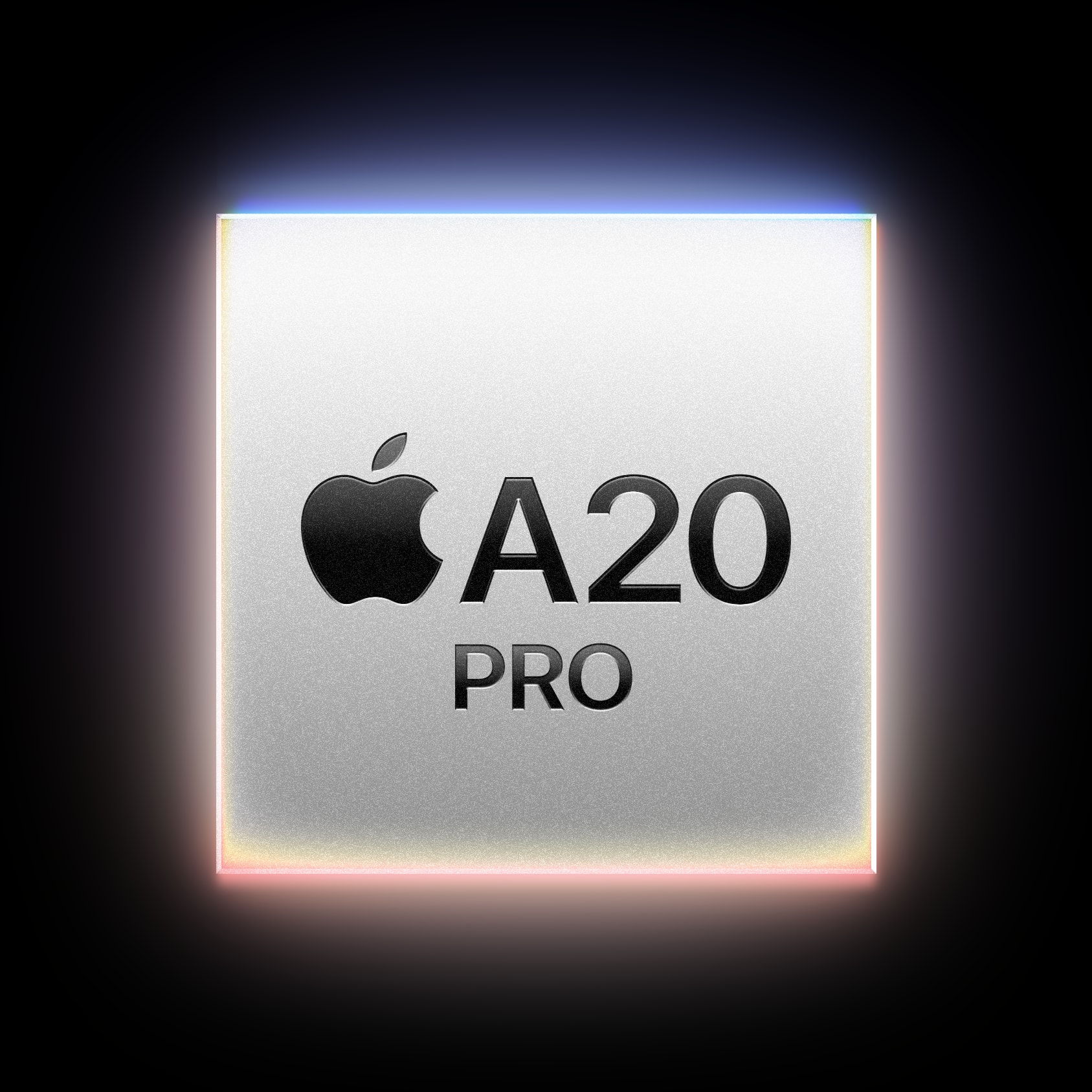
Photo: Apple
- iPhone 18 Pro: A20 Pro; six-core CPU with 2 super cores and 4 efficiency cores, seven-core GPU with Neural Accelerators; hardware-accelerated ray tracing and dual 16-core Neural Engine (32-core total), next-generation vapor chamber
- iPhone 15 Pro: A17 Pro; six-core CPU, six-core GPU and 16-core Neural Engine
Every new Pro iPhone gets Apple’s latest A-series chip delivers unrivaled performance. The iPhone 15 Pro launched with the A17 Pro. Three years later, the chip can still hold its own against the competition and newer iPhones.
If your iPhone was feeling a little sluggish, iOS 27‘s performance improvements should help. But even then, three years is a long time.
The iPhone 18 Pro uses Apple’s latest A20 Pro chip built on TSMC’s 2-nanometer process. More importantly, it uses a packaging technique that enables better heat dissipation.
Apple claims some big performance improvements over the iPhone 15 Pro’s A17 Pro. The A20 Pro’s 6-core CPU features two super cores and four efficiency cores, delivering up to 50% faster CPU performance. It’s also the world’s fastest CPU in a smartphone.
The new 7-core GPU delivers up to 2.1 times the graphics performance, according to Apple.
Memory bandwidth is another area where the iPhone 18 Pro delivers significant improvements. That should help in heavy workloads, especially AI tasks.
AI workloads should also benefit from the dual 16-core Neural Engine, delivering significant performance improvements.
Besides faster performance, the iPhone 18 Pro’s A20 Pro chip delivers better sustained performance.
The new packaging technology enables the SoC to directly connect to the vapor chamber. That enables better heat dissipation and more efficient cooling. Apple claims up to 40% better sustained performance than the iPhone 17 Pro.
Lastly, the iPhone 15 Pro features 8GB of RAM, while the iPhone 18 Pro ships with 12GB of RAM. That’s 50% more memory, which should help in multitasking and AI tasks.
While your iPhone 15 Pro may be working well, the iPhone 18 Pro should bring a major performance jump across the board. Plus, the better cooling system should help in daily use, especially if you live in a hot climate.
Cameras: More flexibility across the board
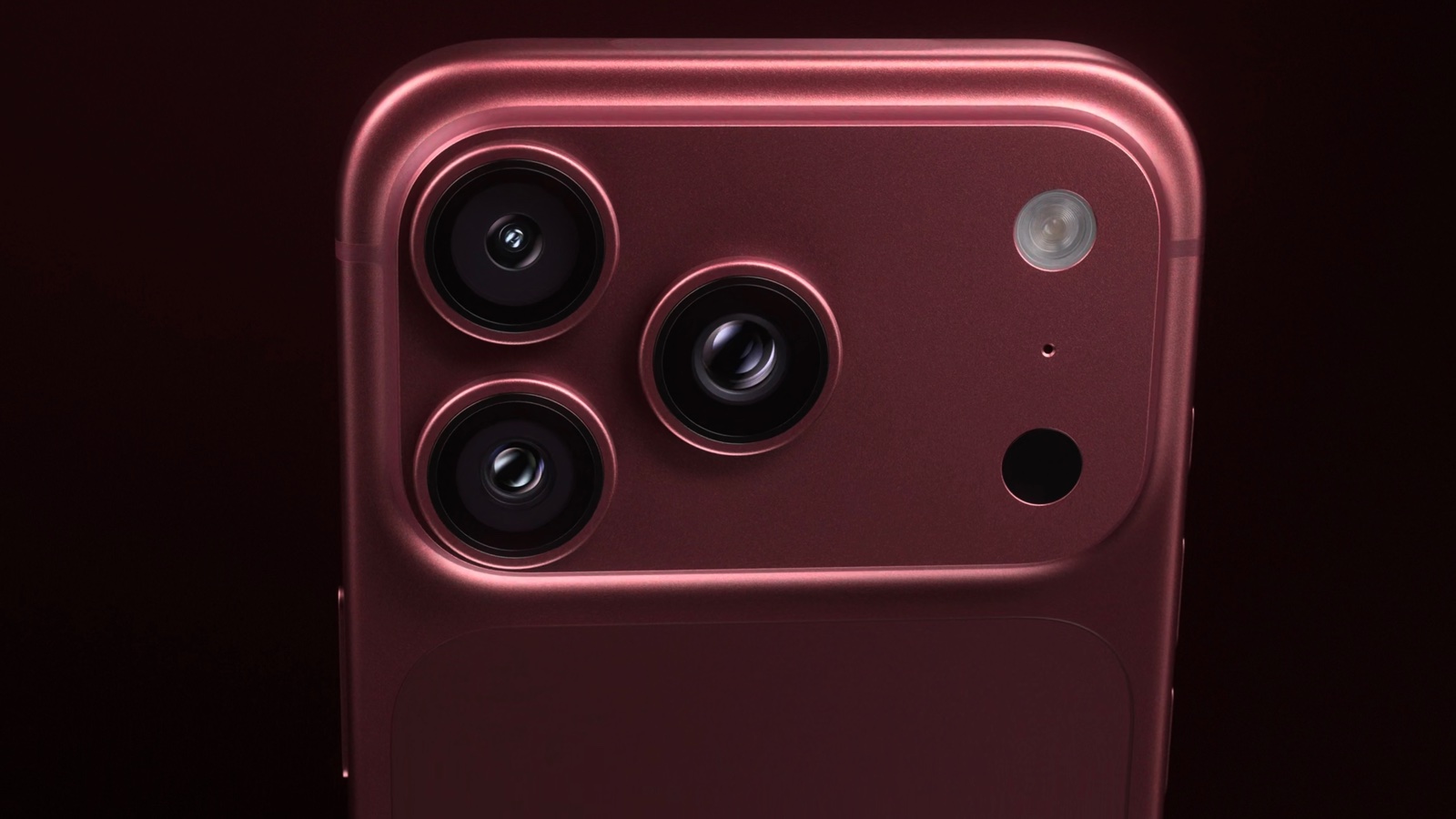
- iPhone 18 Pro: 48MP main camera with variable aperture (f/1.48, f/1.8, f/2.8, and f/4), 48MP f/2.2 ultra ultrawide with macro support, 48MP f/2.8 4x telephoto with larger sensor, 18MP f/1.9 Center Stage front camera
- iPhone 15 Pro: 48MP f/1.78 main camera; 12MP f/2.2 ultrawide with macro support; 12MP f/2.8 telephoto with native 3x zoom (5x on Pro Max); 12MP f/1.9 TrueDepth front camera with autofocus.
Don’t be fooled by the same 48MP resolution for the main camera. The iPhone 18 Pro uses a newer sensor with a wider and variable aperture lens. Add in the processing improvements, and the iPhone 18 Pro’s main camera should deliver better photos than the three-year-old iPhone 15 Pro.
The iPhone 18 Pro’s main camera can drop its aperture down to f/1.48. The iPhone 15 Pro uses a fixed f1/78 aperture. That wider aperture lets in more light and enables a deeper depth of field.
While the iPhone 18 Pro’s camera app handles the aperture adjustment automatically, you can switch to Pro mode for greater control. Besides aperture, you can adjust shutter speed and white balance, with a histogram to help judge exposure.
The other rear cameras have received meaningful upgrades in these three years. The 48MP ultrawide replaces the older 12MP camera, enabling higher-resolution landscape shots and 48MP macro photography.
The telephoto camera’s upgrade goes beyond megapixels. The 48MP sensor features 4x optical zoom, compared with 5x on the iPhone 15 Pro Max. But it’s twice the size of the iPhone 15 Pro Max’s sensor. That means a bigger area for light to hit, enabling better image quality and more details across a wide range of conditions.
Compared with the iPhone 15 Pro, the difference is even more pronounced as the latter uses an even smaller 3x telephoto lens.
Thanks to the bigger sensor, the iPhone 18 Pro can output 12MP “optical-quality” shots at 8x zoom. It’s a more versatile telephoto system.
The front camera gets a substantial upgrade, too, moving from the 15 Pro’s 12MP camera to an 18MP Center Stage camera. Beyond the sensor and resolution upgrade, this new front-facing camera brings a major quality-of-life improvement.
It’s a square sensor, enabling you to switch between portrait and landscape framing while holding the phone upright. This means you won’t have to adjust your grip when taking wide group selfies.
There’s also Center Stage. So, the front camera will automatically keep you in the shot as you move. Or it can adjust the framing to fit more people. The feature extends to video calls, too.
Video recording takes a meaningful step forward, too. The iPhone 18 Pro’s main camera captures 4K Dolby Vision at up to 120 fps, compared with 60 fps on the 15 Pro. Cinematic mode also advances from 4K at 30 fps to 4K at 60 fps.
More importantly, the newer phone lets you apply Cinematic mode effects to regular footage captured with the main camera after recording for more flexibility.
Other upgrades include Audio Mix, support for Apple Log 2 and ProRes RAW. You can even record ProRes video at up to 4K at 120 fps with external storage, versus 4K at 60 fps on the older model.
Software and AI: Your old Pro still gets Siri AI
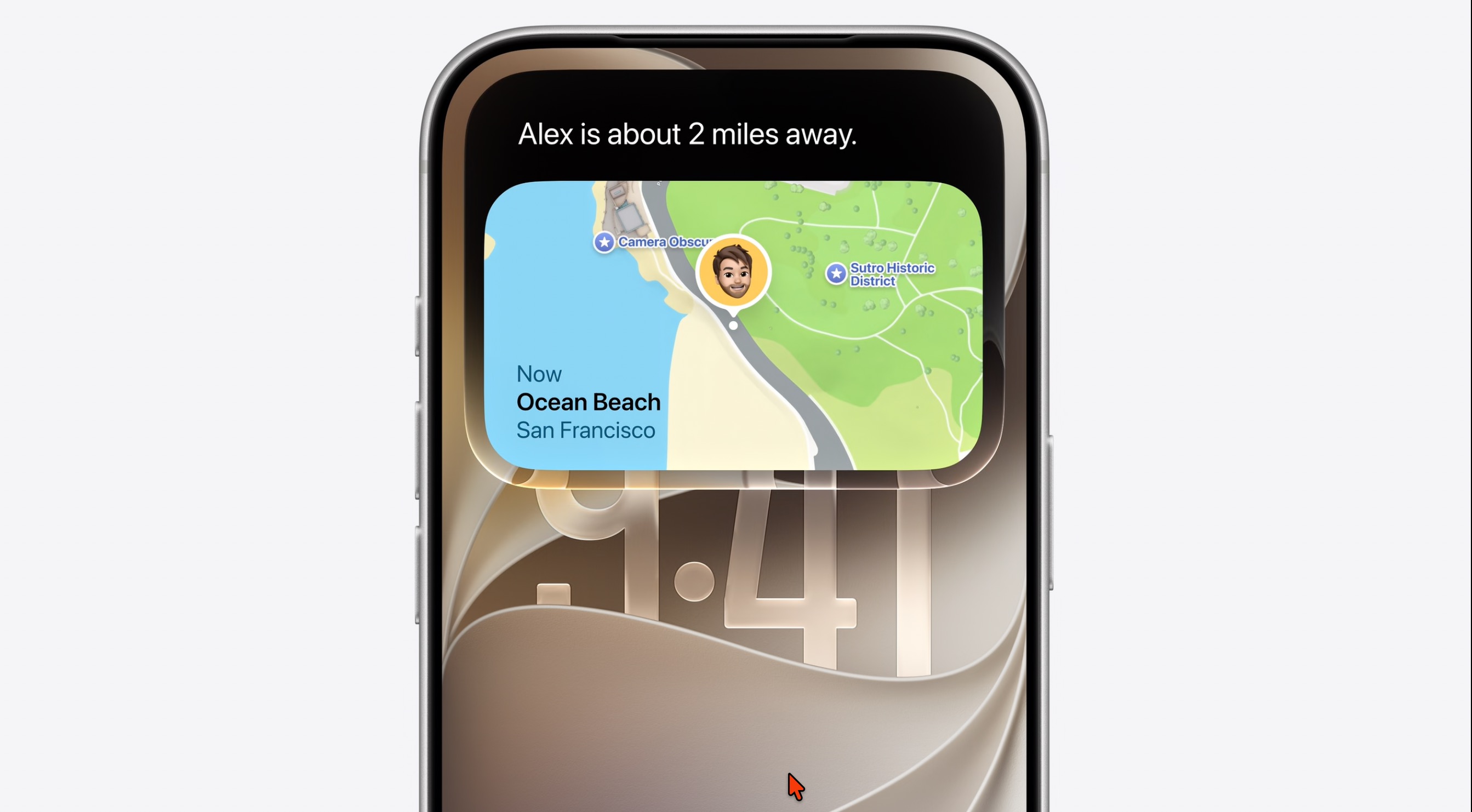
Photo: Apple
- iPhone 18 Pro: iOS 27 and Siri AI; support for Apple’s more advanced on-device AI model
- iPhone 15 Pro: iOS 27 and Siri AI; misses out on some features enabled by the more advanced model
iPhone 15 Pro and iPhone 18 Pro both run iOS 27. The former also gets Apple Intelligence support. But the experience of using iOS 27 is not the same across both phones.
With the iPhone 18 Pro, you get access to Apple’s more advanced on-device AI model. That enables faster and improved on-device voice typing and more expressive Siri voices.
Plus, the faster Neural Engine and additional RAM helps the iPhone 18 Pro to run Siri and other AI tasks notably faster.
Connectivity: New wireless hardware, familiar USB speeds
- iPhone 18 Pro: Apple N1 chip with Wi-Fi 7, Bluetooth 6 and Thread; Apple C2 cellular modem with sub-6GHz and mmWave 5G support in the US.; second-generation Ultra Wideband chip; USB-C with USB 3
- iPhone 15 Pro: Wi-Fi 6E, Bluetooth 5.3 and Thread; sub-6GHz and mmWave 5G support in the U.S.; second-generation Ultra Wideband chip; USB-C with USB 3
While it may not seem immediately obvious, the iPhone 18 Pro packs some major connectivity upgrades. It uses Apple’s in-house N1 chip for Wi-Fi 7, Bluetooth 6 and Thread connectivity.
Besides better performance, Apple says its chip also delivers a more stable and reliable connection.
For mobile connectivity, the iPhone 18 Pro uses Apple’s in-house C2 modem. It supports faster 5G speeds, while also being more efficient than previous iPhone baseband chips.
Do note that Apple only appears to use the C2 modem in the smaller iPhone 18 Pro. The bigger Pro Max still uses Qualcomm’s Snapdragon modem.
Battery life: Longer endurance and quicker charging
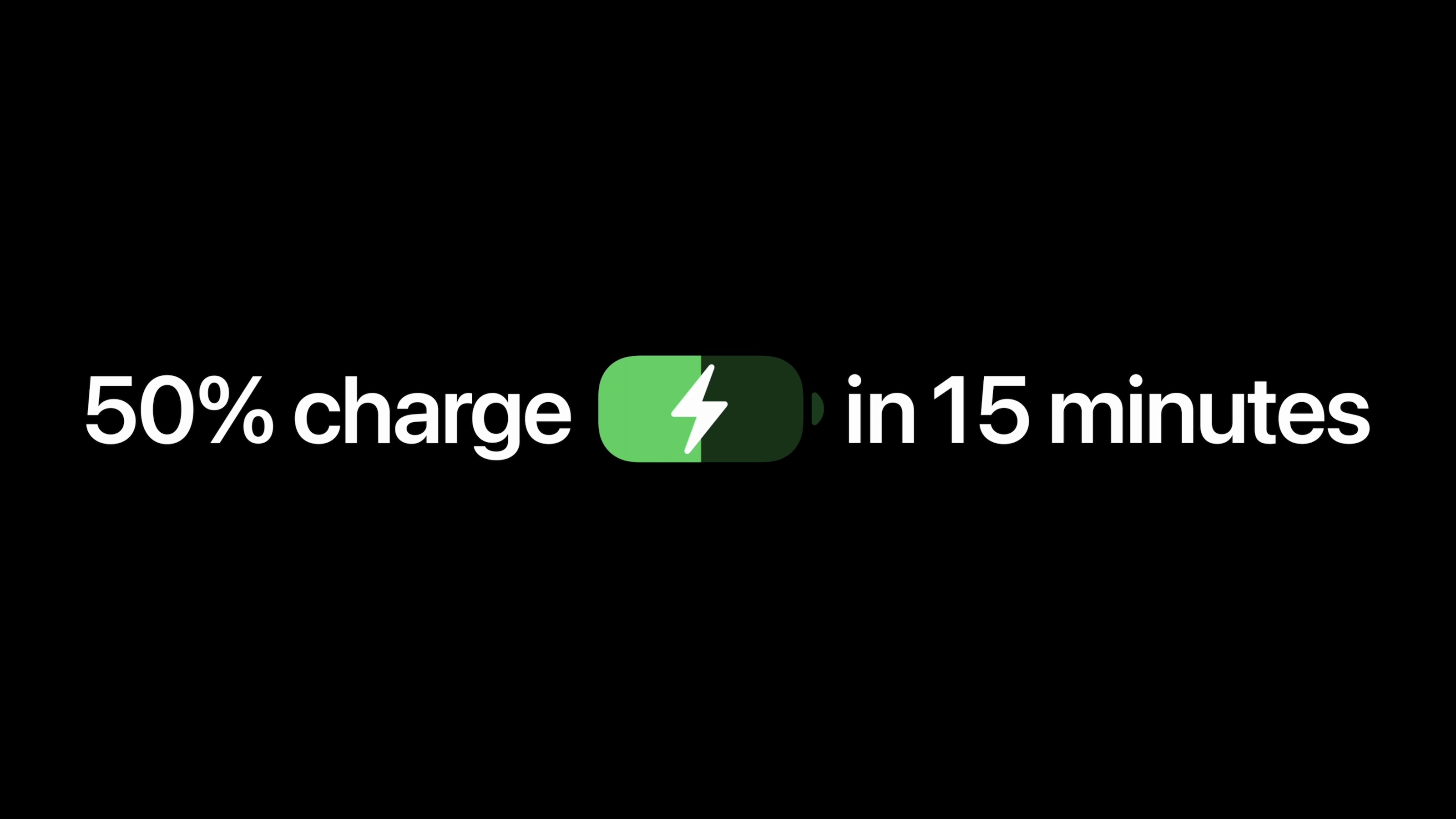
Photo: Apple
- iPhone 18 Pro: Up to 36 hours of video playback; Pro Max up to 45 hours; up to 50% wired charging in around 15 minutes; MagSafe and Qi2 wireless charging up to 25W
- iPhone 15 Pro: Up to 23 hours of video playback; Pro Max up to 29 hours; up to 50% wired charging in around 30 minutes with a 20W or higher adapter; MagSafe and Qi2 wireless charging up to 15W
Battery life is one area where the new iPhones deliver some impressive gains.
Apple figures show a substantial increase in runtime, with the iPhone 18 Pro delivering battery life that’s equal to last year’s iPhone 17 Pro Max. And the latter was known for its endurance.
Based on Apple’s quoted figures, the iPhone 18 Pro should easily give you another half-day to 10 hours of extra battery life in most use cases. And the iPhone 18 Pro Max should give almost two days of battery life with moderate use.
Do note that the eSIM-only iPhone 18 Pro models get a bigger battery, so they last longer than the physical-SIM models.
Charging also gets a useful upgrade. iPhone 18 Pro can go from 0-50% in around 15 minutes using a 60W charger. The iPhone 15 Pro takes 30 minutes to reach the same level.
Likewise, wireless charging is faster. iPhone 18 Pro tops out at 25W, while the iPhone 15 Pro Max can only pull 15W.
Price: A higher starting price, with more storage
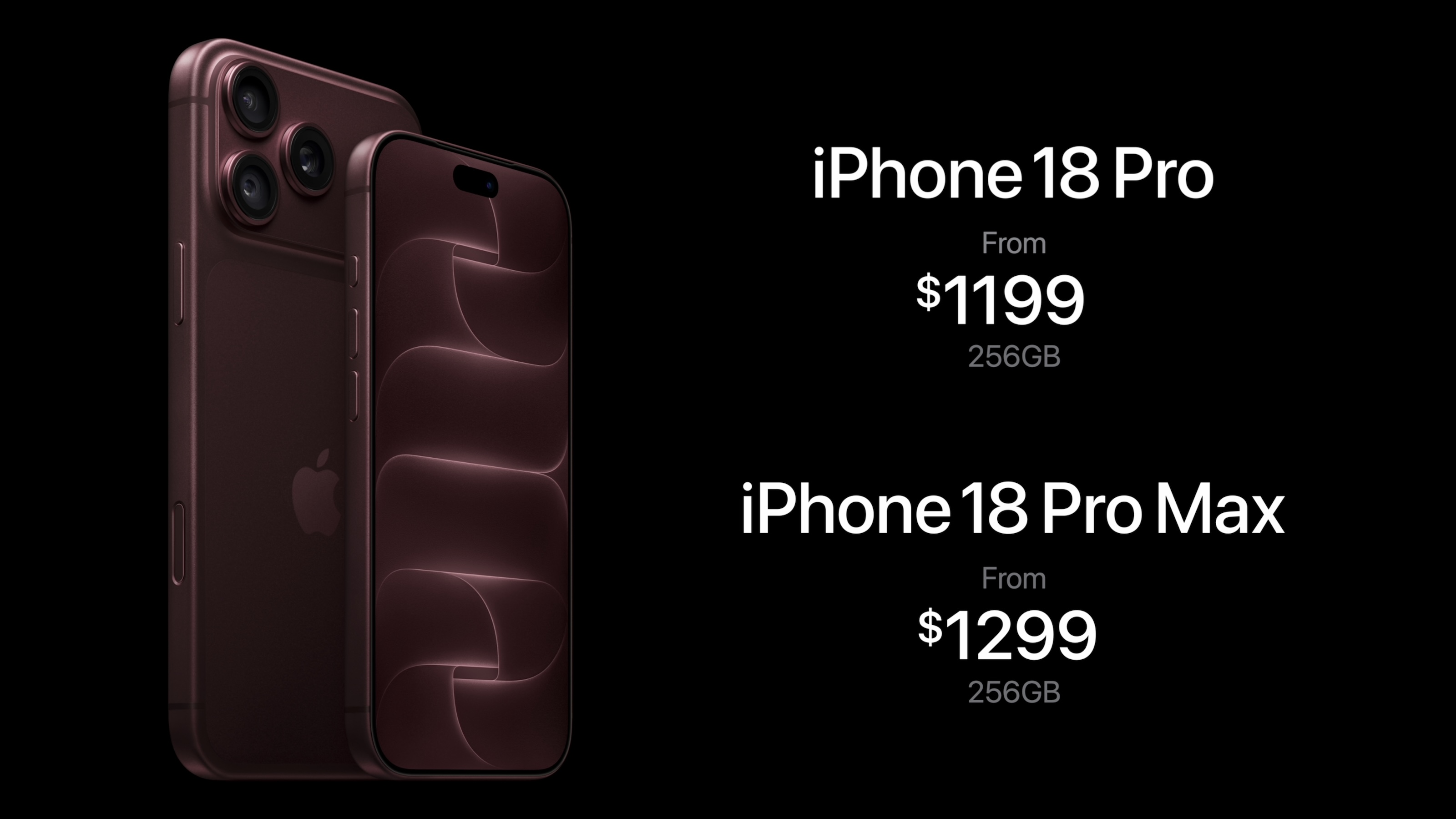
Photo: Apple
- iPhone 18 Pro: Starts at $1,199 with 256GB; Pro Max starts at $1,299 with 256GB
- iPhone 15 Pro: Launched at $999 with 128GB; Pro Max launched at $1,199 with 256GB
In the three years since the iPhone 15 Pro launched, the smartphone market has changed dramatically. Prices of memory, storage and other components have risen steeply.
Due to that, the iPhone 18 Pro starts at $1,199. That’s $200 more than the iPhone 15 Pro’s launch price, though it also comes with twice the base storage.
The iPhone 18 Pro Max starts $100 above its 2023 counterpart at the same 256GB capacity. You can get both Pro models with up to 2TB of storage.
Conclusion: Should you upgrade?
If you use your iPhone 15 Pro daily to take photos, use social media, watch videos and play games, the iPhone 18 Pro is a compelling upgrade. The hardware upgrades and the longer battery life will easily make a big difference in daily use.
But if you’re not a heavy user and only use the phone for messaging and calls, stick to your current iPhone for another year. In this case, a battery replacement may just be more than enough.