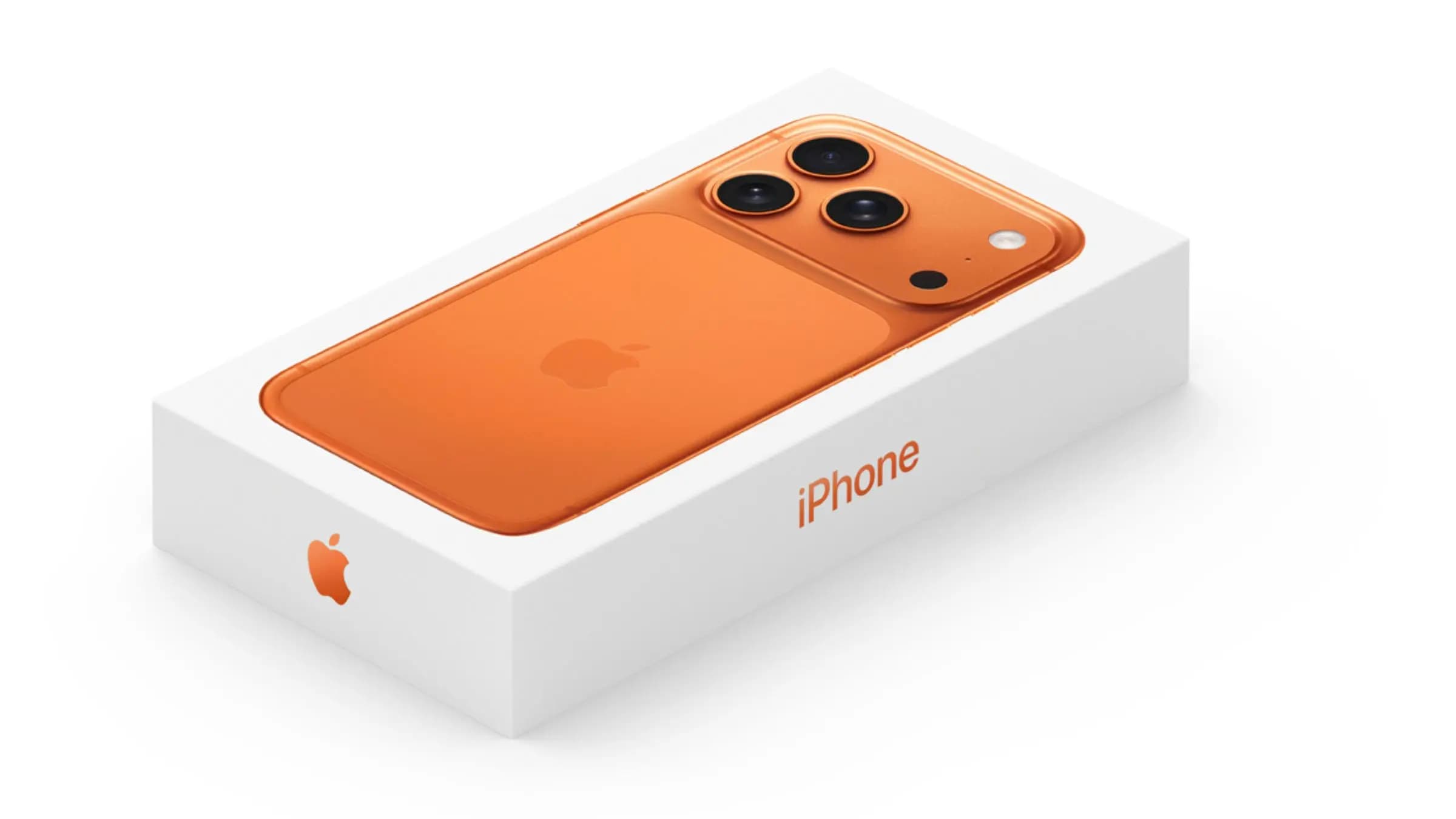
Months ahead of the fall launches, and historically right on time, Apple supply chain partner Foxconn has started to hire a small army of assemblers to build the iPhone 18 Pro.
Each summer, the Apple supply chain prepares for the annual iPhone mass production ramp-up by hiring more employees. For chief assembly partner Foxconn, that process has gotten underway in China.
According to China Securities Journal via MyDrivers on July 22, the iPhone 18 series has entered the mass production stage. As such, Foxconn and others in the pipeline are rapidly trying to grow their workforce for the period.
The production typically requires many thousands of workers to join Foxconn for a few months, as it builds up the initial orders of iPhones for Apple. With iPhones usually hitting shelves less than two weeks after the launch, that means Foxconn has to get to peak output by late August.
For the Zhengzhou facility that is the main hub of production in China, that output can be hundreds of thousands of iPhones per day.
While the report doesn't go into detail about the hiring process for 2026, it is probably going to follow the same bonus structure as 2025.
In August 2025, that meant Foxconn offering a bonus of up to $1,113 to new hires who stayed at the facility for three months. Other smaller incentives were offered weeks prior, but the need to swell the workforce at that time forced a higher than usual bonus.
As the summer progresses, we can expect to see more reports of Foxconn and others tempting workers with financial carrots, as the need to maintain production continues.
A split production run
One big difference for this year is that Apple is rumored to be cutting its iPhone 18 releases in half. The fall launches will involve the Pro models as well as the iPhone Fold, while the non-Pro will emerge in spring 2027.
The change is strategic for Apple on a few fronts. For manufacturing, this means its supply chain can focus on the Pro models, which tend to be the bigger sellers during the holiday period. Financially, it spreads the earnings around a bit more, with fewer spikes.
By contrast, the standard iPhone models tend to become the most-sold product later in the iPhone year, just as sales of the Pro models wanes.
To Apple, it therefore makes sense to split the iPhone 18 production run to just handle the Pro models at first, then two quarters later, work on the non-Pro variants.
This is Apple's first year under this new product timeline, and the effects to the manufacturing process are yet to be revealed. The most probable result is for manufacturing levels to be maintained at a similar level to the 2025 roster, and for a more sustained level of manufacturing over the year.