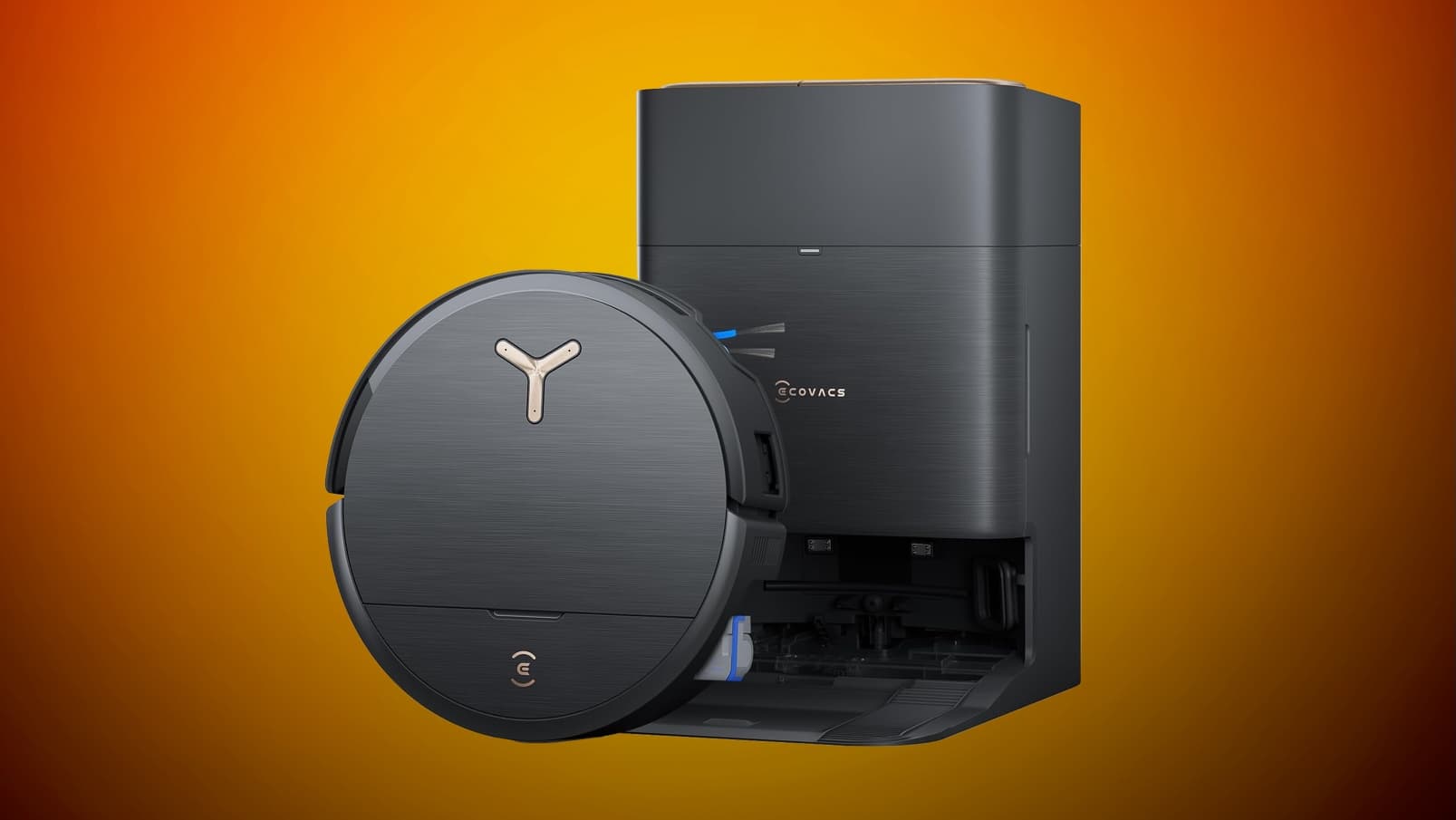
A new Federal Communications Commission order goes far, far beyond banning just humanoid robots, and will leave Apple Home users with fewer new autonomous robot vacuums to choose from.
The FCC added foreign-produced "advanced robotic devices" to its Covered List on July 28, citing surveillance, remote-control and supply-chain risks. Covered devices can't receive new FCC equipment authorizations unless the Department of War grants a Conditional Approval.
The ban goes way past humanoid robots. It also covers robotic lawn mowers, robot vacuums, pool cleaners, and other autonomous home robots.
Previously authorized robot vacuums aren't being banned, and consumers can continue using devices they already own. The change instead creates a new obstacle for manufacturers seeking to introduce qualifying models in the United States.
Apple added Matter support for robot vacuums with iOS 18.4. Users can control compatible models through the Home app and include them in scenes and automations with other smart-home accessories.
The FCC's action won't remove those features. However, restrictions on future equipment authorizations could narrow the selection of new robot vacuums available to Apple Home users, a category that already has few options.
The FCC rule reaches beyond humanoid robots
The FCC defines an advanced robotic device as a mobile machine capable of moving or navigating on the ground using commands, sensor information or both.
Devices that weigh more than 4.4 pounds, including any docking station, and contain at least one environmental sensor are all included. The definition also requires network connectivity of at least 200 kilobits per second and software used for functions such as navigation, perception, data collection or remote operation.
The definition reaches well beyond the humanoid and four-legged machines highlighted in the FCC's announcement. Connected robot vacuums commonly use cameras, LiDAR, infrared sensors or similar technology to map rooms, avoid obstacles and return to their docks.
Robot lawn mowers, delivery machines and some mobile warehouse robots could also meet the technical requirements. The determination excludes road and rail vehicles, aircraft, underwater vehicles, medical robots, mobility devices and fixed industrial robot arms.
Manufacturing location determines whether the restriction applies, not the nationality of the company selling the product. A U.S. company could therefore face the same restriction when it produces a qualifying robot abroad.
New robots will need conditional approval
Manufacturers need federal regulatory approval beyond what's required for most consumer electronics before introducing new robots in the United States. Placement on the Covered List prevents qualifying foreign-produced models from receiving that approval through the normal FCC process.
 Brother Dawn, a robot vacuum.
Companies can instead seek Conditional Approval from the Department of Defense. The FCC may then authorize a device or category of devices that the department determines doesn't pose the national security risks identified by the government.
Applicants must provide information about a product's development, ownership, production, assembly, testing and supply chain. The process offers manufacturers a route into the U.S. market, but the available guidance doesn't establish how quickly approvals will arrive or how frequently the department will grant them.
Existing products can still receive certain software and firmware updates. A separate FCC waiver permits updates that maintain functionality, fix vulnerabilities or preserve operating-system compatibility through at least January 1, 2029.
The waiver doesn't require manufacturers to support older models. It does, however, allow qualifying security and compatibility updates for platforms such as Apple Home, where users can control vacuums through the Home app and Siri commands.
Manufacturing location takes priority over a common security standard
Connected robot vacuums can collect detailed information about the inside of a home. Depending on the model, that information may include floor plans, camera images, obstacle data and records of when or where the device operates.
The FCC warns that compromised robots could support surveillance, expose sensitive information or allow an attacker to control a device remotely. The agency also argues that foreign production can create supply-chain dependencies with national and economic security consequences.
The restriction addresses those concerns primarily through manufacturing origin rather than a single published cybersecurity standard for every robot. Conditional Approval allows officials to consider individual products, but foreign production triggers the restriction before the FCC evaluates the security of a particular model.
Manufacturing location affects supply-chain risk, but it doesn't guarantee strong security. A domestic robot can still be vulnerable, while a better-protected foreign model may remain blocked without Conditional Approval.
Apple Home users won't see an immediate change. Existing compatible vacuums can continue working through Matter, while previously authorized products remain outside the new authorization ban.
The long-term effect will depend on how often manufacturers win Conditional Approval or shift production. Apple Home now supports robot vacuums, but the FCC could leave users with fewer compatible models to choose from.