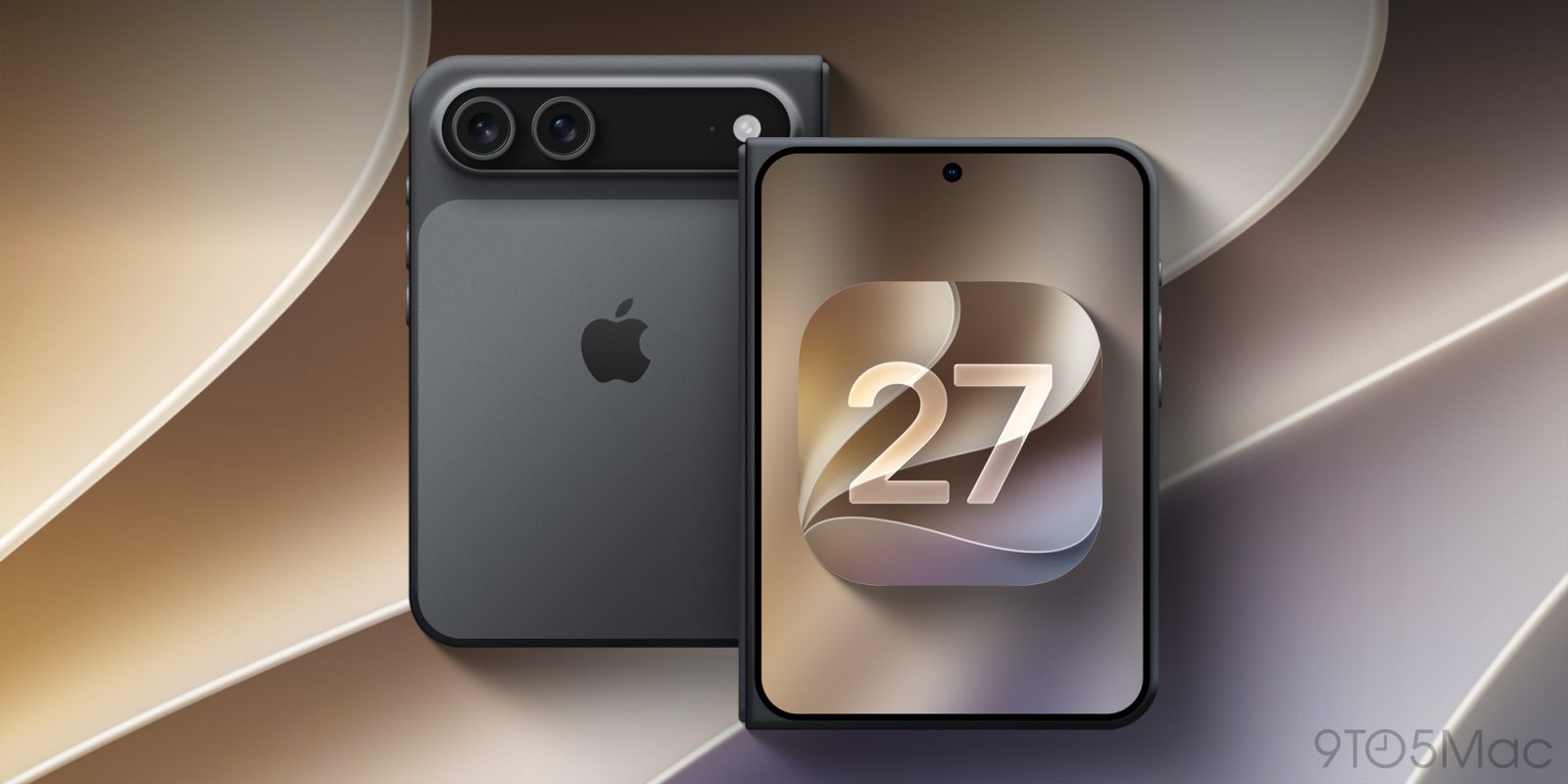
After conflicting reports about when the iPhone Ultra would launch, there’s now a clear consensus that it will be announced in September alongside the iPhone 18 Pro.
It does, however, look likely that Apple may adapt the iPhone X strategy of announcing it in September and having it go on sale a little later, and a report yesterday suggested that launch availability may be very limited …
There had been some earlier reports suggesting that the iPhone Ultra launch might be very delayed, perhaps even into early next year. By last month, however, there was a clear consensus that any delay in the upcoming premium model going on sale would be a short one.
It’s looking extremely likely that Apple will officially announce the folding iPhone in September, and that it will either go on sale alongside the iPhone 18 Pro or no more than a month later.
Apple analyst Ming-Chi Kuo has now warned that even with a gap between announcement and sale, the new model may be in very short supply. He said supply chain sources suggested that “only” one million units will be manufactured within the third quarter, with delivery times potentially stretching four to six weeks or more.
How that number stacks up against likely demand for a device expected to have a starting price of around $2,400 and potentially max out at $3,000 remains to be seen. But I do think Apple may be perfectly content with limited launch availability, and here’s why.
Apple’s Ultra strategy
The first Apple device to get the Ultra label was the Apple Watch Ultra. While ostensibly aimed at adventurers, the company likely knew that there would be a demographic who would simply want the most expensive model with the largest face without ever going anywhere near a mountain-top or an underwater reef. That does appear to be the case, and the company now has an Apple Watch model with a starting price literally double that of the Series 11.
It seems pretty clear the company learned from this. That learning is that there is a sufficiently large segment of the market willing to pay even more than Apple’s normal premium pricing for the ultimate model to justify creating products specifically for them. This year we’re expecting to see both an iPhone Ultra and a MacBook Ultra.
Essentially, the company is creating a whole new tier of products and testing the boundaries of just how much a certain segment of its customer base would be willing to pay.
A winning formula
If there’s one lesson luxury brands have learned, it’s that limited availability is not a bug but a feature. It’s famously impossible to walk into a Rolex dealership, hand over some money, and walk out with your desired watch. Indeed, if you want to buy a particularly desirable Rolex or Ferrari model, the companies even go so far as to force you to buy less desirable ones first in order to “establish a relationship” with a dealer.
Most luxury brands don’t go quite that far, but they do artificially limit supply, and in doing so make their products seem more desirable.
I’m in no way suggesting that Apple would do this deliberately, but if the manufacturing challenges of making an ultra-premium device are such that there is limited availability at launch, that’s certainly going to be no bad thing for the company. Premium branding plus scarcity is a well-established winning formula.
FTC: We use income earning auto affiliate links. More.