Meta is closing a loophole that allowed people to record with their smart glasses' light covered
It's the second update in less than two months to address privacy concerns.
Meta is closing a loophole that allowed people to record with their smart glasses' light covered
It's the second update in less than two months to address privacy concerns.
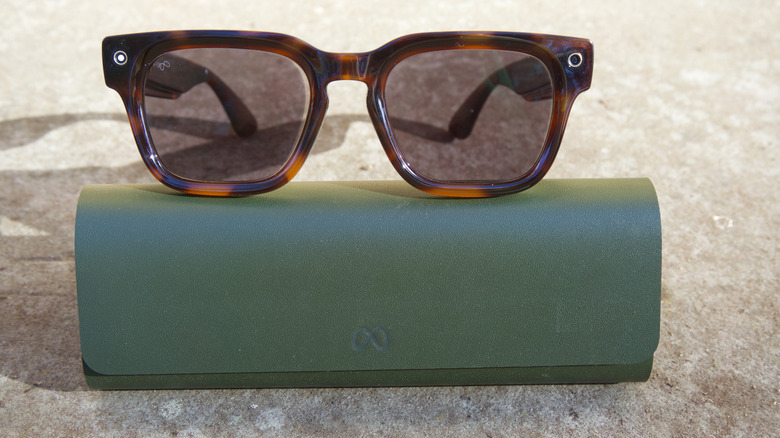
Meta is making yet another change to its smart glasses to try to prevent people from covertly recording others. The company is rolling out a software update that closes one loophole that allowed people to bypass the LED by covering it up while a recording was in progress, according to Alex Himel, Meta's VP of AR.
The seemingly simple loophole is one that has been repeatedly highlighted online in tutorials about how to bypass the light. "The camera won't start recording if the LED is blocked, but some people try to bypass this by starting a recording and then covering it up," Himel wrote in a post on Threads. "A fix for this is starting to roll out – the camera will now stop working if the light is covered during a recording."
The change is the second time in less than two months that Meta has issued a software update to address privacy concerns and unwanted recording. The company announced last month that it would disable the cameras on glasses if it detected that people had physically damaged the recording light.
Meta has been trying to get ahead of a growing backlash against the product that has been fueled, in part, by people using the devices to covertly film and harass others in public. Instagram has also banned the accounts of some of the people behind these videos. But the company has yet to stop all of the tactics people have found to surreptitiously record others. There's also a thriving market for cheap accessories that can bypass the recording light without detection, as Engadget recently reported.
Himel suggested that Meta is still working on additional privacy features for its glasses. "We're going to keep rolling out updates like this to make sure the capture LED can reliably alert bystanders when photos or videos are being captured for someone's gallery," he wrote. "Only a tiny minority of people try to get around these protections, and the fact they have to go to these lengths shows our efforts are working."
Originally published on Engadget