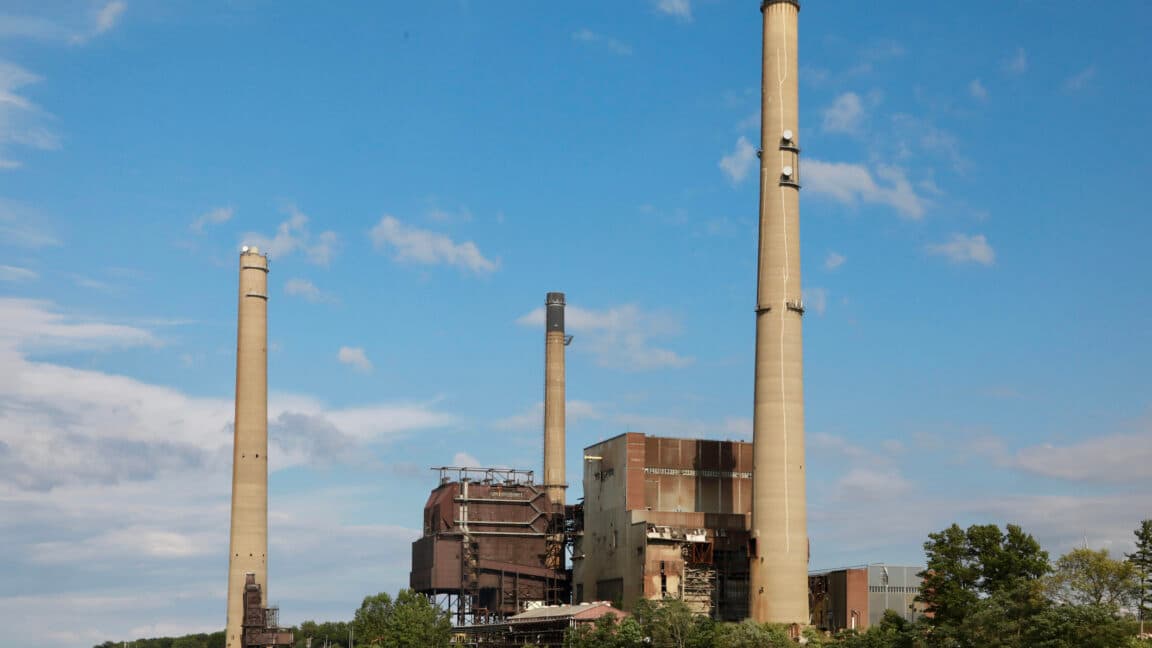
So it will be really quite quick. Zero to 62 mph (100 km/h) takes 2.6 seconds. Zero to 125 mph (200 km/h) is just 6.8 seconds. Don’t expect a Veyron-rivaling top speed, but Audi says it will do more than 217 mph (350 km/h, assuming you have somewhere to try those kinds of top speeds.
The powertrain combines three 148 hp (110 kW) axial flux electric motors—two for the front wheels and one for the rear axle—with the 788 hp (588 kW) V8, which still manages to rev to 10,000 rpm despite a pair of turbochargers. The lithium-ion traction battery has a gross capacity of 7.3 kWh, but if it’s provisioned anything like the Temerario, only half of that may be available during driving.
Audi is playing up its new Formula 1 team when describing the Nuvolari. We’re told its F1 drivers “provided targeted feedback” during the car’s aerodynamic development and that it features high- and low-downforce settings for the active rear wing. Audi says the brakes are also F1-derived, though they are still carbon-ceramic disks rather than the carbon-carbon type used by race cars (which would be extremely unsuitable for road use).
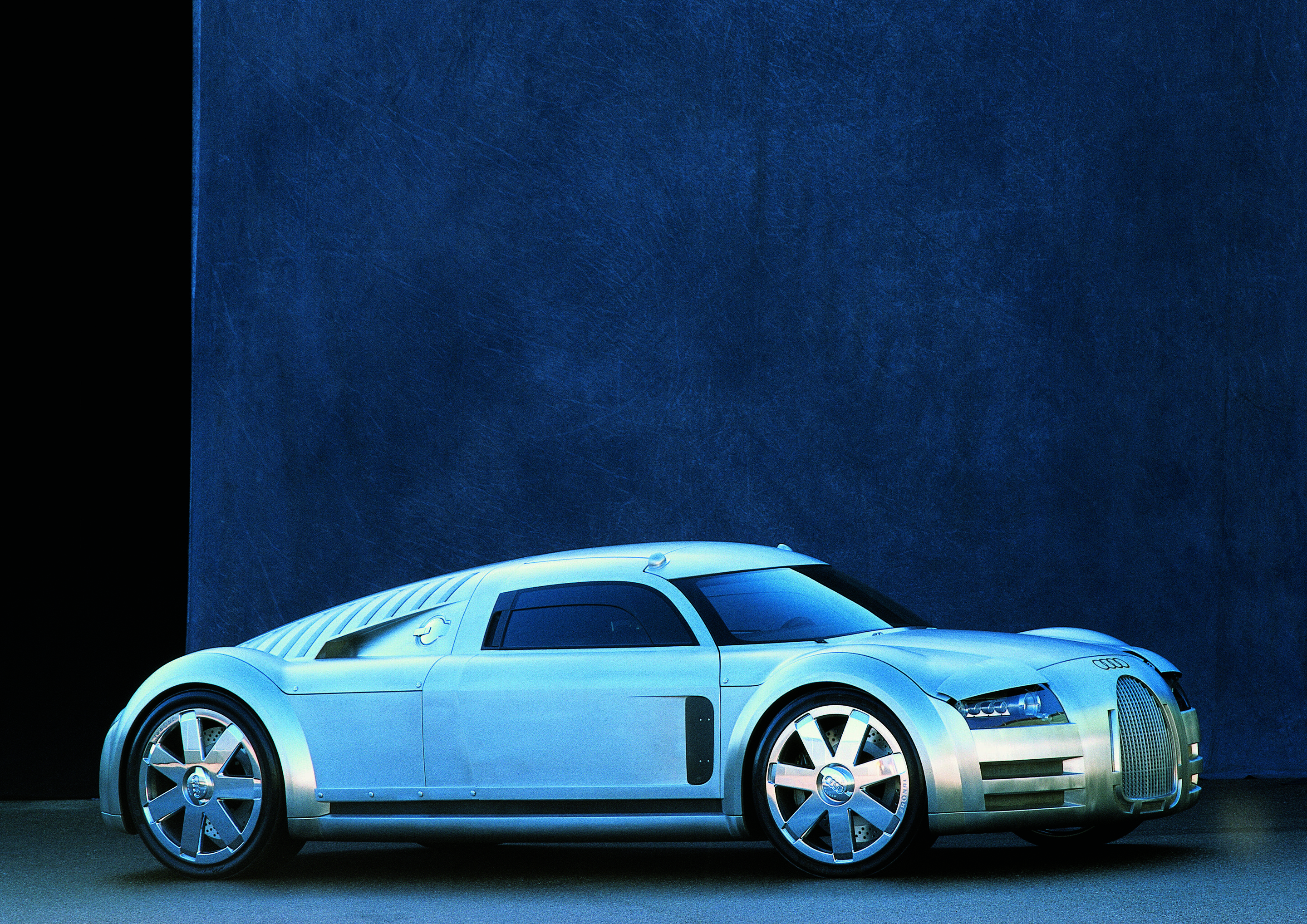
Audi has tapped its prewar racing legacy more than once. This is the Rosemeyer concept from 2016.
Audi
Audi has tapped its prewar racing legacy more than once. This is the Rosemeyer concept from 2016. Audi
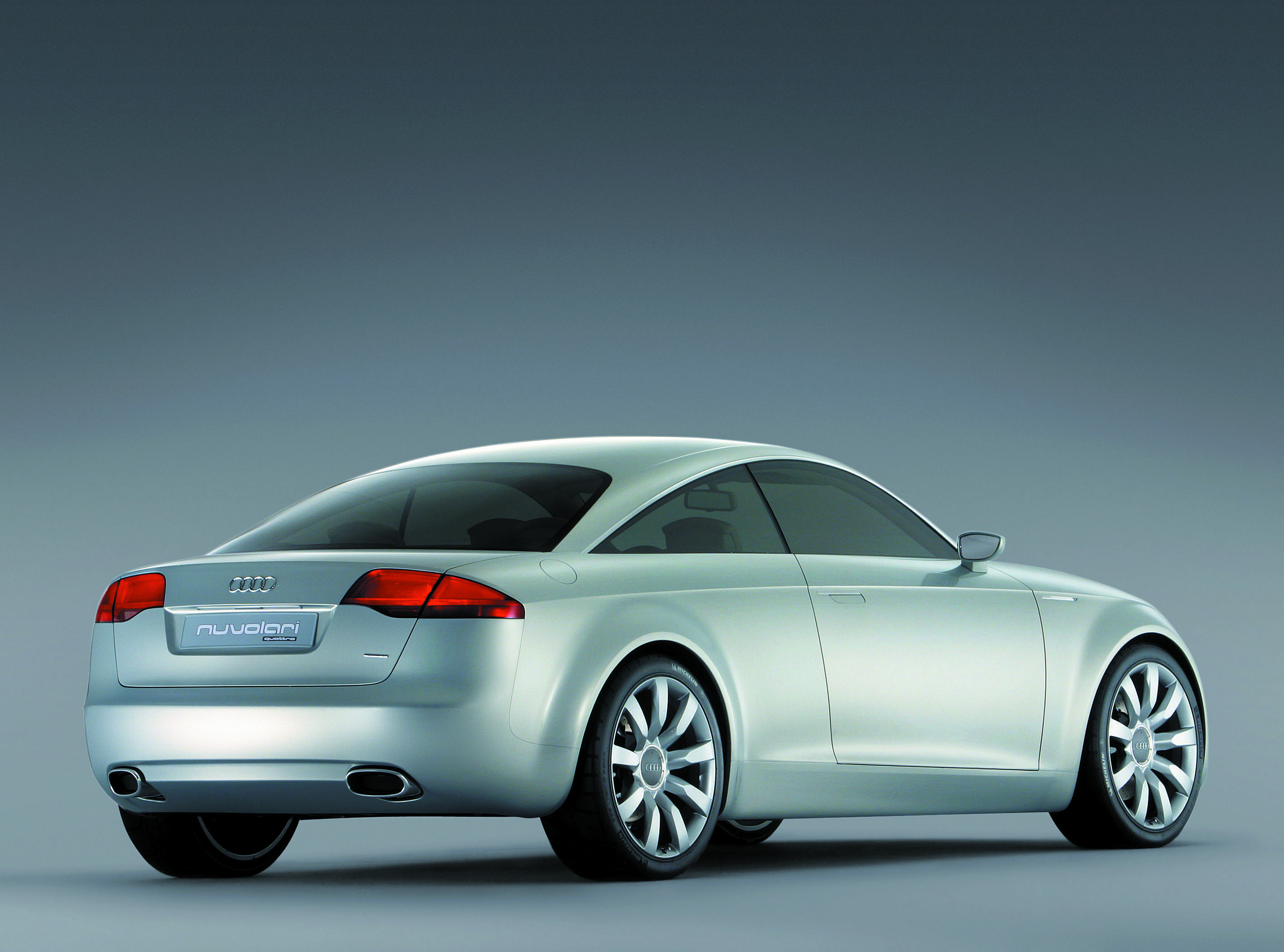
And it’s used the name Nuvolari before, too: This is the Nuvolari concept from 2003.
Audi
And it’s used the name Nuvolari before, too: This is the Nuvolari concept from 2003. Audi
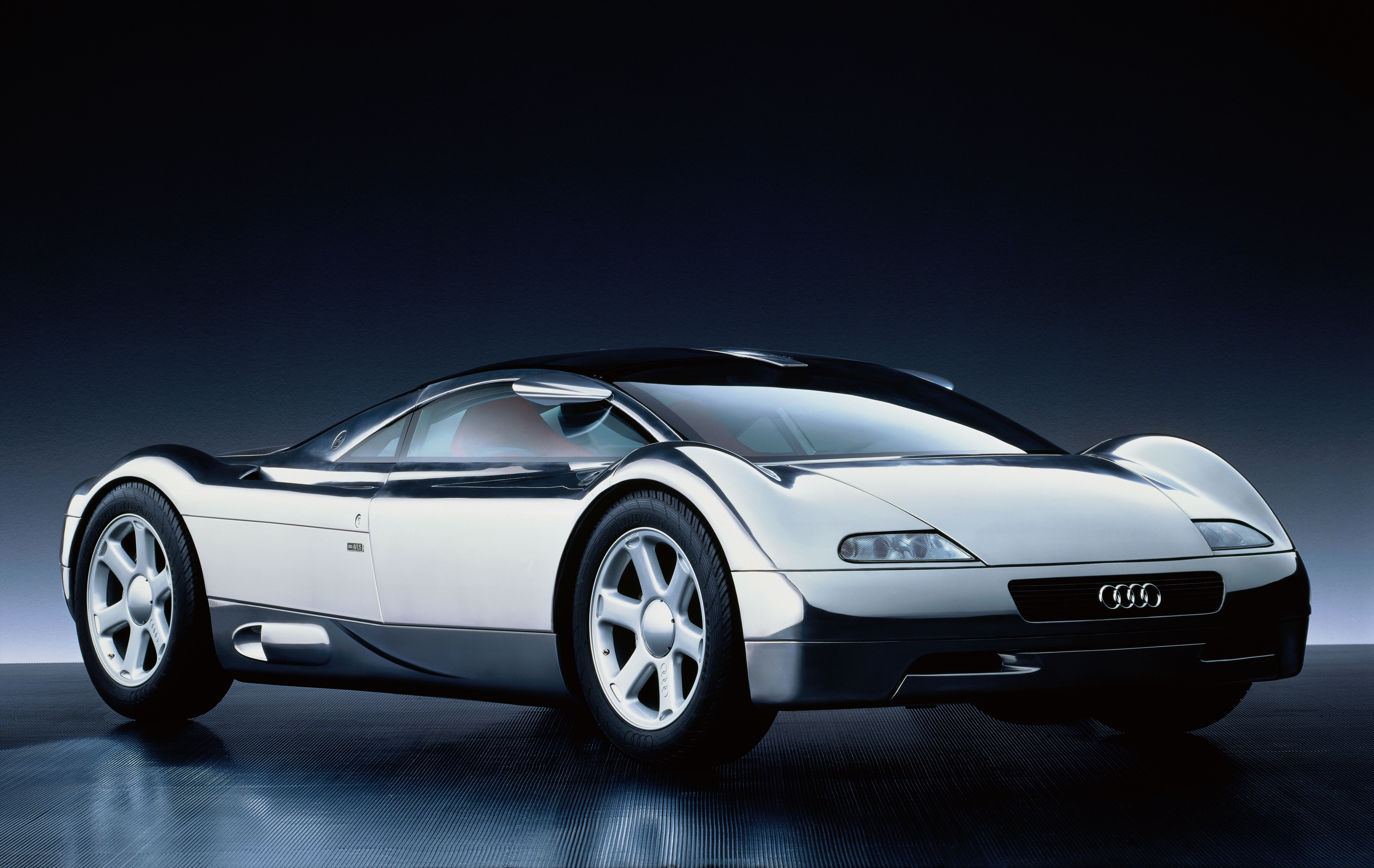
The Avus ring was a prewar circuit formed by two stretches of autobahn linked by hairpins. This is the Audi Avus concept, from 1991.
Audi
The Avus ring was a prewar circuit formed by two stretches of autobahn linked by hairpins. This is the Audi Avus concept, from 1991. Audi
And it’s used the name Nuvolari before, too: This is the Nuvolari concept from 2003. Audi
The Avus ring was a prewar circuit formed by two stretches of autobahn linked by hairpins. This is the Audi Avus concept, from 1991. Audi
Instead of aluminum, the bodywork is carbon fiber, a first for Audi for a production car. Because this is no mere styling concept, it’s committed to building 499 Nuvolaris, beginning in the first half of next year.