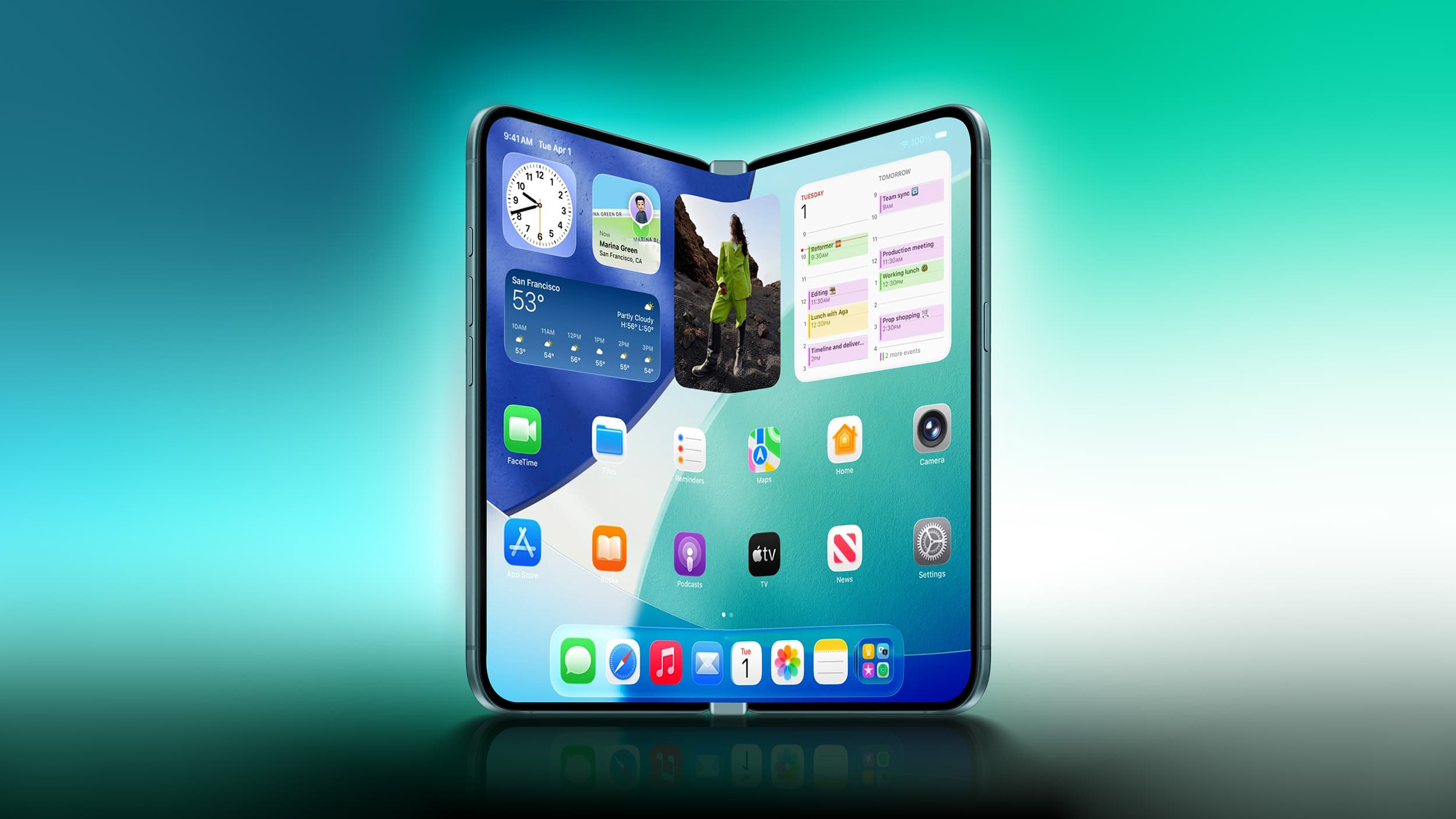
The iPhone Fold has yet to ship, but Apple's already working on a third-generation foldable it could release in 2028. It's something it's compelled to do.
Apple is expected to launch the much-rumored iPhone Fold this fall, as part of its usual September iPhone launches. But, despite not having sold a single unit for the foldable, Apple is already planning for multiple follow-ups.
According to Mark Gurman in his "Power On" newsletter for Bloomberg, Apple is not just planning its second-generation release for 2027. It's also working on a third-gen model, which could arrive as soon as 2028.
When it comes to what Apple could change for the model, Gurman proposes that it will have slightly larger displays. This would be both for the inside foldable screen and the smaller external version.
Gurman's claim follows one from June, when he said a second-generation folding iPhone was being prepared for a late 2027 launch. Few details are known about that particular variant, aside from it being released as part of the iPhone's 20th anniversary festivities.
Long-term planning
The discussion about a possible third-gen iPhone Fold when the first-gen model hasn't even been announced is par for the course for a company like Apple. It seems like Apple is being presumptuous about the iPhone Fold's success, when really it's business as usual.
A company the size of Apple equipped with a sophisticated and sprawling supply chain has no choice but to plan its products and manufacturing goals far in advance.
While the public is aware of an annual cycle for the iPhone, it's really the product of a much longer development timeline. Major overhauls can take multiple years to get going, while iterative updates can still take about 18 months.
These long lede times result in a situation where Apple can have two to three future generations of devices being worked on simultaneously.
That third-gen iPhone Fold is also far away in the future that not much will have been invested into its development. If the iPhone Fold somehow flops spectacularly badly with no hope of rescue, it's a small enough cost that Apple could consider culling it without feeling that much of a financial penalty.
Ultimately, Apple is compelled to work on generations-away revisions for its products. Even if they don't see the light of day.