Retroid Pocket 5 and Flip 2 are getting a spec bump, but will cost $10 more after July 14
Even older emulation-focused handhelds can't escape RAMaggedon.
Retroid Pocket 5 and Flip 2 are getting a spec bump, but will cost $10 more after July 14
Even older emulation-focused handhelds can't escape RAMaggedon.
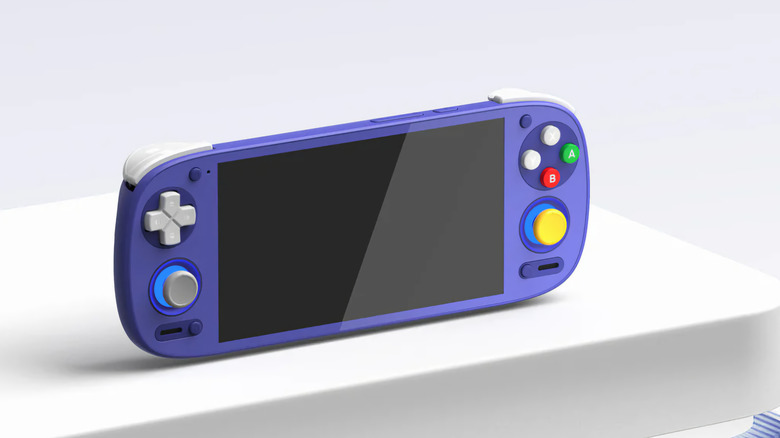
Retroid, creator of a growing number of Android-based handhelds, is cutting a deal with recent purchasers of its Retroid Pocket 5 and Flip 2 handhelds. Anyone with an unfulfilled order of the company's entry-level models with 8GB of RAM and 128GB of storage will get an upgrade to 12GB of RAM at no additional cost, Retroid Handhelds reports. After July 14, though, both handhelds will also cost $10 more.
While not Retroid's newest devices — that honor falls to the upcoming Retroid Pocket Nova — the Snapdragon 865 chip in both the Pocket 5 and Flip 2 mean that they're capable of emulating consoles as recent as the Gamecube or PlayStation 2. Adding more RAM into the mix should theoretically make them even better. If that change wasn't paired with a price increase, it would be easy to celebrate. Because an extra 4GB of RAM is coming at the cost of an additional $10, the change is better understood as Retroid eliminating its cheapest tiers entirely.
You still have until July 14 to purchase a Pocket 5 or Flip 2 for their current prices, but after that, both handhelds will start at $209 and $219, respectively. Retroid hasn't shared what's motivating this change, but given the state of the rest of the technology industry, it seems safe to assume the cost and availability of RAM played a role. AI companies' demand for memory has prompted component makers to radically hike their prices. For many companies, including Microsoft, Apple and Framework, that means raising their prices in turn.
While cutting low-cost tiers is a strategy Apple has already deployed to slow the bleeding, Retroid's situation is likely most comparable to Framework's. Both companies sell popular products, but they don't do it at the scale of an Apple or Samsung, and that means they either don't have a back supply of RAM to fall back on, or the leeway to negotiate a better deal. Eliminating a cheaper tier likely just makes the most business sense for Retroid.
Originally published on Engadget