Samsung’s new foldable still comes with 12GB of RAM in the base model. You can upgrade to 16GB with more storage, but the phone is already very expensive. Overall, apps remain in memory long enough, and I haven’t noticed issues with multitasking. Still, at this price, 16GB of RAM would make more sense. Perhaps if we were not in the midst of the great AI RAM shortage, Samsung would have stepped up to 16GB.
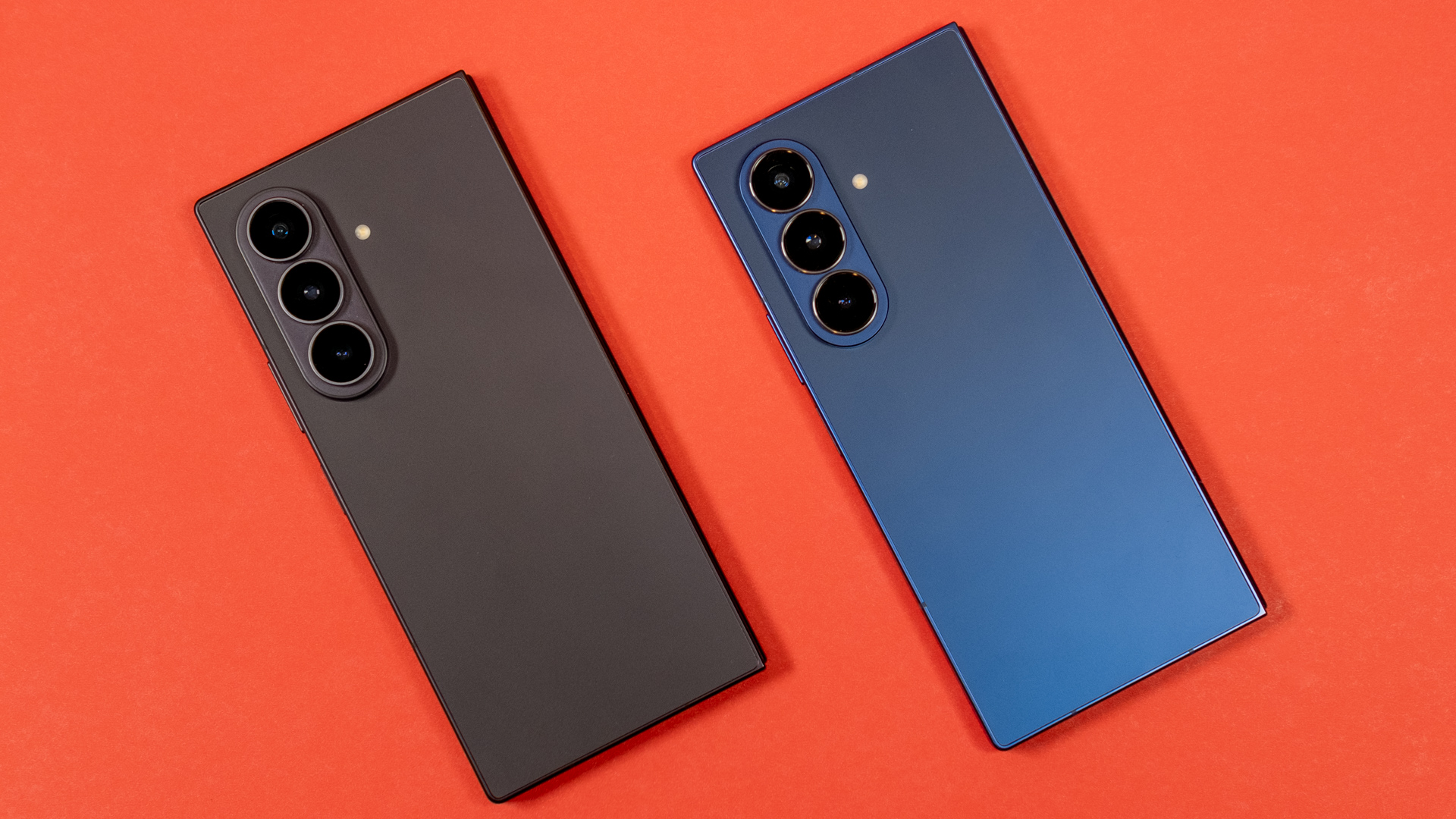
The Z Fold 8 Ultra (left) is basically indistinguishable from the Z Fold 7 (right).
Credit: Ryan Whitwam
The Z Fold 8 Ultra (left) is basically indistinguishable from the Z Fold 7 (right). Credit: Ryan Whitwam
There aren’t many hardware improvements in this year’s Fold, but the battery and charging did get some attention. Having finally gone the silicon-carbon route, Samsung has increased the capacity of the traditional lithium polymer cells to 5,000 mAh (up from 4,400 mAh last year). That’s on par with most non-folding flagship phones. It’s not a night-and-day difference in longevity, and you can still drain it quickly by using only the big internal display, but you don’t have to worry about whether the Z Fold 8 Ultra will make it to bedtime most days.
If the Z Fold 8 Ultra doesn’t quite make it all the way to bedtime, you won’t be terribly inconvenienced. Samsung has boosted the charging from the measly 25 W peak speed of past foldables to a much more reasonable 45 W. That’s nothing compared to what you get with certain Chinese smartphones, but it’s much more livable. Samsung says you can go from empty to 67 percent in about 30 minutes with a compatible USB-PD charger.
Ultra cameras
One of the main selling points of the Z Fold 8 Ultra over the Z Fold 8 is the camera setup. While the wide-body foldable only has two rear cameras (both 50 MP), the Z Fold 8 Ultra has an upgraded triple setup with a 200 MP primary, a 10 MP 3x telephoto, and a new 50 MP ultrawide.
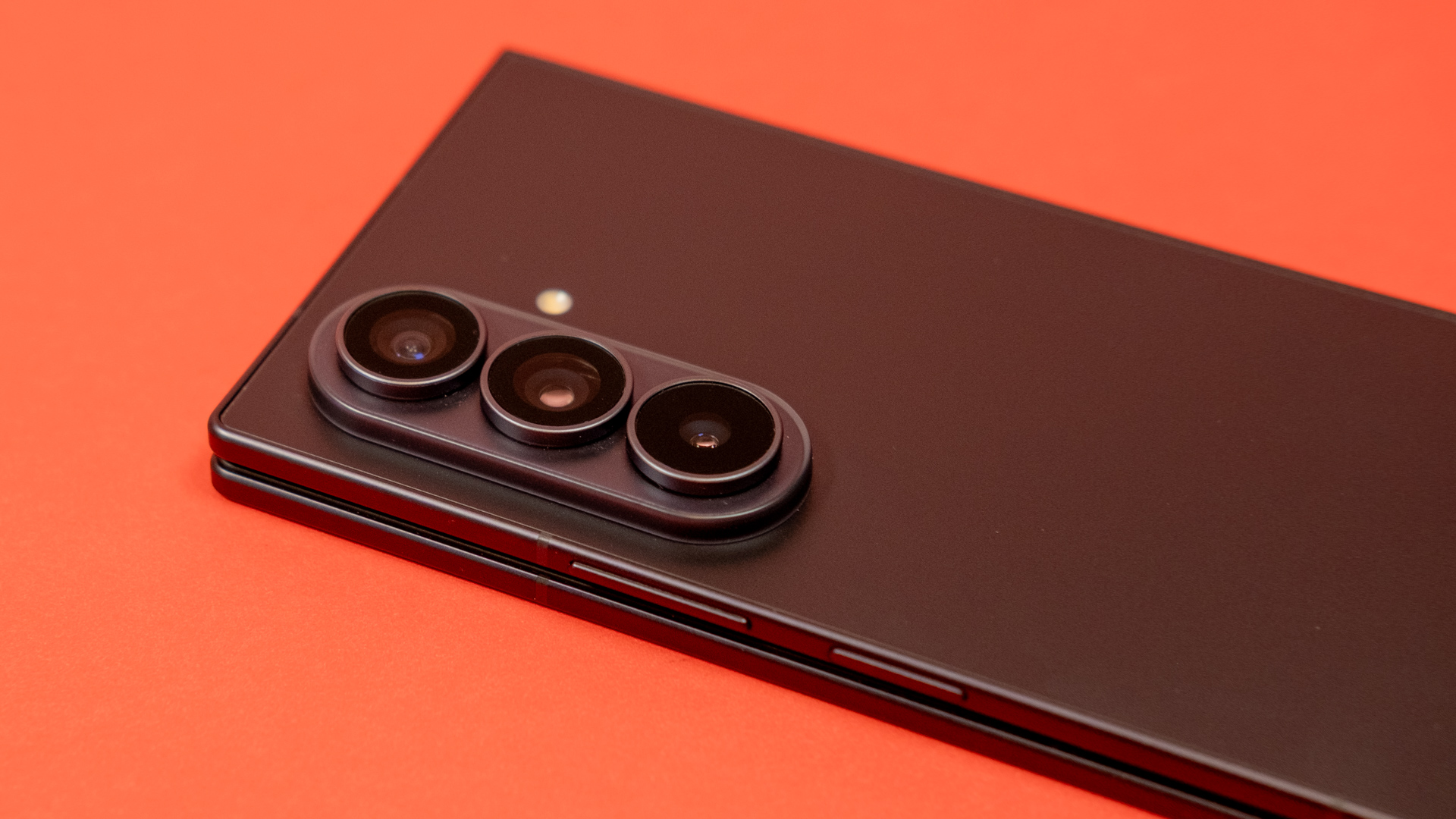
The cameras dominate the back.
Credit: Ryan Whitwam
The cameras dominate the back. Credit: Ryan Whitwam
The 200 MP camera is the same as last year’s foldable, and the sensor is identical to what’s in the Galaxy S26 Ultra. However, the aperture is narrower (less light collection) due to the constraints introduced by foldables. Photos are binned to 12 MP, showing good dynamic range and brightness, although Google does have Samsung beat there. They still have that distinctive vibrant and sometimes too contrasty look we associate with Samsung cameras.