Senators press TikTok on 'sinister' experiment that held back an algorithm safety feature
A teen who died by suicide was reportedly part of the test.
Senators press TikTok on 'sinister' experiment that held back an algorithm safety feature
A teen who died by suicide was reportedly part of the test.
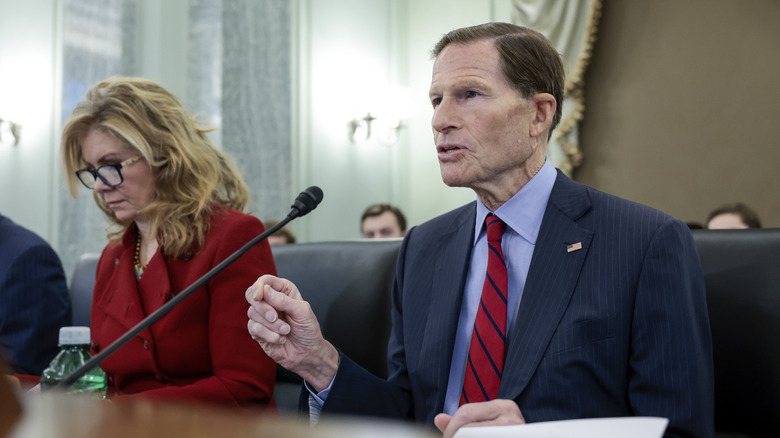
TikTok is facing a new round of questions about its safety record and how its algorithm has fueled problematic "filter bubbles." Senators Marsha Blackburn and Richard Blumenthal sent a sharply worded letter to the company's top executives questioning them about how the app has tested, and in some cases, withheld, key safety features.
The letter comes after Bloomberg reported on an experiment the company began in 2021 related to an algorithmic safety feature. The change was meant to help users avoid "repetitive patterns," or what are sometimes referred to as "filter bubbles," in its "for you" feed. The company said at the time that the update was meant to guard against "viewing too much of a content category that may be fine as a single video but problematic if viewed in clusters."
What the company didn't share at the time was that it planned to hold back the feature for millions of users so that TikTok could use the "control group" to test its impact on engagement. One US teen, Chase Nasca died by suicide shortly after his account became part of the control group, according to Bloomberg. The teen "fell into a filter bubble where his account was recommended a repetitive amount of content surrounding Suicide and Self Harm and depressive topics, particularly leading up to the date of his suicide" according to an internal TikTok document reported by the outlet earlier this month.
In their letter, the senators demand that TikTok provide details about the experiment, and others like it. The company was also pressed on whether it ever decided against rolling out a safety feature because of its potential impact on engagement or ad revenue. The company was given a deadline of September 1 to provide responses. "These latest disclosures show that TikTok not only possessed information about the dangers created by its recommendation systems, but deliberately denied millions of users access to a safety intervention so that the company could study the intervention's impact on engagement," the letter says.
Both lawmakers have been closely involved in pushing social media companies for more safeguards for teens, and have been major advocates for the Kids Online Safety Act (KOSA). The 2021 experiment began shortly after a TikTok policy official appeared at a Congressional hearing during which Blumenthal and Blackburn urged the company to do more to protect children on its platform. "These revelations are appalling, but they are made even more sinister because TikTok was on notice about the effects of its recommendation algorithms on children," the senators write.
TikTok didn't immediately respond to a request for comment.
Originally published on Engadget