Should you avoid TP-Link routers? Here's what to know
When it's less about the product and more about the FCC.
Should you avoid TP-Link routers? Here's what to know
When it’s less about the product and more about the FCC.
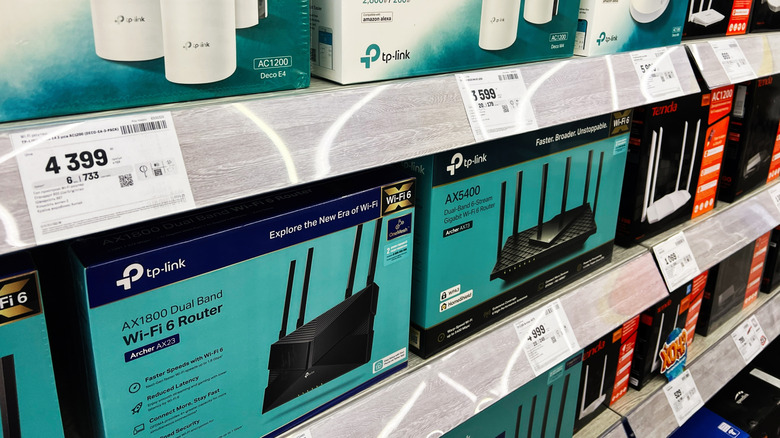
TP-Link has long been a top router recommendation, including at Engadget. Its models tend to perform well at relatively low prices, making them a solid value. But the company is now on less-than-solid ground in the US after the FCC restricted new foreign-made routers, while later granting waivers to some other manufacturers.
If you're shopping for a new router, what does that mean? Well, TP-Link is still allowed to sell all the routers the FCC approved before the ban. But if you're in the US, you probably don't want to buy a TP-Link model right now. Outside the US, though, there's no reason to rule out TP-Link's products. That's because it's less about public evidence that they're uniquely insecure, and more about the uncertainty created by the FCC's actions.
What the FCC did
The FCC didn't call out TP-Link specifically in its original notice. Instead, it made a more general claim that foreign-made consumer routers can create supply-chain vulnerabilities and cybersecurity risks. The agency said these concerns were tied to espionage and attacks on infrastructure.
TP-Link wasn't alone in being affected. But it also wasn't among the companies that later received an exemption. The FCC granted conditional approval to Netgear, Amazon's Eero and a growing list of other manufacturers. In practice, that makes it hard not to see TP-Link as the policy's real target, despite the agency's broader framing of the crackdown.
If that's the case, why target TP-Link? The answer may be as simple as: its roots are in China. Although the company said that a 2024 reorganization brought its global headquarters to the US, that doesn't seem to have mattered much. For a Trump administration openly hostile to anything China-related, that background probably had, well, more than a little something to do with it.
This FCC isn't exactly a neutral messenger

The case against buying a TP-Link router in the US isn't based on taking the FCC's claims at face value. On the contrary, Chairman Brendan Carr has treated the agency more like a political weapon than an independent regulator (in line with other federal branches in Donald Trump's second term). Carr has warned broadcasters that they could lose their licenses over coverage that ruffles the president's feathers. He's pressured ABC affiliates to stop airing Jimmy Kimmel Live. And he even brought Disney-owned ABC station licenses up for review years early.
That doesn't mean the FCC is automatically wrong here. But it also hasn't exactly earned the benefit of the doubt.
There are also inconsistencies with the FCC's public case. First, banning sales of new router models does little to address the much larger base of models approved for sale or those already sitting in Americans' homes. If they're as insecure as the agency originally suggested, then why are existing devices apparently A-OK? Plus, router security problems are hardly unique to TP-Link or to any single country's supply chain.
There's another problem: a fully American-made consumer Wi-Fi router doesn't exist. Even brands that seem safer politically still rely on global supply chains for parts, assembly or design.
The FCC even undercut its argument when it later allowed affected companies (including TP-Link) to keep pushing critical security updates through 2029. To be clear, the original March 2027 update cutoff was both consumer hostile and a potential security nightmare, but if these routers posed such an urgent threat, neither that extension nor the carveouts granted to other foreign manufacturers make much sense.
Why US buyers should think twice
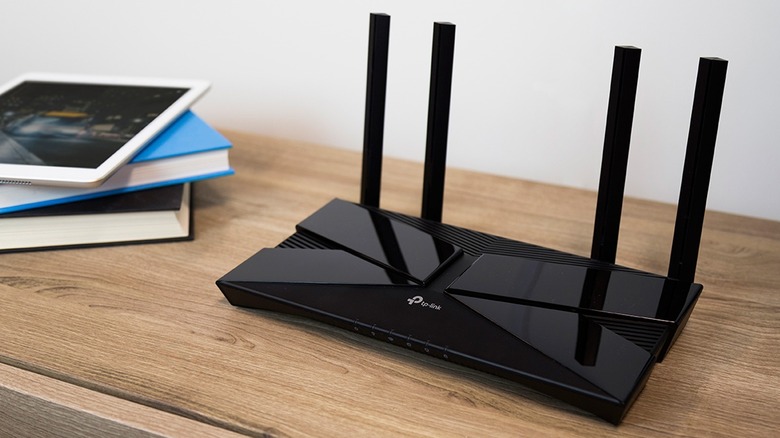
Still, the consumer impact is real. Routers are long-term purchases, and ongoing support is every bit as important as speed or coverage. For current owners of TP-Link routers, that security update extension provides some breathing room, as these devices won't be abandoned overnight. But new buyers are facing an increasingly short runway of guaranteed support. You shouldn't be using a router that isn't secure, and TP-Link can offer no guarantees that a router bought in the US today will be secure after the FCC's January 1, 2029 deadline.
The policy risk simply makes it a tougher sell in America. There's too much uncertainty involved with something as critical as a router.
If you already own a TP-Link router, even if you live in the US, there's no reason to panic. As long as it's performing well, carry on. Just check regularly for firmware updates, and reassess things as the (current) January 1, 2029 support deadline approaches.
Outside the US, we haven't seen any evidence that you should balk at TP-Link routers. Again, the issue is about the consequences of the Trump administration's approach in the US, not a blanket verdict on TP-Link products everywhere.
Originally published on Engadget