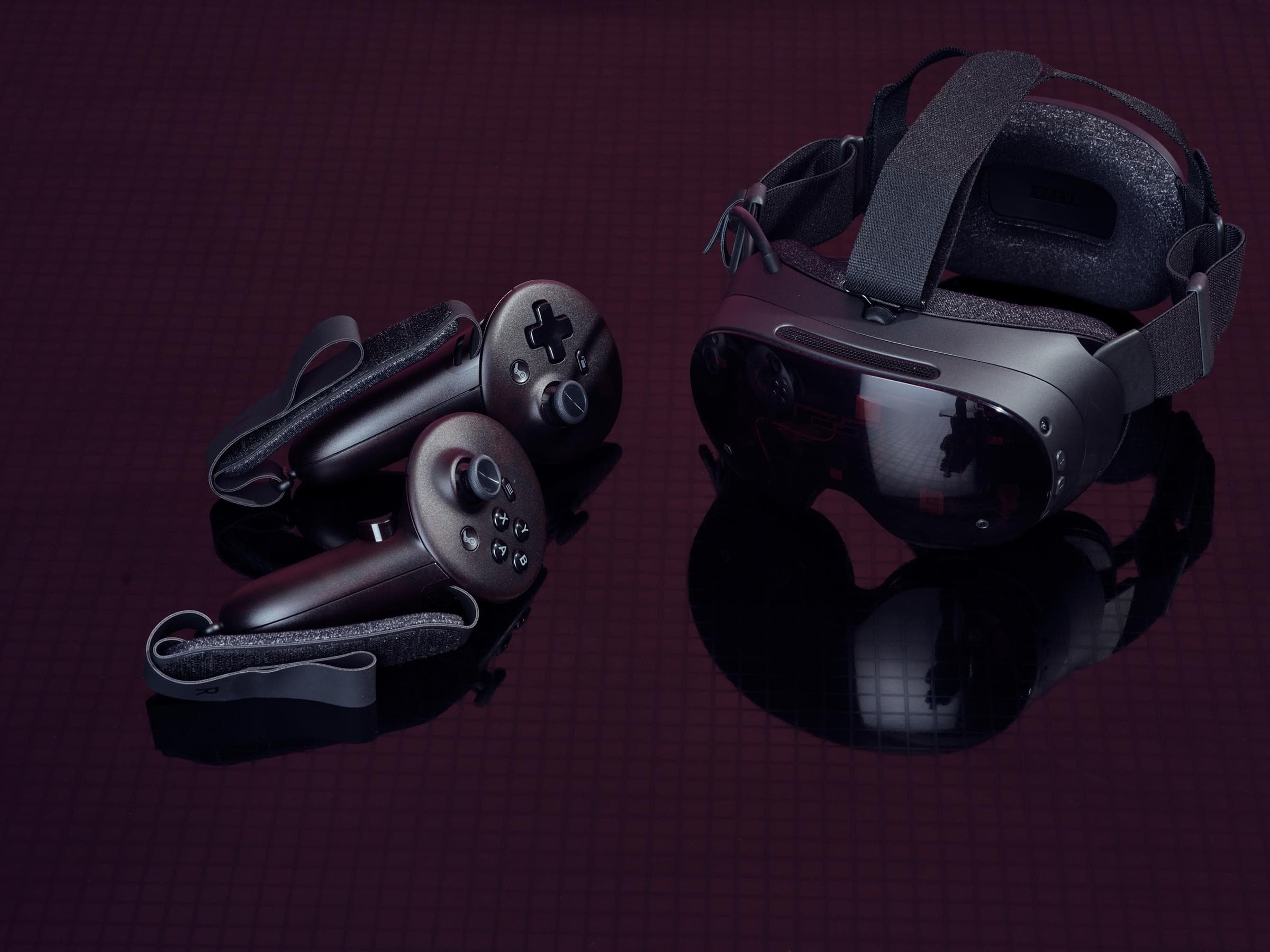
The split design with the rear battery pack and the front lens housing is a game-changer.
Kyle Orland
The split design with the rear battery pack and the front lens housing is a game-changer. Kyle Orland
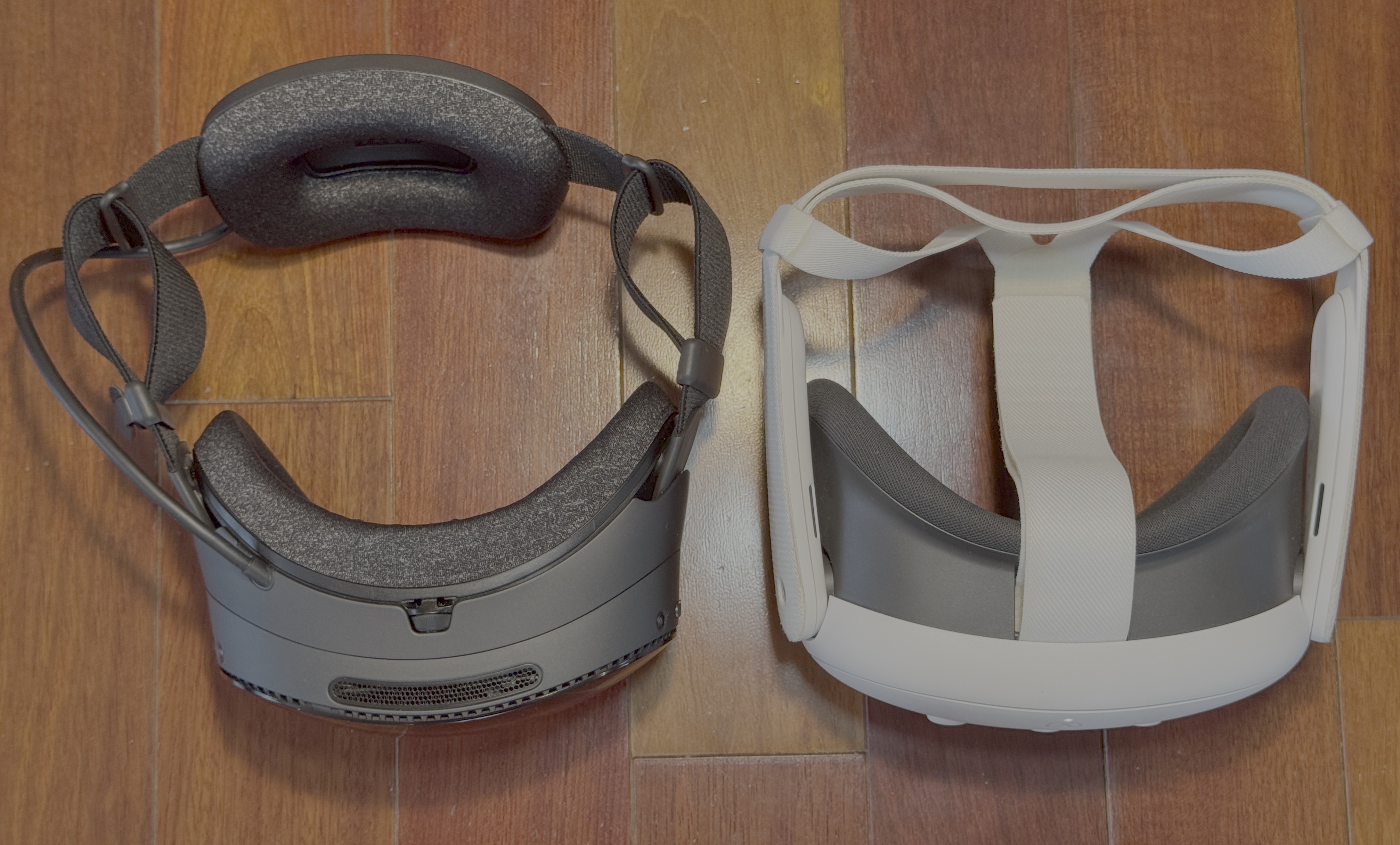
A comparison shot with the significantly less comfortable Meta Quest 3S (right).
Kyle Orland
A comparison shot with the significantly less comfortable Meta Quest 3S (right). Kyle Orland
The split design with the rear battery pack and the front lens housing is a game-changer. Kyle Orland
A comparison shot with the significantly less comfortable Meta Quest 3S (right). Kyle Orland
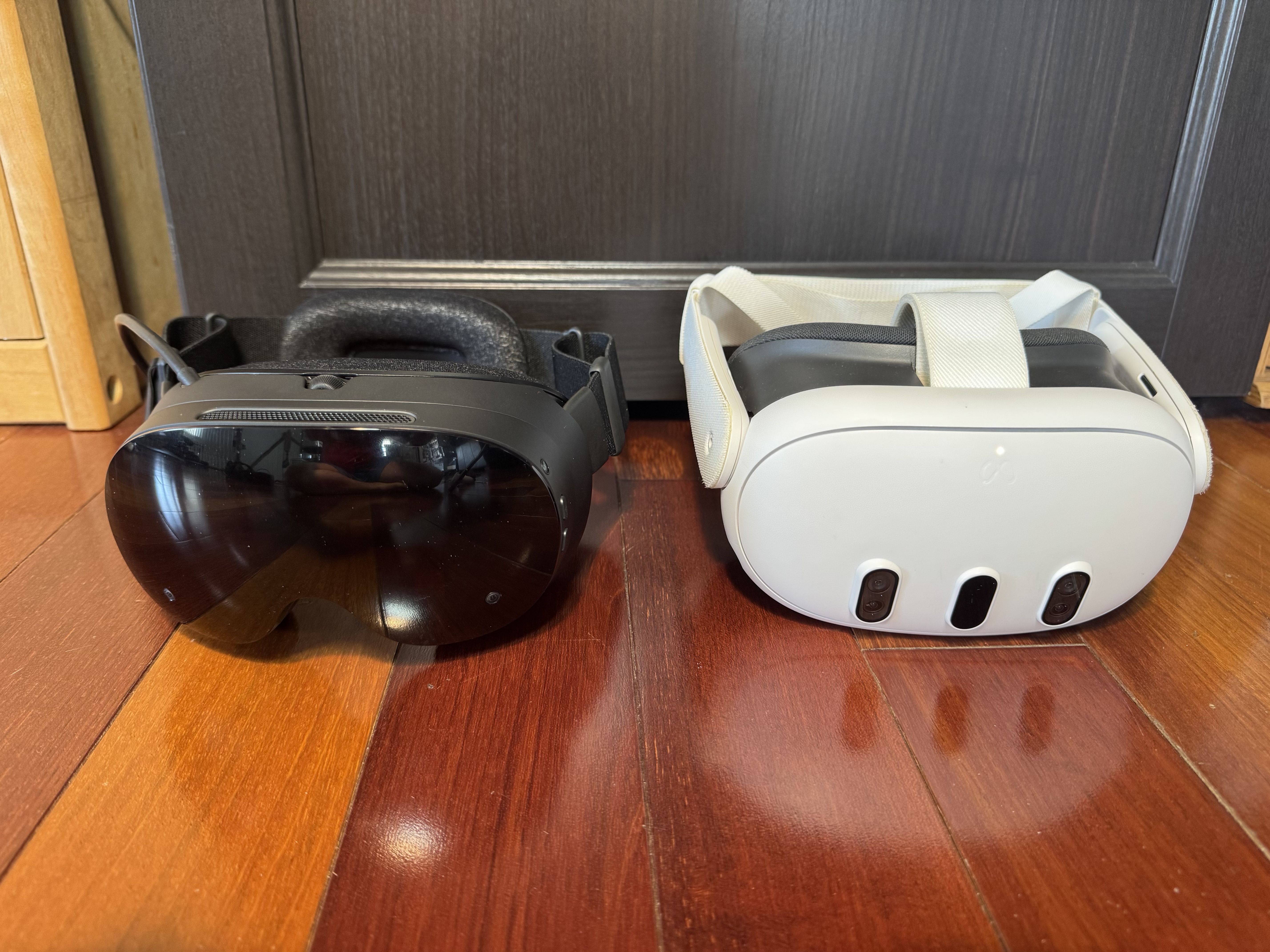
The prominent nose cutout for the Steam Frame (left) is a strong design and comfort choice.
Kyle Orland
The prominent nose cutout for the Steam Frame (left) is a strong design and comfort choice. Kyle Orland
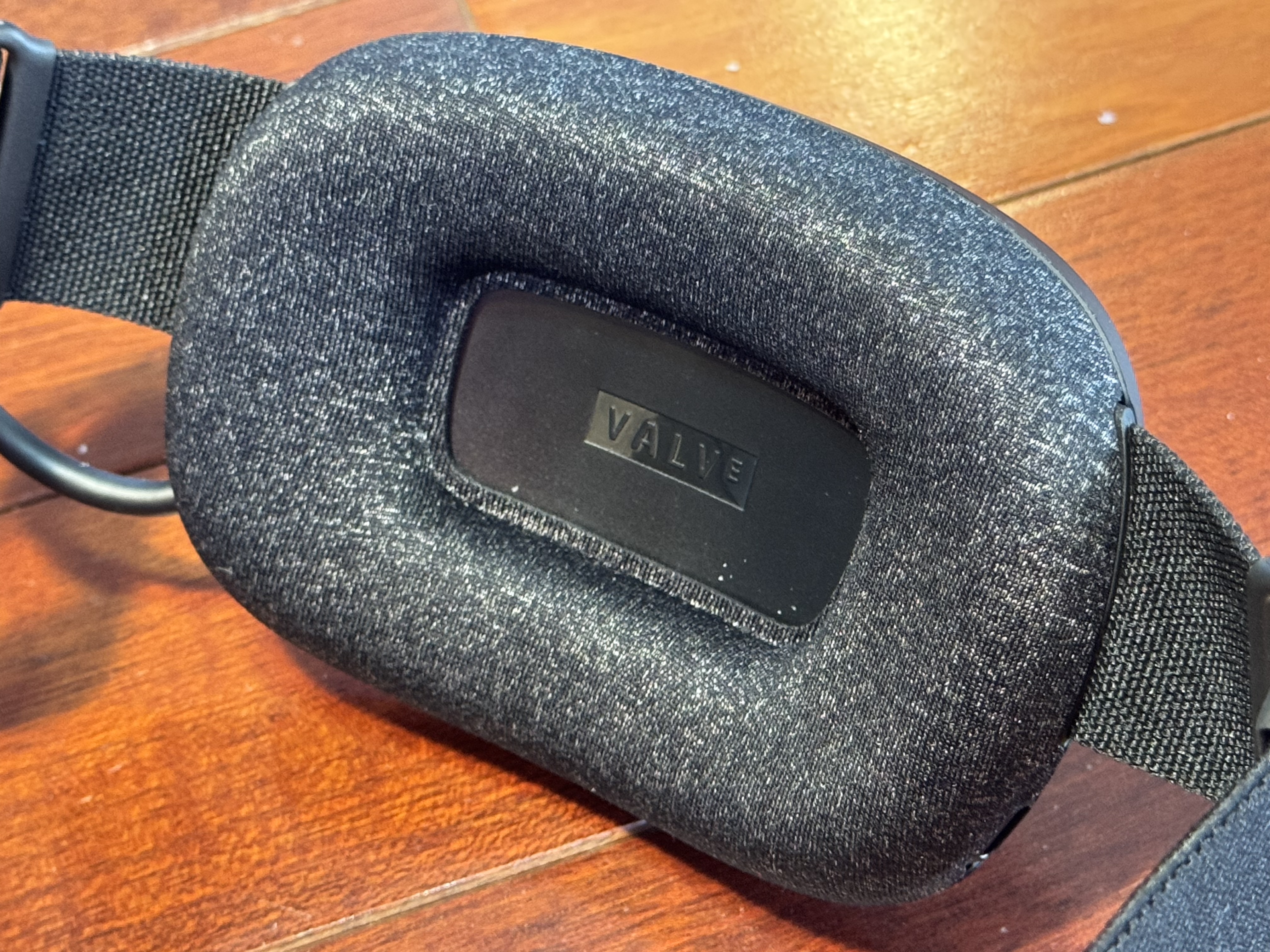
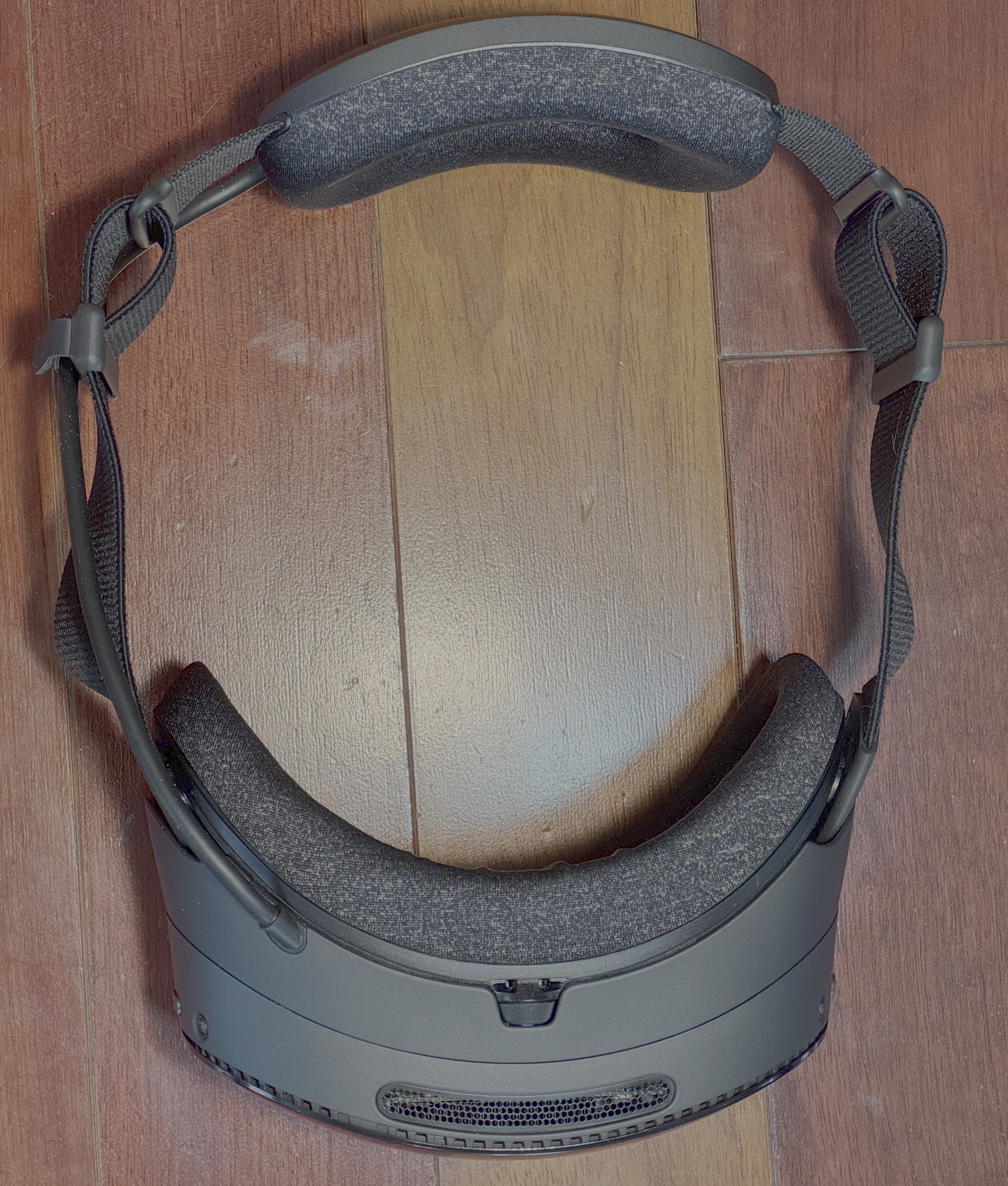
Close-up of the cushioned, curved battery pack that sits on the back of your skull.
Kyle Orland
Close-up of the cushioned, curved battery pack that sits on the back of your skull. Kyle Orland
The prominent nose cutout for the Steam Frame (left) is a strong design and comfort choice. Kyle Orland
Close-up of the cushioned, curved battery pack that sits on the back of your skull. Kyle Orland
If anything, that “all in” weight overstates how heavy the Steam Frame actually feels on your head, though. That’s because roughly half the weight is contained in a curved, cushioned, 21.6 Wh battery that tucks in behind your skull, attached to the back of a thick, stretchy headstrap. The remaining “core” lens-and-compute housing is noticeably less front-heavy than any other VR headset I’ve tried. Combined with the counterbalance of the battery in the back, the Steam Frame never feels like it’s pulling your head forward or threatening to fall down the bridge of your nose as many heavier, less balanced headsets can.
Yes, the “ski goggle” fit of that lens housing does still put a little pressure against your cheekbones and forehead, effectively trapping heat and sweat during more active VR experiences. But while we’re still a far way from “forget it’s there” territory, you’re much less likely to feel the Frame shifting uncomfortably on your face as you move your head around in VR. I had no trouble wearing the Steam Frame across hours-long sessions without the need for a comfort break.
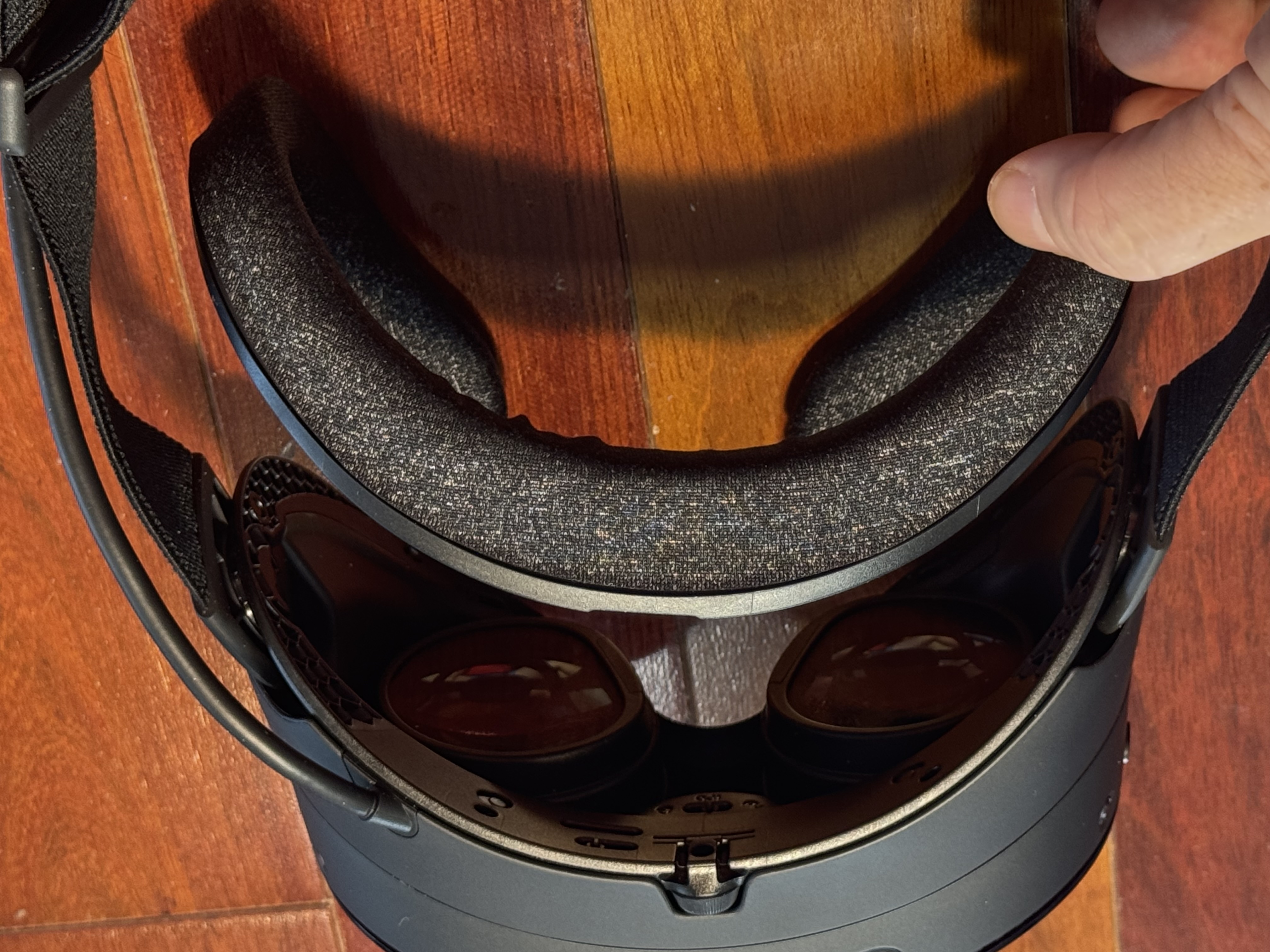
The front eye cushion (and an included spacer) attach magnetically for easy removal and replacement.
Kyle Orland
The front eye cushion (and an included spacer) attach magnetically for easy removal and replacement. Kyle Orland
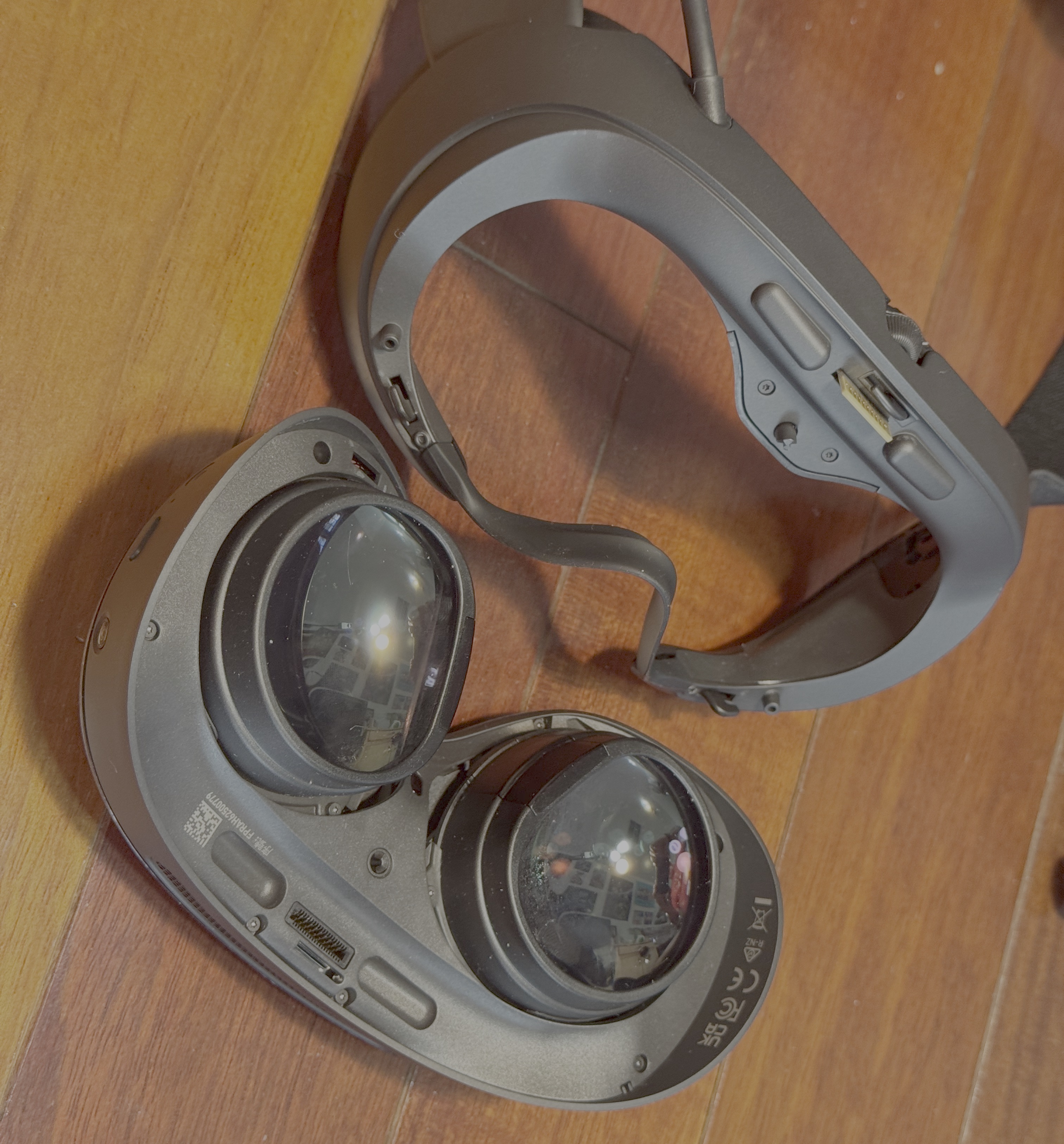
The entire lens and compute “core” can be removed for easy access to the nose guard and straps.
Kyle Orland
The entire lens and compute “core” can be removed for easy access to the nose guard and straps. Kyle Orland
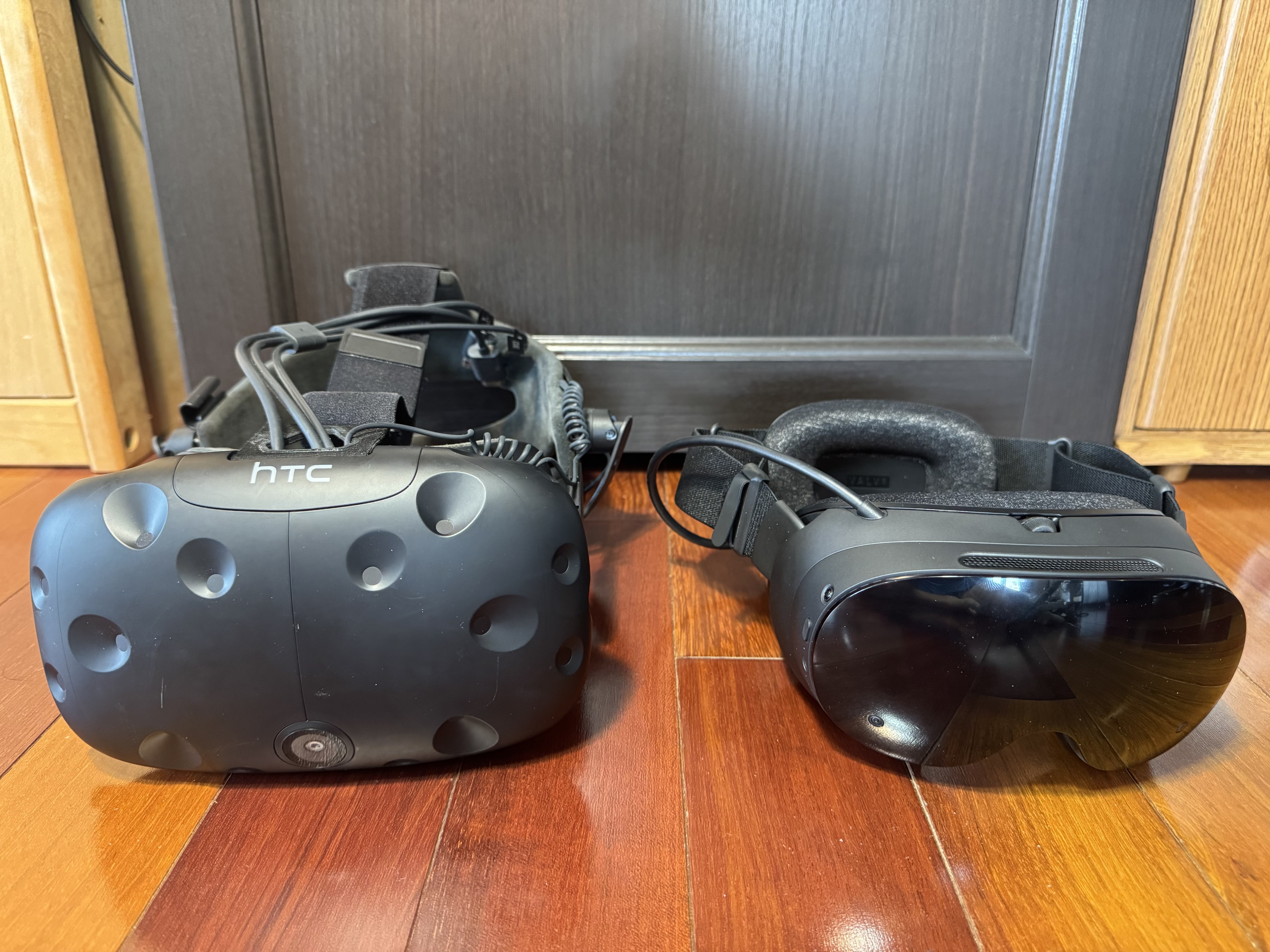
SteamVR headsets circa 2016 (left) and 2026 (right).
Kyle Orland
SteamVR headsets circa 2016 (left) and 2026 (right). Kyle Orland
The entire lens and compute “core” can be removed for easy access to the nose guard and straps. Kyle Orland
SteamVR headsets circa 2016 (left) and 2026 (right). Kyle Orland
The only major downside of the Frame’s design is that the “battery bump” on the back of your skull can get in the way if you try to lean your head back against a headrest during seated play. Glasses-wearers should also be aware that the headset pushed noticeably against my thin corrective frames while I wore them inside the Frame, even with an included magnetic spacer. Hopefully, a third-party accessory maker will come up with a thicker spacer to help glasses-wearing Frame players out.
Plug vs. stream
On paper, the Steam Frame has all the specs you’d want from a modern virtual reality headset. The pancake optics display maxes out at 144 Hz and 2160 x 2160 resolution per eye, offering a relatively luxurious 110-degree field of view that limits the “tunnel vision” effect seen on earlier headsets. Outward-facing cameras provide “inside-out” tracking that doesn’t require setting up the bulky base stations needed for previous Steam VR devices while also letting you see a grainy image of the room around you without taking off the headset.