The iPhone 18 Pro's Rumored Camera Upgrade, Explained
Apple's upcoming iPhone 18 Pro and iPhone 18 Pro Max are expected to feature a variable-aperture camera. The upgrade has been rumored repeatedly and would be a first for Apple's smartphone lineup, but what would it actually change for everyday users? An aperture is the opening inside a camera lens that lets in light. A natural comparison would be the pupils of your eyes, which open wider in the dark and become smaller in bright conditions. Current iPhone cameras have an opening that's fixed to t
Apple's upcoming iPhone 18 Pro and iPhone 18 Pro Max are expected to feature a variable-aperture camera. The upgrade has been rumored repeatedly and would be a first for Apple's smartphone lineup, but what would it actually change for everyday users?
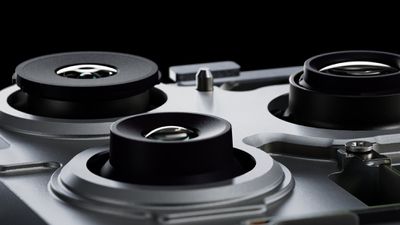
An aperture is the opening inside a camera lens that lets in light. A natural comparison would be the pupils of your eyes, which open wider in the dark and become smaller in bright conditions.
Current iPhone cameras have an opening that's fixed to the one size. To compensate for this, the iPhone adjusts other settings and uses software processing to brighten or darken the image. By contrast, a variable aperture would give the device mechanical control over the amount of light entering the camera.
The biggest improvement – and the one you're most likely to notice first – would be smoother-looking video when shooting outdoors. In bright sunlight, the existing camera on an iPhone has to capture each frame very quickly to avoid an overexposed image, which can sometimes make movement look unnaturally sharp or jerky.
In contrast, the iPhone 18 Pro's variable aperture camera would typically make the lens opening smaller to limit the amount of light that gets in. Doing so should prevent washed-out highlights and allow the camera to record movement with more natural-looking blur. Photos taken in good lighting could also appear sharper, especially around the edges. Not only that, Portrait Mode photos that use the "bokeh" effect should also look more realistic, as opposed to looking rendered computationally.
It's still unclear whether users will control the aperture themselves or whether the iPhone will adjust it automatically. That's a big question mark, since it should determine whether it becomes a hands-on photography tool or a built-in feature that simply makes photos and videos look better behind the scenes.
We should learn the answer to this question in the coming months. Apple is expected to debut the iPhone 18 Pro and iPhone 18 Pro Max in September, alongside its first foldable iPhone.
Originally published on MacRumors