The US government's robot ban also includes vacuums
Robots apparently don't need to be bipedal to be caught up in the FCC's new foreign-made robot ban.
The US government's robot ban also includes vacuums
Robots reportedly don't need to be bipedal to be caught up in the FCC's new foreign-made robot ban.
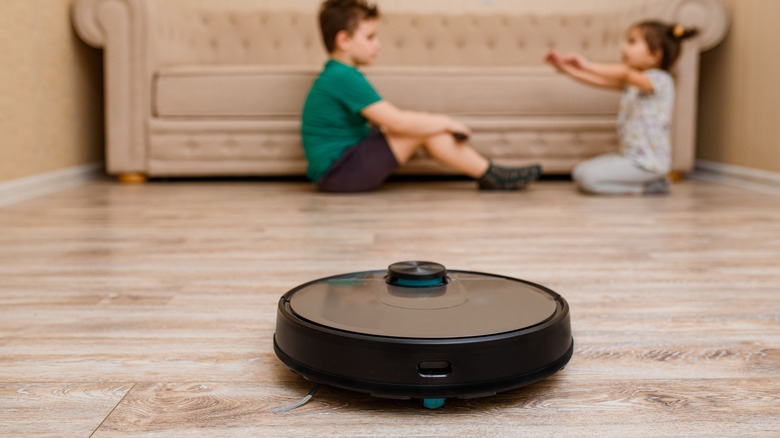
The Federal Communications Commission's recently announced ban on foreign-made robots and power inverters also extends to robot vacuums, The Verge reports. Based on a statement provided to the publication by the FCC, the Commission's ban on robots covers new robot vacuum cleaners because they technically fit the ban's (admittedly broad) definition.
Engadget has contacted the FCC for confirmation that robot vacuum cleaners are included in the ban. We'll update this article if we hear back.
The FCC defines "advanced robotic devices" as a software-controlled autonomous robot that can perceive its environment, weighs more than 4.4lbs (inclusive of its dock), travels across the ground and offers wireless connectivity. As The Verge notes, that description could fit a wide range of devices, many of which don't come to mind when you think of the bipedal robots that are currently all the rage in Silicon Valley.
The ban on foreign-made power inverters is similarly broad. Based on the FCC's definition, it seems like any foreign-made portable battery with an AC outlet and a companion app could theoretically fit the bill. That could put accessory makers like Anker and others in a difficult situation.
Like the ban on wireless routers, robot vacuums that are currently available in the US can continue to be sold, but any new model will require the company to apply for a waiver. And because the vast majority of robot vacuums aren't manufactured in the US — companies like Dreame and Roborock are Chinese, for example — the whole industry could be impacted.
There are potential security risks in owning a device that can autonomously map and navigate your home. Considering the FCC isn't concerned about existing robot vacuums, though, it's not clear how the ban improves security beyond inconveniencing the companies offering these products in the US.
Originally published on Engadget