Expectations for Tim Cook were almost impossibly high when he stepped in to replace Apple’s visionary cofounder in 2011. He inherited a company on a blockbuster run, after Steve Jobs returned and revitalized the Mac, launched the iPod, and oversaw the launch of the iPhone.
Tim Cook’s Apple: his 10 biggest wins and misses
Expectations for Tim Cook were almost impossibly high when he stepped in to replace Apple's visionary cofounder in 2011. He inherited a company on a blockbuster run, after Steve Jobs returned and revitalized the Mac, launched the iPod, and oversaw the launch of the iPhone. Now, after 15 years in the CEO role, Tim Cook […]
t
tech4you AINow, after 15 years in the CEO role, Tim Cook is stepping down. He’s replaced today by hardware leader John Ternus. Over the course of Cook’s tenure, Apple accomplished a lot, with the launch of plenty of new products, features, and services that the company just wouldn’t be the same without. There were plenty of ups and downs, but Cook helped cement the company as one of the most profitable tech companies on the planet.
Here’s a look back at Cook’s legacy — including his biggest wins at the company and his biggest misses.
Win: Growing Apple’s services business
When Cook became CEO, he had a strange problem: The iPhone was so successful that it made up half of Apple’s revenue, and he needed to diversify. To do this, Cook turned to Apple’s services business, which began ramping up with the launch of the App Store in 2008. Under Cook, it has grown into a massive source of revenue for the company, topped only by sales from the iPhone. Though Steve Jobs originally announced iCloud in June 2011, Cook oversaw its launch after taking over as CEO just months later.
Apple’s services business continued to grow since then, with Cook launching Apple Pay in 2014, followed by Apple Music in 2015. The company later revealed a flurry of new services in 2019: Apple TV, Apple Arcade, Apple News Plus, and its own credit card. It even debuted its own Fitness Plus workout subscription, along with an Apple One plan that bundles all of its services together.
Last year, Apple reported earning $100 billion from all of its services combined.
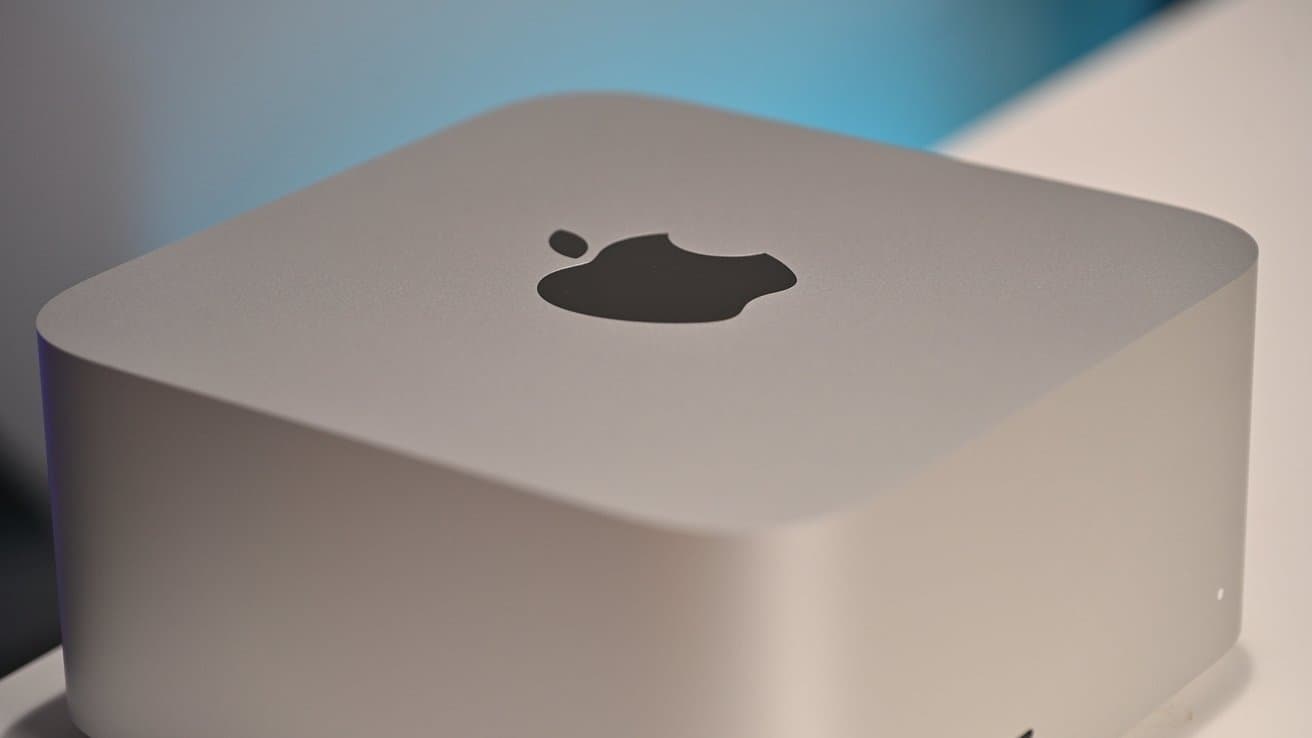
While at the helm, Cook led an initiative to transition Macs away from Intel chips and onto Apple’s own custom processors. The transition could have been a disaster: The hardware could have been weaker, the software could have suffered from years of sluggish work from developers — both realities experienced when the Windows world tried to make a similar transition to Arm-based chips.
Instead, Apple began the switch in 2020 after revealing its own ARM-based chip, the M1, which exceeded expectations following its debut in the MacBook Air, MacBook Pro, and the Mac mini. The chips have continued to give Apple a performance edge and free it from the sometimes rocky Intel development cycle. Since then, Apple has released six generations of its M-series chips, with the most recent M6 being the company’s first built on the more efficient 2-nanometer process. Apple officially finished its switch away from Intel in 2023.
Aside from its in-house Mac chips, Apple also launched its first 5G modem in the iPhone 16E under Cook.
Win: Apple’s foray into wearables and health
In the years after Cook became CEO, Apple expanded its product lineup beyond the iPhone, Mac, and iPod. Cook led the launch of the Apple Watch in 2015, which has gone from a companion device for the iPhone to an advanced health-tracking wearable with the ability to take ECGs, flag irregular heartbeats, and detect sleep apnea.
Apple also became one of the first major tech companies to launch wireless earbuds with the release of the AirPods in 2016. The company even managed to incorporate health-focused capabilities into its earbuds, as it introduced an FDA-authorized hearing aid feature with the AirPods Pro 2 and added built-in hearing protection. Cook himself acknowledged Apple’s impact on user health, saying during a 2019 interview: “...If you zoom out into the future, and you look back, and you ask the question, ‘What was Apple’s greatest contribution to mankind?’ it will be about health.”
Win: Making Apple the first US company to hit a $1 trillion market cap
In 2011, Apple was ascendant, riding high on the first few generations of the iPhone. Cook took the reins and capitalized on the momentum, transforming the company into a market-dominating powerhouse. In 2018, Apple became the first US company to reach a market capitalization of more than $1 trillion. The company has since hit $2 trillion, $3 trillion, and $4 trillion market cap milestones, as Cook’s leadership and command of the supply chain propelled the company to higher profits.
Win: Fighting for user privacy
Apple made headlines in 2015 after refusing to build a backdoor into the iPhone 5C belonging to one of the shooters in the San Bernardino terrorist attack on privacy grounds. At the time, Cook published a letter to customers, saying the government’s request is an “unprecedented step which threatens the security of our customers” and would have “implications far beyond the legal case at hand.”
The company is now in a similar fight in the UK, where it’s pushing back on demands to build a backdoor into encrypted iCloud user data, and recently filed another legal challenge against the request. Aside from these fights, Apple has introduced a number of privacy-focused features under Cook, including Private Relay and Advanced Data Protection, and a Private Cloud Compute system to protect AI queries.
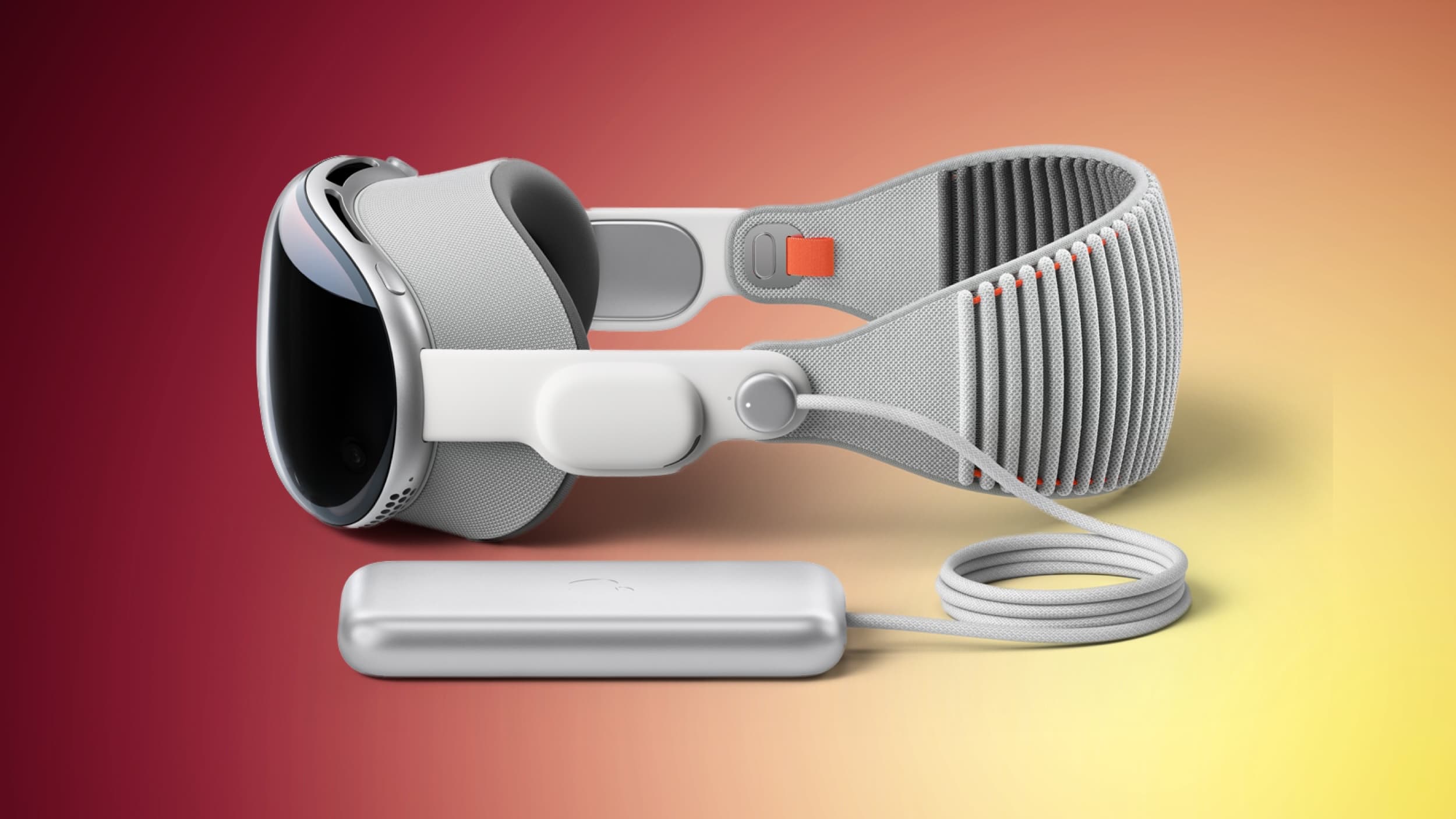
Though Cook may have been successful in introducing Apple into the wearables space, the same can’t be said for the company’s entry into virtual reality. The Apple Vision Pro launched in 2024 and aimed to change the way you interact with tech by putting apps on your face. But the $3,499 price tag and limited use cases didn’t set it up for mainstream adoption.
The Financial Times reported in December 2025 that Apple cut Vision Pro production and marketing due to “weak sales.” Apple also laid off staff who worked on the Vision Pro, while “largely shutting down” a team dedicated to gaming on the headset, according to Bloomberg.
Miss: The Apple Car that never was
For years, Apple remained tight-lipped about Project Titan, its long-rumored initiative to build a self-driving vehicle. Reports suggest Apple had been working on an autonomous car since at least 2014, as the company continued to drop hints about the project. Cook said in 2017 that Apple is “focusing on autonomous systems,” adding that “clearly, one purpose of autonomous systems are self-driving cars.”
This never panned out. After spending more than $10 billion on Project Titan, Apple officially scrapped the idea and disbanded the 2,000-person team behind the project, Bloomberg reported at the time.
Miss: Siri and Apple Intelligence struggles
Shortly after taking over as CEO, Cook introduced Siri. In time, its limited capabilities began to lag behind rival voice assistants, often struggling to answer simple questions. Apple outfitted Siri with a more natural-sounding voice and made other improvements over the years but never quite delivered on the original promise.
Apple’s plan to upgrade Siri with AI was supposed to mark the assistant’s transformation into something actually useful — except it didn’t go as planned. Apple initially took the wraps off a more conversational Siri in June 2024, but later delayed its launch, saying in March 2025 that it’s “going to take us longer than we thought” to deliver promised features, like the ability for Siri to control apps on your behalf. The development drama didn’t end there, as Apple replaced AI chief John Giannandrea and agreed to pay $250 million for allegedly misleading customers about AI Siri. The AI-upgraded Siri, powered by a custom version of Google Gemini, is now on track to launch this fall — more than two years after it was announced.
Miss: App Store monopoly mishaps
In 2020, Epic Games sued Apple after the iPhone maker removed Fortnite from the App Store for directing users to Epic’s own payment processor. The lengthy legal battle that ensued shone a light on the lengths a Cook-controlled Apple would go to keep its control over the App Store — and the commission it earns from in-app purchases.
App store regulations in the European Union only amplified this, as Apple introduced a convoluted carveout for developers wanting to distribute apps on alternative app stores. The company says it has since “resolved” a disagreement with the EU over its policies, but the struggle to get it to comply speaks to just how much Apple has come to rely on App Store revenue. And while Apple may not mind tussling with regulators, the strict policies have for years frustrated developers on its platform — an audience that’s important to Apple’s success.
Miss: The rocky release of Apple Maps
Apple Maps was a buggy mess following its launch in 2012. As The Verge reported at the time, map details were missing across the US, while other cities like London, Beijing, and Tokyo were “virtually blank” and major landmarks “labeled inaccurately or wildly misplaced.” Cook issued a public apology as the company worked to fix issues across the app.
Eddy Cue, Apple’s head of services, said in 2016 that the disastrous launch of Maps led to the company’s decision to test updates in a public beta first.
This launch may have been a disaster, but the turnaround has been one of the successes of Cook’s tenure and speaks to his ability to operate the company so effectively. Apple Maps has slowly and steadily improved to the point where it’s now a great component of the iPhone.
What Cook’s still on the hook for: Managing Trump
Apple’s relationship with President Donald Trump has both helped and hurt the company. Currying favor with the Trump administration has helped Apple avoid steep tariffs, but it’s also appeared at odds with the company’s values on diversity, racial equity, and the environment — and it’s regularly required “Tim Apple” to put himself in embarrassing positions for the sake of the company’s bottom line
During Trump’s first term, Cook showed the president around a factory that the president incorrectly took credit for opening. During Trump’s second term, Cook gifted the president an engraved piece of Corning glass with a 24-karat gold base.
As executive chairman, Cook will still be on tap to handle Apple’s relationship with Trump.
Follow topics and authors from this story to see more like this in your personalized homepage feed and to receive email updates.
Originally published on The Verge