 July 20, 2007: Just a month after the original iPhone goes on sale, a hacker compiles the first third-party app and launches it for the new platform. The Hello World app serves more as a proof of concept than a serious tool. However, it clearly demonstrates that third-party apps will become a cornerstone of the new iPhone economy.
It’s a shame Apple doesn’t get the memo.
Hello, World! programs and the Hello World app
“Hello, world!” programs are simple demos used to show off a new programming language or exhibit the possibilities of a new platform. The first such software reportedly came from a 1974 internal memo from Bell Laboratories about coding using the lab’s then-new C programming language.
The Hello World app from 2007, which simply flashed words on a screen, gave many users their first peek at the iPhone’s future.
It also seemed like a nice nod to the past. It recalled a tradition born of the original Macintosh 128K demonstration two decades before.
When Apple co-founder Steve Jobs debuted the Mac in January 1984, he showcased a text-to-speech ability that let the computer say, “Hello, I’m Macintosh.” And when Jobs returned to Apple in the late 1990s, the slogan chosen for the breakthrough iMac G3 was “Hello (Again).”
Given the iPhone’s focus on connectivity and communication, expanding “Hello” to “Hello World” seemed logical.
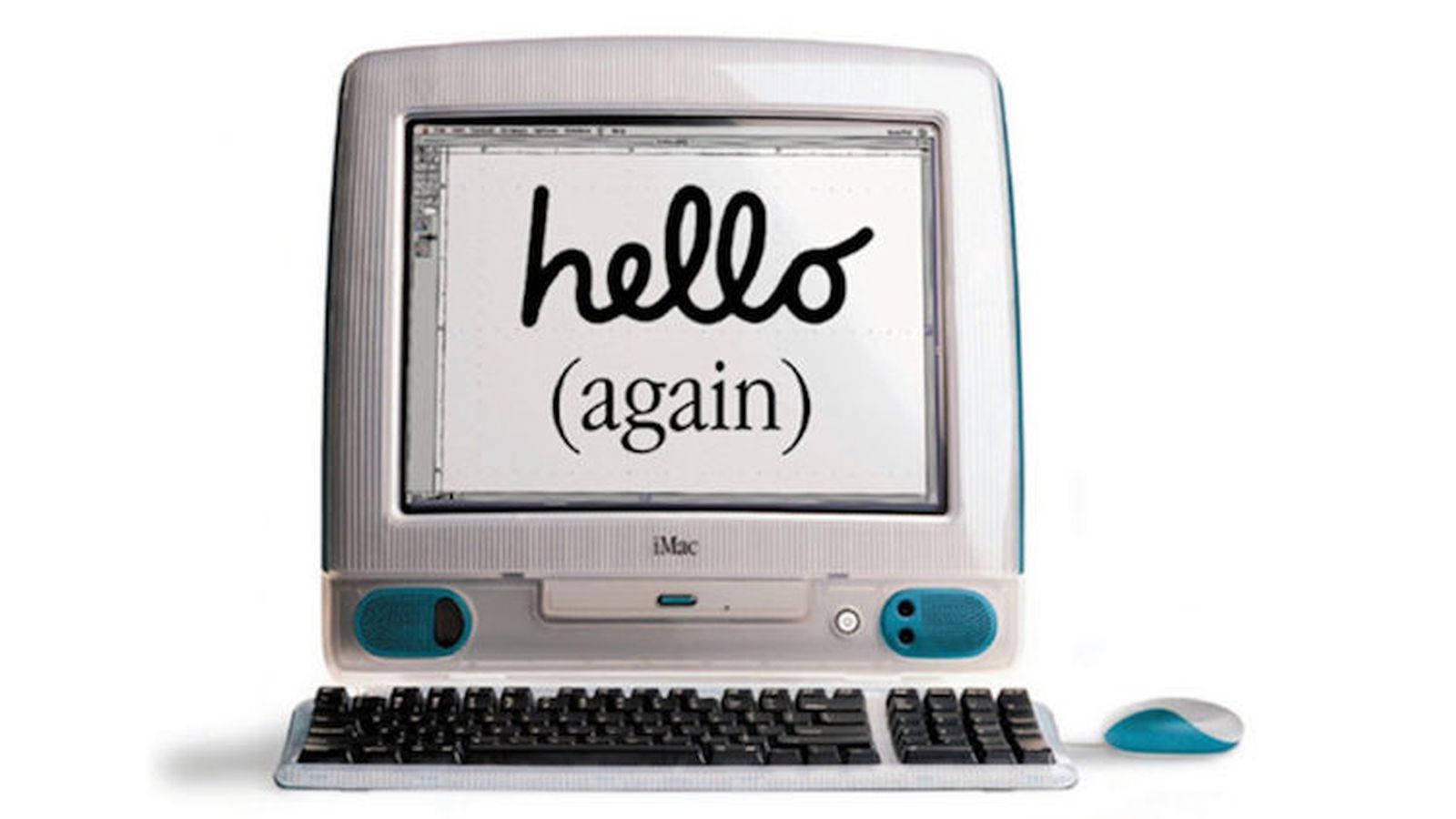
Photo: Apple
Hello World and the rise of native iPhone apps
A hacker going by the name Nightwatch developed the Hello World app that showed off the iPhone’s potential. The simple demo became big news at the time because Apple had not launched the App Store, released an iPhone software development kit or even bothered to say whether these moves were in the cards.
Inside Apple, a debate raged about the iPhone. Should it become a generative platform, with third-party apps that could unlock the device’s potential, or remain locked down? The main defender of the second option was Jobs. He feared that allowing developers to build native apps for the iPhone would sound the death knell for quality.
Jobs didn’t back down until early 2008. A few months later, Apple opened the doors to its iOS App Store.
The world of janky web apps was coming to an end. Real native apps were on their way!
The App Store: A stroke of genius for Apple
The decision proved brilliant. In 2025, the App Store generated a record $1.4 trillion in developer earnings worldwide, according to Apple. The year before that, Apple estimated the “app economy” generated $406 billion in business in the United States alone.
In fact, less than two decades after the Hello World app arrived, the App Store has proven so successful that it’s drawn the attention of antitrust regulators in the United States and around the world.
Europe’s Digital Markets Act, passed in 2022, brought sweeping changes to the App Store (and thus the iPhone itself). That includes sideloaded apps and alternative app stores, among other things.