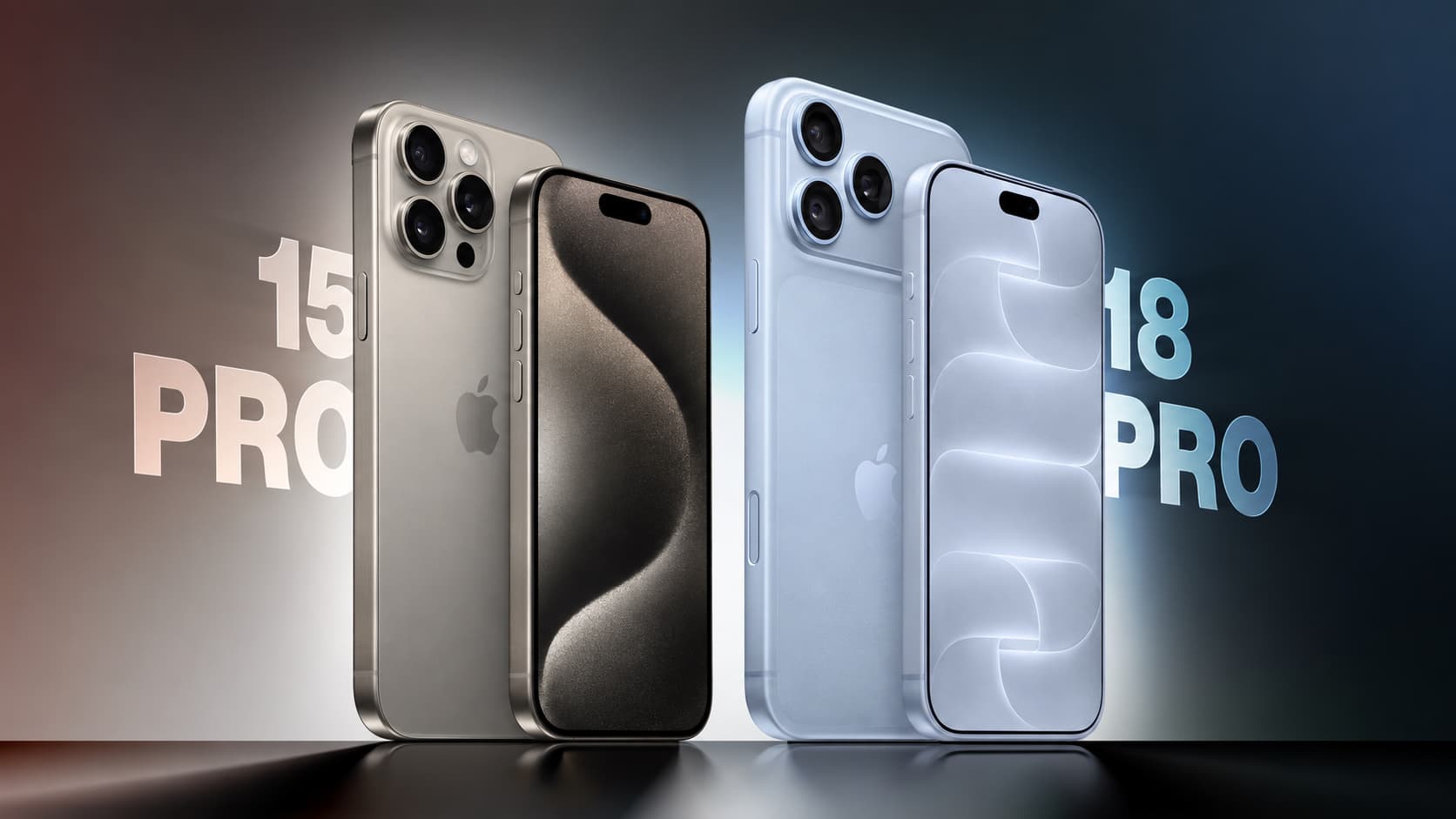
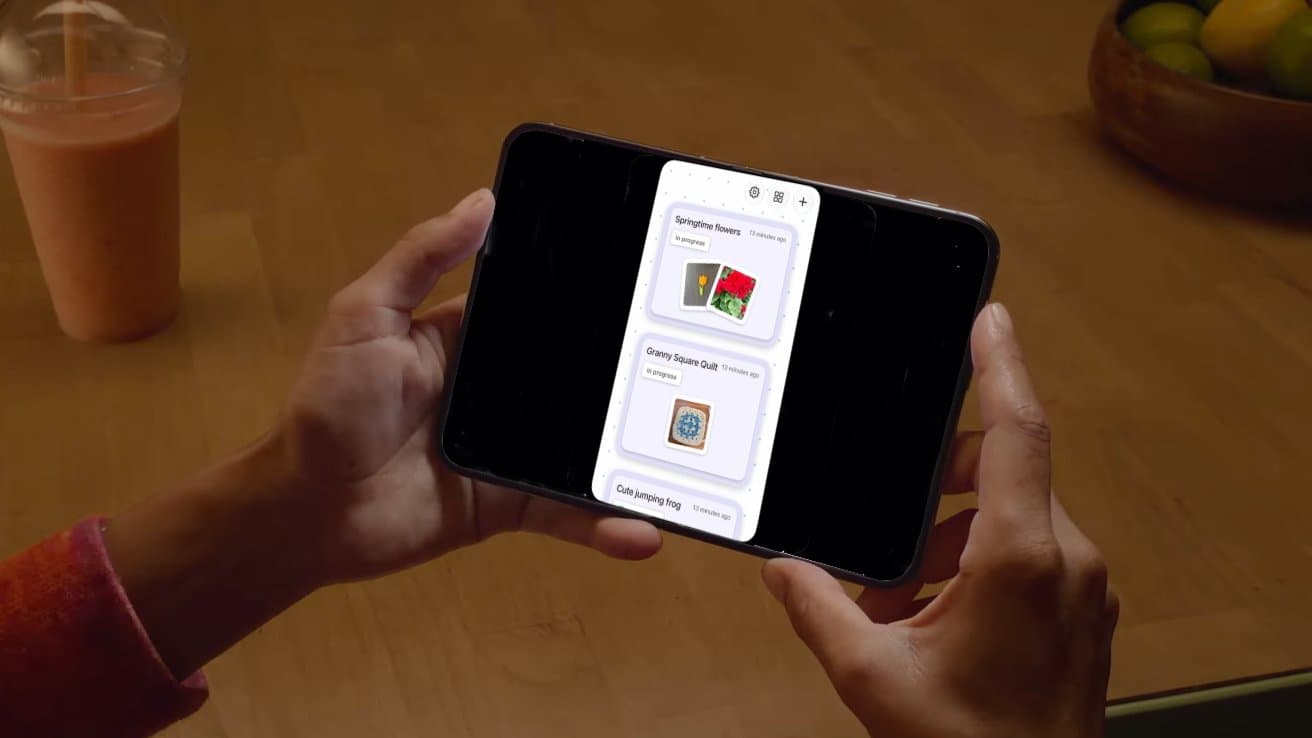
The iPhone Duo manages to balance some compromises with unique features that make it a much better option than the iPhone Air. Here's what you don't get in the folding iPhone, and what offsets those losses.
The iPhone Air created a fork in Apple's lineup that gave users a premium choice that wasn't "pro." However, some users complained that it may have cut too many corners to achieve its thin and light design.
For the past year, the conversation around iPhone Air has been primarily about what it lacked. While I believe the iPhone Air is a perfectly fine iPhone, I think the iPhone Duo did a much better job addressing user needs.
The iPhone Air battery complaints were overblown, it basically has the same battery life as the iPhone 16. The camera also was just fine, if nothing to brag about.
iPhone Duo, however, gives more back than what had to be taken away. I've already detailed why I believe the iPhone Duo camera system will be more than adequate for most users, but I wanted to discuss its compromises a little more broadly.
The thing is, there's really not much to discuss.
iPhone Duo isn't just thin for the sake of it
If you're someone that complains about the iPhone Air, you might comment that the thinness was completely unnecessary. I've seen people suggest that a bit more thickness for grip and additional battery life would have made it a better iPhone.

iPhone Air is the spiritual precursor to iPhone Duo
The thinness was the point.
Apple built iPhone Air because it could. It was clearly a testbed for what was coming next.
The iPhone Duo is even thinner than the iPhone Air, though still not thinner than the iPad Pro. That thinness means it is impossible to include a long-range telephoto camera.
Apple also likely struggled to include the necessary sensors for Face ID on multiple sides of the device. There just wasn't enough space, and every bit of space was needed for the two batteries.
However, the thinness serves a purpose with iPhone Duo. When open, it's thinner than iPhone Air at 0.21 inches versus 0.22 inches, but when it is closed it's 0.44 inches, which is only a tenth of an inch thicker than an iPhone 18 Pro Max.
iPhone Duo isn't the thinnest foldable out there, but its titanium frame, 10-layer inner display, and 24-hour mixed-use battery life contribute to that. Apple could have likely gone thinner or lighter, but at the sacrifice of build strength and quality.
Since this is the first folding iPhone from Apple, the company likely went more conservative than it had to. Expect future models to push the limits of what's possible, as some foldables are so thin they're nearly too thin for a USB-C port.
iPhone Duo has MagSafe after all
At one point the rumor mill seemed confident that the iPhone Duo wouldn't have MagSafe capabilities. That would have meant an absence of magnetic charging and ecosystem accessories.

iPhone Duo has MagSafe, but it's going to need new accessories
Obviously, that didn't come to pass. I had initially been concerned that the device's weight or shape might be awkward for some stands, but that also wasn't an issue.
The MagSafe on iPhone Duo is different than on other iPhones — it appears to lack the bottom stabilizing magnet. Or, at the very least, previous MagSafe accessories were made with a longer iPhone in mind.
If you've collected multiple MagSafe batteries and wallets, you might be out of luck with the iPhone Duo. Sure, most will still attach, but the bottom will stick out from the foldable.
This is one of the few most notable compromises users should be aware of when buying an iPhone Duo. Accessory makers will need to design new MagSafe wallets and batteries that fit the new squat design.
Looking around the web, some have already begun offering such accessories. There appears to be enough space for a wallet that can hold a credit card, it'll just need to rethink the size and magnet placement.
Existing stands and accessories that use only the circle part of the MagSafe connection will work fine. I'll be testing all of the accessories in my home and reporting on what's still okay, what doesn't fit, and what's plain weird.
iPhone Duo's lack of Face ID
The lack of Face ID is going to be a sticking point for some people. Apple clearly couldn't get the technology to work in a thin device that had multiple active sides in use.

Apple chose a Touch ID sensor for iPhone Duo since Face ID would have proven difficult
Face ID is more secure than Touch ID, by Apple's own admission, but that doesn't mean it isn't secure. It's just another biometric tool for unlocking your device.
For those that don't like Touch ID, find it cumbersome, wear gloves a lot, don't have all their fingers, or are left-handed, there's a solution. Those that own an Apple Watch will have their device authenticated automatically.
I'll need to test this feature, but I'm certain there are protections that prevent people from unlocking your iPhone just because they're standing next to you. If not, then use this feature at your own risk.
Convenience always compromises security in some fashion.
For me, Touch ID is fine. I've been using Touch ID on the iPad mini for years without issue.
Compared to the ease of use and higher security of Face ID, the use of Touch ID is a compromise. However, I wouldn't consider it a deal breaker by any means.
iPhone Duo's inner display will crease
The final compromise I wanted to point out was the inner display. Given that the display needs to fold, it can't be made of super tough, thick, and durable glass.

No matter how much you baby it, the iPhone Duo inner display will develop a crease
Instead, it's made of "a custom polymer," which is Apple speak for plastic. It's ten layers with tons of stuff in between, including two sheets of glass, but the top layer is nano-textured plastic.
The hands-on with iPhone Duo at Apple Park revealed that the inner display looks and feels great. In spite of the nano texture and non-glass material, Apple seems to have made it look and feel like any other iPhone display, though with a matte cover.
I have the iPad Pro with nano texture, and it's never been a problem for clarity or visibility. In fact, it's quite remarkable how usable it is in broad daylight, which makes me excited for the iPhone Duo.
However, there's no beating physics. The nano texture and display layers will help mitigate the development and visibility of a crease over time, but it's going to develop.
There is no way to know how durable the iPhone Duo inner display is, and I doubt anyone tried to break one during the iPhone event. Don't worry though, YouTube and TikTok will soon be filled with people needlessly breaking the product.
I'm confident that Apple's display will be one of the better ones on a foldable, but that doesn't mean it won't crease. It's the nature of the product, and a compromise made no matter which foldable you buy.
Where iPhone Duo exceeds expectations
Considering an iPhone Air cable connection is limited to USB 2.0 speeds, charges slower than iPhone 17 Pro, has a lesser battery life than similarly-priced iPhones, and has a very limited camera system, I wasn't sure what to expect from iPhone Duo. My concerns were rendered mostly moot by the product reveal.

Many parts of iPhone Duo were unexpected
As I've said previously, the camera system appears to be more than enough for most people, even ones coming from an iPhone 17 Pro. It may not have the new fancy variable aperture or Fusion Telephoto camera, but those systems only benefit the smallest percent of photos.
The following features more than make up for the few compromises iPhone Duo has.
- A20 Pro with vapor chamber cooling
- 24 hours of mixed use between both displays
- 50% recharge in 20 minutes with 60W adapter
- IP68 splash, water, and dust resistance
- Under display FaceTime camera
- Apple Pencil with USB-C support
- New StandBy features
- Smart Take, Duo Preview, and Duo FaceTime
- Custom iOS for new aspect ratios
- A real blue color
The iPhone Duo is an iPhone through and through. It's still Wi-Fi 7, Bluetooth 6, and sports the C2 modem.
The safety features Emergency SOS, Roadside Assistance, and Messages via satellite are still here. Crash Detection also works on iPhone Duo.
I'll admit, I was skeptical that the iPhone Duo would ever make it to market. Apple managed to keep actual hardware from leaking, mostly, even though rumors basically got every spec and measurement correct.
Nothing about my previous musings has changed. Foldables are an expensive niche. They seek to solve a problem that doesn't really exist, but are launching in a market that's craving more than just a roundrect glass panel.

Apple Vision Pro is Apple's future, while foldables are the present
Spatial computing is the more likely future. Given how slow development is there, good foldables can have their day.
The Android foldables I interacted with until now felt slapped together. Android was bolted on, and apps rarely, if ever, acknowledged the form factor (Yes, iOS developers will need to update).
It was easy for me to be skeptical given what had come before. It's still easy. That said, Apple has succeeded in making me interested in a foldable.
Now, time will only tell if it is truly a great experience and one I will want to keep having through future generations of the product.