What is the 60-60 rule for AirPods?
60-60 is a good rule of thumb for protecting your hearing.
What is the 60-60 rule for AirPods?
It's a good rule of thumb for protecting your hearing.
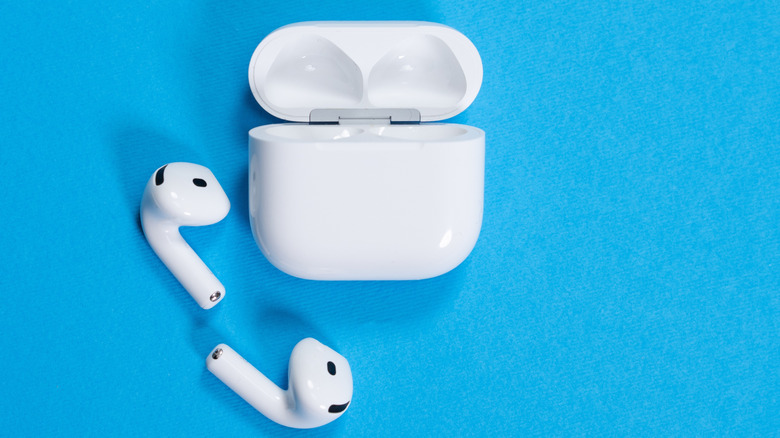
Most people don't think twice about leaving their AirPods in for an entire workday. Podcasts at breakfast, music during the commute, Zoom calls and so on. It adds up fast. While you may realize just how much time you spent with the earbuds on when they start asking to be recharged, what's harder to notice is that hearing damage can add up too.
According to the World Health Organization (WHO), more than one billion young people are at risk of permanent hearing loss due to recreational exposure to loud sounds. Meanwhile, the National Institute of Deafness and Other Communication Disorders (NIDCD) estimates that as many as 17 percent of teens already show signs of noise-induced hearing loss. Hearing loss from headphone use is a genuine public health concern.
And that's why the 60-60 rule exists, trying to prevent a whole generation of adults from replying to every single question with "huh?"
What exactly is the 60-60 rule for AirPods?
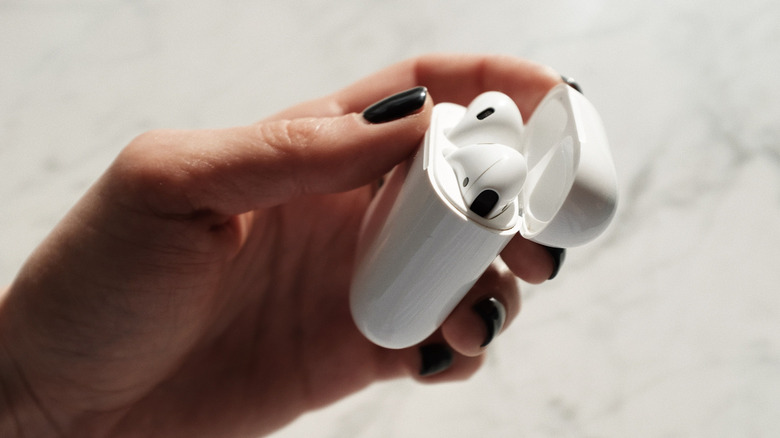
The 60-60 rule is a guideline developed by the audiology community and backed by organizations including WHO, Mayo Clinic and the Hearing Health Foundation. Its two parts are:
The rule is not arbitrary. It's grounded in decades of noise research. The National Institute for Occupational Safety and Health (NIOSH) established that sustained exposure to sounds at 85 decibels (dB) or above poses a significant risk of hearing loss over time. At 60 percent volume, most devices and earbuds output roughly 75 to 85 dB.
At 85 dB, you have roughly 8 hours of safe listening. NIOSH applies what's known as the "3 dB exchange rate," where for every 3 dB increase in sound level, safe exposure time is cut in half. So, if you crank up the volume to 91 dB, you're down to two hours. At 100 dB, which is about 80-85 percent volume on many devices, safe exposure drops to just 15 minutes. AirPods and other similar earbuds can reach 105-110 dB at maximum volume, a level at which hearing damage can occur in a few minutes, according to the WHO.
Your inner ear contains thousands of tiny hair cells that convert sound vibrations into electrical signals for the brain. Prolonged exposure to loud sounds causes these cells to fatigue and, sometimes, to die permanently if the exposure is sustained long enough. Unlike most cells in the body, cochlear hair cells do not regenerate. Audiologists typically recommend a 15-20 minute break after each hour of listening.
How to avoid hearing loss from AirPods?
Knowing the guideline is one thing, putting it into practice is another. Here are a few steps you can take to avoid hearing loss from AirPods.
First of all, set a volume limit on your iPhone. Go to Settings > Sounds & Haptics > Headphone Safety. From there, you can cap the maximum volume. Second of all, make sure you don't dismiss the warnings Apple devices give when sustained listening exceeds safe levels.
You should also consider noise-canceling over-ear headphones because they reduce background noise, lower the temptation to raise volume in loud environments and also function as a socially acceptable "do not disturb" sign.
What are the warning signs of hearing loss?
According to the World Health Organization, the main warning signs include persistent ringing in the ear (also known as tinnitus), difficulty in hearing high-pitched sounds like alarm clocks and doorbells, difficulty understanding speech and difficulty following conversations in noisy environments. Needing to increase volume over time to hear the same content is also a sign that should make you realize you are a few songs away from needing to turn on closed captions for real-life conversations.
What type of headphones is best to reduce hearing loss?
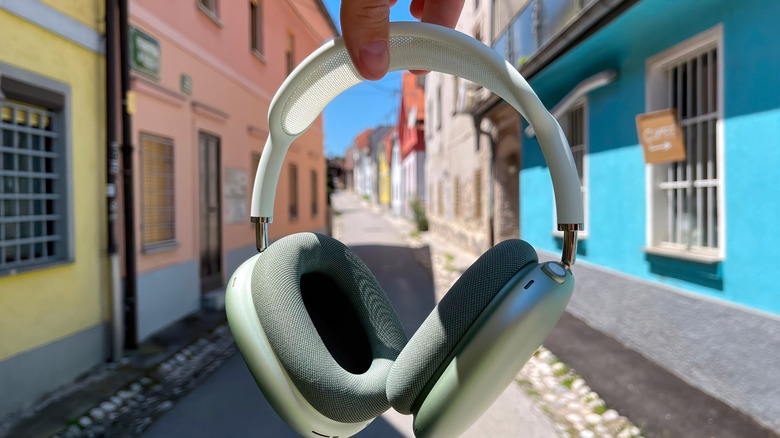
The debate surrounding what type of headphones to use is nuanced. Earbuds deliver sound directly into the ear canal and can push earwax deeper, which may cause blockages that lead to raising the volume. Over-ear headphones, particularly those with noise cancellation, generally allow lower volume settings in noisy environments. The Hearing Health Foundation recommends over-ear options where possible. The AirPods Max, for instance, come with Active Noise Cancellation (ANC) and they're over-ear, checking both boxes.
If you already suffer from hearing loss, the AirPods Pro 2 and 3 earbuds come with over-the-counter hearing aid software authorized by the FDA. You have to take a quick, five-minute hearing test on your iPhone in a quiet room and the app generates an audiogram unique to you. The AirPods then automatically adjust to amplify the exact frequencies you struggle to hear, amplifying phone calls, music, and videos, as well as conversations around you.
Ultimately, the 60-60 rule is less about strict obedience and more about building smarter listening habits before permanent damage sets in. AirPods and other earbuds are extremely convenient, but that convenience makes it easy to ignore just how much strain we're putting on our ears every day. Keeping volume in check, taking regular breaks, and paying attention to early warning signs can go a long way towards protecting your hearing. Missing a lyric is annoying, but missing half of every conversation for the rest of your life is a much bigger problem.
Originally published on Engadget