What's the difference between Android's Qi2 And Qi2.2 wireless charging?
Here's everything you need to know about the current wireless charging standards.
What's the difference between Android's Qi2 And Qi2.2 wireless charging?
There are some key distinctions that make a big difference.
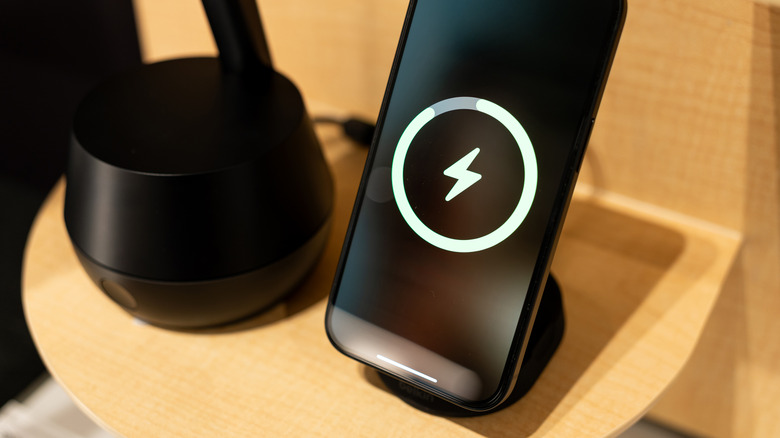
We live in a wireless world, so understanding the different standards at play can help you to maximize the performance of your gadgets and your chargers. For most devices, the wireless charging standard you'll be using is Qi2.
The latest iteration of this is Qi2 25W, also commonly called Qi2.2. It was announced last summer that the new speed would be supported by both iPhones and select Android smartphones. Although Google was slow to adopt Qi2, we're now starting to see Qi2 25W listed as a feature for the next generation of Android phones, including the Pixel 11 lineup announced recently.
So does it matter which version your device supports? There are a couple key distinctions that make Qi2.2 a worthwhile upgrade.
More power, more speed
The difference between Qi2 and Qi2.2 charging comes down to power. Qi2 25W offers 25 watts of power delivery when it's charging a compatible device. Qi2 is capped at 15 watts, so the new standard offers a substantial boost to power.
In practice, that means your device will charge faster if it's using Qi2 25W. With Qi2, your gadgets could take between 50 and 80 minutes to reach 50 percent battery from zero. Qi2 25W, on the other hand, will get you to half battery in about half an hour. Considering wireless charging has traditionally been less efficient than wired, that's a welcome improvement.
An additional benefit to Qi2.2 is improved thermal protection. So if you've ever noticed your phone getting pretty toasty while it's on a wireless pad, the upgrade will be a good one. Even if you can't feel the difference, it might subtly help to extend your phone's lifespan, because the lower peak temperature while charging can help your battery last longer.
All told, Qi2 25W offers a solid improvement over its predecessor, so reap the rewards if your hardware supports this latest power option.
Originally published on Engadget