Can’t understand why the rising cost of memory chips forces a hike in Mac prices? Apple silicon processors include Unified Memory, so Apple has no need to buy RAM chips, right?
No, that is not how it works. Mac processors include RAM that Apple must purchase from outside suppliers.
Still confused? Here’s what’s going on.
Apple blames Mac price hikes on rising memory costs
Apple raised Mac prices on Thursday, and the cost of a range of other products went up, too. It blamed these on the rising cost of RAM and SSDs.
“We’ve never seen component prices increase this much, this quickly,” the company explained in a statement. “We’ve worked hard to absorb these costs and delay price increases for as long as possible, but the current environment has made that unsustainable.”
But then many people took to social media with posts that said something like, “Lies! Apple makes its own processors with Unified Memory, so it’s not affected by RAM prices.”
These comments are based on at least one mistake, and maybe two. Let’s address them one by one.
1. Apple’s Unified Memory is RAM
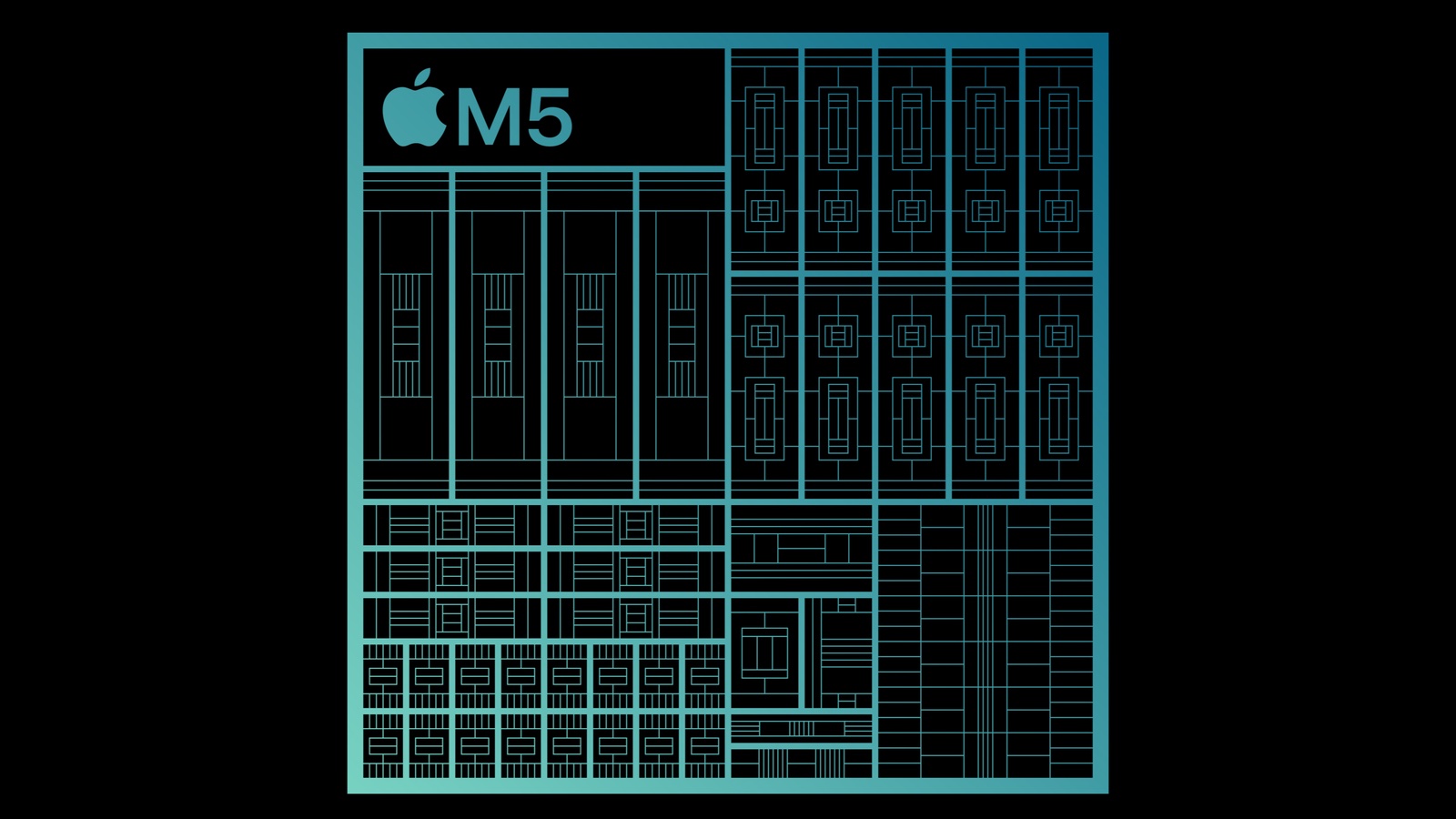
Graphic: Apple
Let’s get the first mistake out of the way because it’s been around for years. M-series processors used in Macs include what Apple calls Unified Memory. Some people think this is completely different from RAM — it is not.
Unified Memory is still RAM, despite the different branding. Apple silicon uses standard LPDDR memory chips similar to those found in other computers, but places them in the same package as the processor and allows the CPU, GPU and other components to share a single pool of memory. This improves performance and efficiency.
Traditional PCs have separate system memory and graphics memory. Apple combines these into Unified Memory… but it’s still RAM.
2. Apple silicon includes memory chips made by specialized companies
The second mistake some people make is thinking that Unified Memory is produced along with the CPU and GPU.
M-series processors are designed by Apple and manufactured by TSMC. However, the Unified Memory built into these processors comes from dedicated DRAM manufacturers rather than TSMC.
As noted previously, these chips are integrated into the same package as the CPU and GPU, creating the Unified Memory architecture. Despite that close integration, the RAM itself is still designed and produced by outside companies that specialize in memory manufacturing.
The same is true for the SSDs used in Macs. Apple relies on NAND flash memory supplied by outside companies.
Multiple companies supply Mac RAM and SSDs
Samsung Electronics, SK hynix and Micron Technology supply the high-speed LPDDR memory used alongside Apple’s processors in Macs of all types. Those same companies plus Kioxia make SSDs for Macs.
This means that Apple cannot escape the rising costs of memory. And it’s no small increase — the cost computer makers must pay for LPDDR memory used in laptops and smartphones has roughly doubled over the past year.
Every PC maker has raised prices
Another “hot take” on social media in the wake of Mac prices increases is people claiming that they’ll go to buy a computer from a rival company. These shoppers will be hard-pressed to find a computer maker that hasn’t already jacked up their prices.
Computer makers that raised prices because of rising memory costs before Apple did include:
Blame the AI boom
Apple silicon may be Apple’s own creation, but every Mac still depends on a global supply chain that includes the world’s largest memory and storage companies.
And rising demand for AI servers and data centers has increased competition for both DRAM and NAND flash, pushing up prices across the industry and affecting costs for all computer makers… including Apple.