Why are iPhones more expensive than iPads?
iPhones are smaller than iPads, so why aren't they cheaper? Several variables factor into the price difference between the two product lines.
Why are iPhones more expensive than iPads?
You can get an iPad for less than any iPhone, but that doesn’t mean the iPad is a low-cost device.
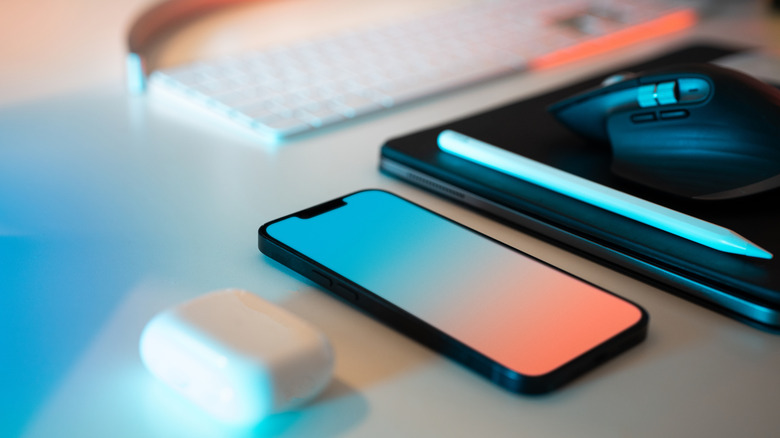
At first thought, you would expect an iPad to cost more than an iPhone due to the size difference. This is the case with other devices like TVs, laptops and smartwatches: a larger model comes with a higher price tag. However, at the time of writing, the lowest-cost iPhone (iPhone 17e) is $599, quite a bit higher than the most affordable iPad (11th generation) at $449.
The reason for this is a combination of design, hardware, demand and market segments. An iPad isn't simply a larger iPhone in the same way as a 65-inch TV compares to its 55-inch counterpart. And depending on which ones you consider, an iPad can actually come at a higher cost than any iPhone.
Smaller components are more complex to design
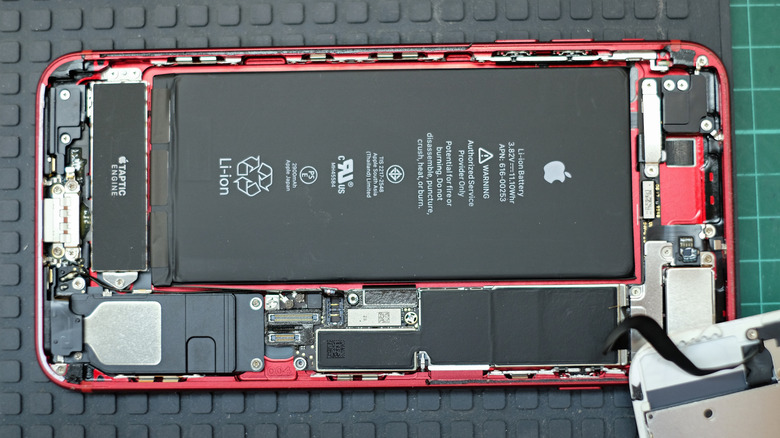
An iPhone's relatively small size presents design challenges; all the essential components must fit into a tiny space. It takes a lot of engineering work to design a motherboard, battery, SoC, radios, sensors, speakers and everything else to fit inside an iPhone without being bulky. It all has to be carefully arranged to avoid components interfering with each other and heat building up — not to mention the battery being able to power it all.
In comparison, an iPad gives engineers a lot more space to work with, reducing the costs. Designers don't have to be as strict with how they lay out components, and heat dissipation is simpler with more internal space. This doesn't mean the iPad is a free-for-all internally, but it also doesn't require as intensive research as the iPhone (especially with ultra-thin models, which have their own compromises, as our iPhone Air review noted).
iPhones include premium hardware
Aside from size, the biggest difference between the iPhone and iPad is the technology inside. Every iPhone contains lots of elements that most iPad models lack, such as all the radios and antennas required for phone calls. While you can make calls on your iPad using Wi-Fi calling or routing through your iPhone, even cellular iPad models are data-only; they can't make traditional phone calls.
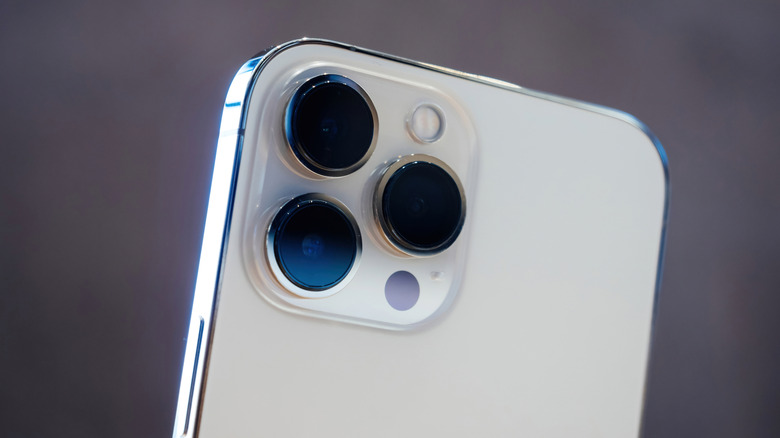
Cameras on the iPhone are far superior to the iPad's offerings; the iPhone 17's camera is much better than even an iPad Pro's. The iPhone 17's rear cameras are both 48MP, compared to the 12MP camera on the M5 iPad Pro. iPad cameras lack optical zoom, have worse performance in the dark, and lack features like Cinematic video mode. An iPad camera is serviceable in a pinch or for scanning documents, but it's not meant for everyday picture-taking.
Every model in the iPhone 17 series has an OLED screen, which is more expensive than the LCD screens of all iPad models outside the Pro line. Each iPhone 17 model also offers a ProMotion screen that goes up to 120Hz, while all iPads except for the Pro line have 60Hz screens. Lower-end iPads usually get older chips, too. The 11th-gen iPad, released in 2025, uses the A16 chip first seen in 2022's iPhone 14 Pro. That's not to mention iPads lacking MagSafe charging, NFC and an IP water-resistance rating.
Different competition spaces and markets

Even though the iPhone and iPad run a similar OS and many of the same apps, they don't compete in the same field. Smartphones are essentially a necessity for most people today given how many roles they play: calling and messaging, music player, GPS, entertainment, camera and much more.
An iPad isn't nearly as vital. For many people, a tablet is a secondary device for streaming, reading and maybe taking notes. They can be great for students and those in creative fields, but they don't feel necessary in the way phones do. You could opt for a "phablet"-sized phone, a Chromebook or even a laptop like the surprisingly solid MacBook Neo for the same purposes.
Because of all this, Apple has good reasons to offer a low-cost iPad. Fewer people would buy a tablet if the starting price were prohibitively high, which means the company would miss out on newcomers to the Apple ecosystem spending on services like iCloud and Apple Music. The iPad also competes against Chromebooks in the education market, where Apple wants schools to buy its devices and get them into families' hands.
The iPhone represents Apple's highest source of income by far, meaning it's sensible for the company to spend the most time and money improving it. Apple has always positioned the iPhone as a premium phone and knows what people are willing to pay for it. Selling an ultra-cheap iPhone would devalue the framing Apple has built up over decades; even the "affordable" iPhone 17e is hundreds more than budget Android phones.
There's also the matter of how people buy these devices. The majority of US buyers purchase an iPhone through mobile carriers, which offer "free" phones through monthly bill credits in exchange for staying on an expensive plan for several years. This obfuscates the true price. People also tend to upgrade their tablets less often than their phones.
iPads can still get quite expensive
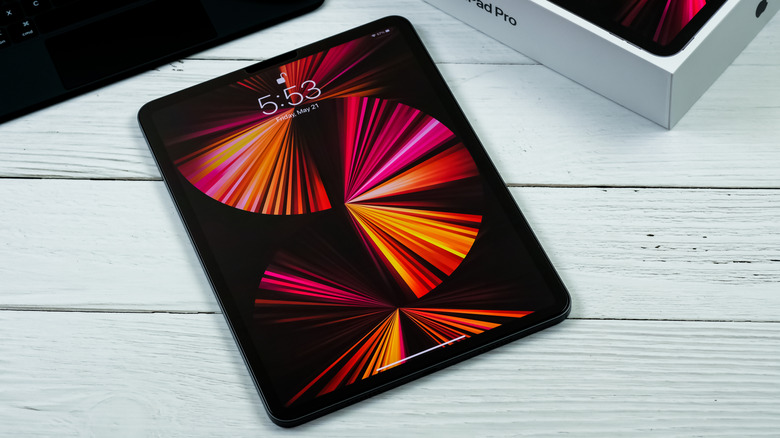
We've contrasted the iPhone to the base model iPad for most of this discussion, but looking at other iPad models shows that the iPhone isn't always more expensive. The base iPad starts at $449 for the 128GB model and goes up to $749 for 512GB of storage; you'll pay another $150 for a model with cellular connectivity. This means a 256GB iPad with cellular costs $700 — already $100 more than the iPhone 17e for a device with a worse screen and inferior camera that can't make calls without Wi-Fi.
Other iPad models are even more expensive, as they pack better specs that start to exceed the iPhone's power. The M4 iPad Air starts at $749 for 128GB, while the iPad mini (more affected by the size considerations mentioned earlier) begins at $600 for 128GB. Meanwhile, the iPad Pro can far exceed the cost of any iPhone given its Apple silicon chip and premium OLED screen. A maxed-out 2TB iPhone 17 Pro Max is $2,000, while the 13-inch M5 iPad Pro with 2TB of storage is $2,600 — and that's before the optional nano-texture glass for another $100 and cellular connectivity for another $200. These models compete against laptops and desktops for professional work, rather than the more casual usage of phones.
Prior to the Apple price hikes of June 2026, this wasn't as bad. The base iPad and iPad mini's prices each jumped by $100, while the iPad Air and Pro went up by $150 to $200 each. These increases haven't hit the iPhone yet, though that might change soon.
Originally published on Engadget