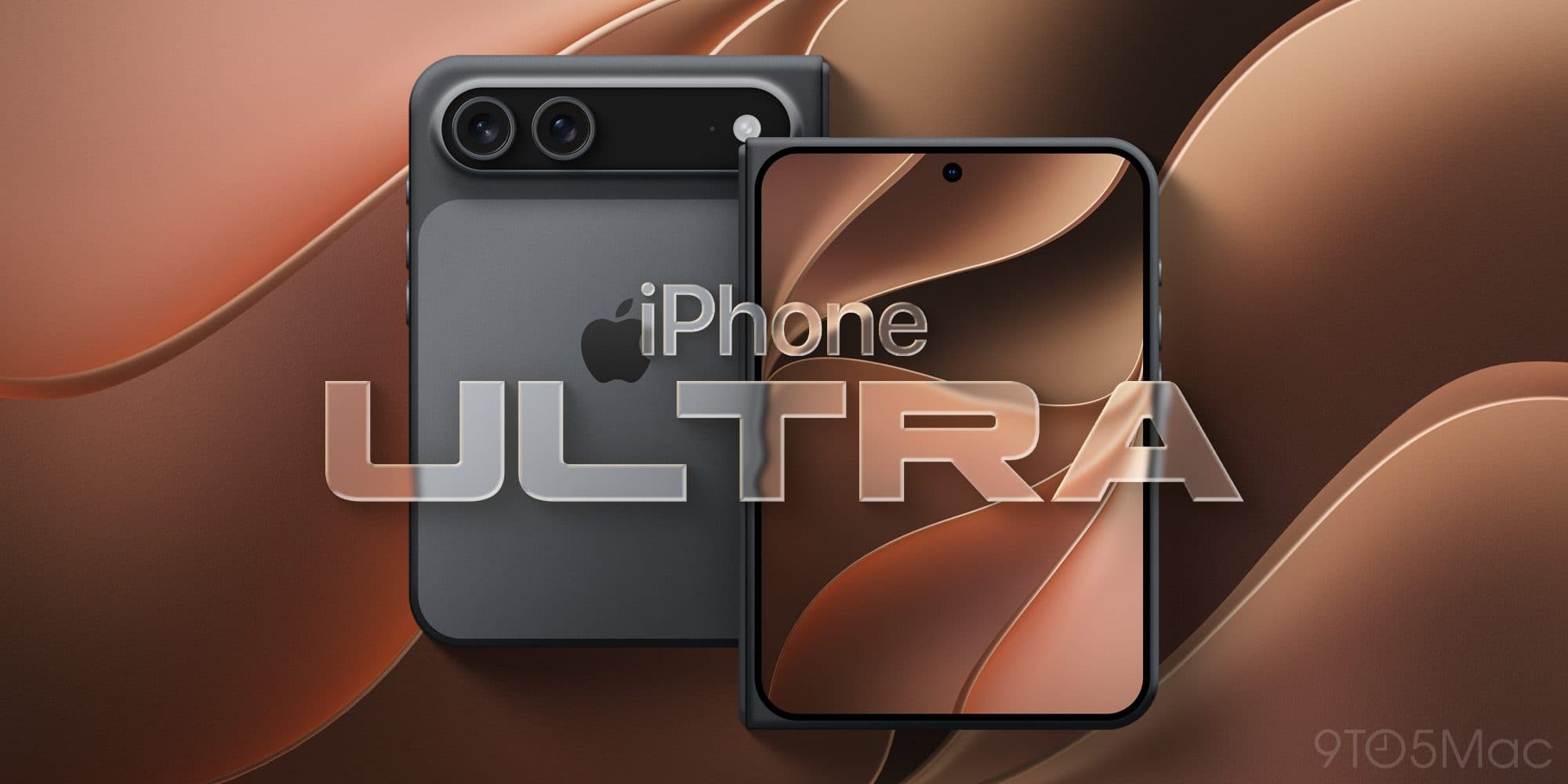
The folding iPhone expected in September will open to become what is essentially a small iPad. But that doesn’t mean that it will support Apple Pencil, the stylus designed for Apple tablets.
Apple tested a version of the stylus for its upcoming foldable phone, but nixed the idea for multiple reasons, according to an unconfirmed report published on Sunday. The most notable reason for cancellation: there was danger of the accessory damaging the folding screen.
Apple Pencil is great for iPad, so…
The Apple Pencil has always faced criticism from people who remember Apple co-founder Steve Jobs saying during the launch of the original iPad “If you see a stylus, they blew it.” But Jobs was referring to needing a stylus to use the tablet at all, not having one as an optional input device for drawing and painting.
That’s why the original Apple Pencil launched in 2015, and has been very successful ever since. Beyond artists, young students use the accessory for handwriting practice, older students use one to take handwritten notes on the iPad, engineers and designers sketch out ideas while business people digitally sign documents.
Given that the folding iPhone will reportedly include a display around 7.8 inches, it’ll be large enough to qualify as a mini tablet. So why not make an Apple Pencil for it? There are reportedly several reasons why not.
Apple Pencil for folding iPhone tested
“Apple tested a Pencil accessory for the upcoming foldable iPhone,” noted Bloomberg‘s Mark Gurman in his Power On newsletter published on Sunday.
The prototype Apple Pencil was supposedly stubbier than the versions designed for the iPad. That makes sense for a foldable iPhone, where the accessory would need to match the phone’s more compact proportions.
Apple also designed the prototype to magnetically attach to the side of the iPhone for storage and charging. That would be familiar to anyone who has used an Apple Pencil with an iPad, but the design creates a problem: The Pencil would need to stay attached while the iPhone is folded, possibly making it awkward to open the device when the stylus isn’t being used.
The stylus could damage the screen
But that isn’t the worst problem the Apple Pencil faced when it was tested with the folding iPhone, according to Bloomberg.
“The sensitive nature of foldable displays means that a stylus-like input device could leave unsightly marks on the delicate screen,” said Gurman.
Foldable screens are considerably more delicate than the displays found on conventional iPhones. It seems Apple’s testing found that a stylus could damage the screen, particularly if users press hard while writing or drawing.
That alone seems like enough to prevent Apple from enabling the folding iPhone to use an Apple Pencil. And Bloomberg reports that the accessory never got out of the testing phase.
“It seems unlikely that Apple will actually launch this accessory when it rolls out the foldable iPhone next month,” said Gurman.
Don’t overlook the thinness factor
Leaving out Apple Pencil support may have helped Apple achieve one of the most important goals for its first foldable iPhone: keeping it as slim as possible.
An active stylus requires a digitizer layer beneath the display to detect the Pencil’s input. That extra hardware takes up valuable space, and Apple already needs to squeeze a large display, batteries and more into a chassis roughly 4.5mm thick.
Samsung made already the same tradeoff with its foldables. Early Galaxy Z Fold models supported the S Pen, but Samsung dropped stylus support starting with the Z Fold7 in its push to make the phone thinner.