In general, we’re not expecting the iPhone 18 Pro to be a significant upgrade over its predecessor. Indeed, if you currently have an older iPhone there are arguments for buying the iPhone 17 Pro ahead of next week’s launch.
Of the few upgrades we are expecting, the biggest one on paper is going to be a variable aperture lens for the primary camera. But will this make a significant difference in reality … ?
Variable aperture offers control over depth of field
One of the biggest differences in the results you can achieve with a DSLR or mirrorless camera over an iPhone photo is control over the depth of field (DOF).
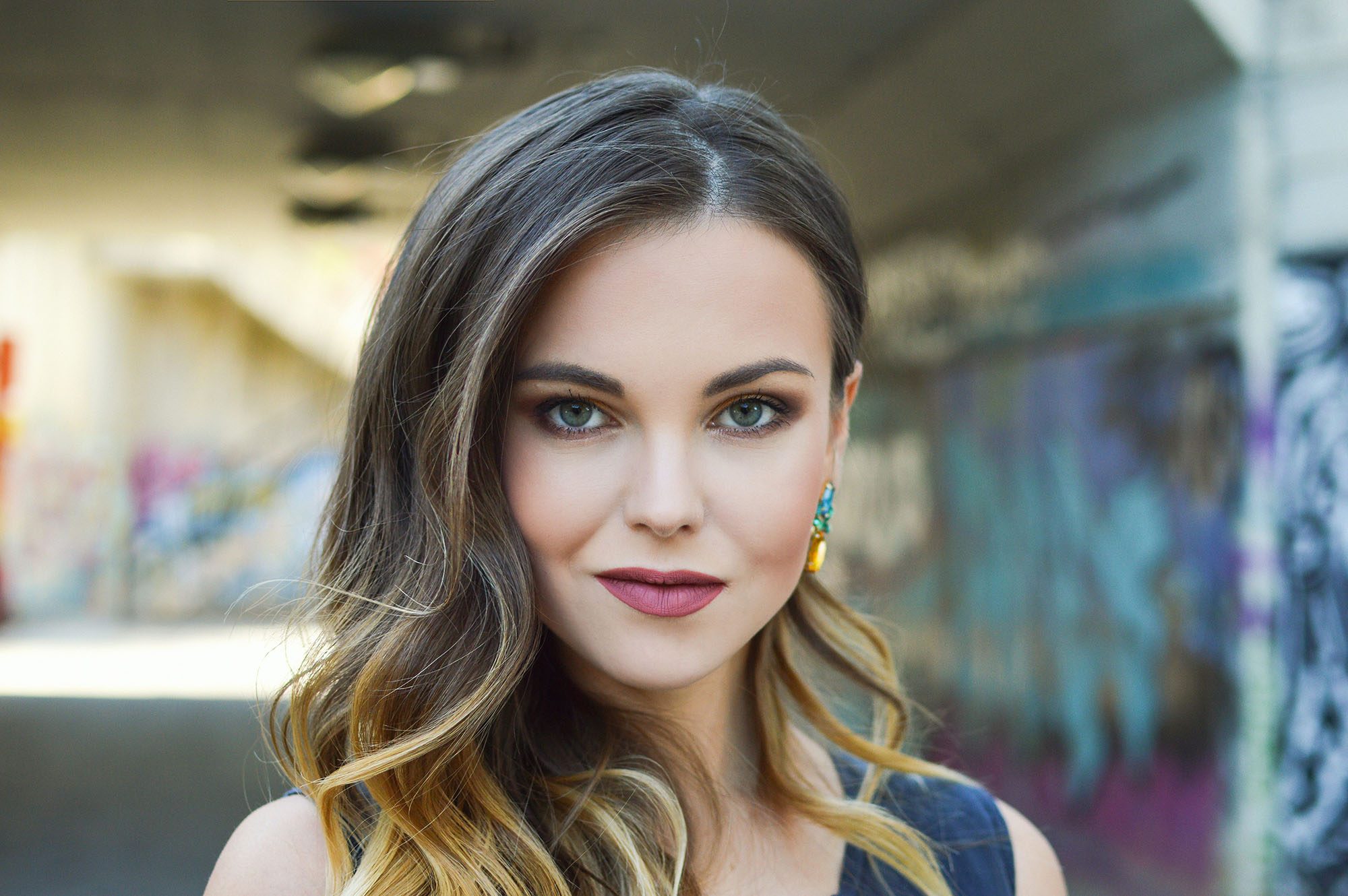
With a conventional camera, a wide aperture will create a shallow DOF that is most commonly used to separate the subject of the photo from the background. Portrait shots are a classic example (and this is why Apple’s simulated shallow depth of field feature is known as Portrait mode).
Conversely, when shooting something like a landscape or cityscape, you would typically use a narrow aperture to ensure everything is in focus from foreground to background.

A variable aperture is therefore a standard feature of any conventional camera lens. iPhones, in contrast, have fixed aperture lenses. (There are some ways to achieve shallow DOF with an iPhone, and I’ll cover these in a separate piece after the launch of the new phone, but these are exceptions rather than the rule.)
A variable aperture iPhone lens
We’re expecting this is to be the year that the iPhone gets a variable aperture lens for the first time. It’s as yet unclear whether this feature will apply to both iPhone 18 Pro models or only to the Pro Max. Either way, it’s expected to be limited to the main camera, not the wide-angle or telephoto.
On paper, this is big news. In principle, a variable aperture lens allows us to control the depth of field. In practice, we shouldn’t get overly excited about being able to achieve the effect shown in the main photo above – and that’s because of what won’t be changing.
The bad news
The main limiting factor of iPhones is not the lens aperture – which is already rather wide – but rather the size of the sensor. Again, all else being equal, the larger the sensor, the shallower DOF you’ll be able to achieve. Compared to DSLRs and mirrorless cameras, iPhones have absolutely tiny sensors, and that isn’t going to change this year.
Given the same size sensor and a very slightly wider aperture, physics would suggest that we shouldn’t expect very much.
The potential good news
There may be some reason for hope despite this. Including a mechanically variable aperture into one of the iPhone cameras is not a trivial task. It’s both complex and relatively expensive precisely because the lenses are so small.
The question we have to ask, then, is why Apple would go to this trouble and expense for what we would expect to be a very marginal benefit? If it only delivers the kind of difference we would expect from the calculations alone, then it really doesn’t seem worthwhile.
That leads me to suspect that – if Apple really is going to make a marketing point of this new feature – then the company must have something up its sleeve.
One possibility that strikes me is that the optical upgrade may be used almost as cover for a significant improvement to Portrait mode. While the simulated effect has grown better and better every year, there is still room for improvement, and perhaps the AI power of the upgraded chip has enabled Apple to produce something significantly more natural-looking?
If so, I doubt many people will care that it would be something of a cheat – the variable aperture providing a marginal benefit while the software delivers a far more meaningful one. What’s going to count for most people is the end result. This, then, is my best guess so far.
Do you have a better theory? Please share your thoughts in the comments.
Photos: Ali Pazanil, Tamara Bellis, Kalen Emsley
FTC: We use income earning auto affiliate links. More.