In a hearing today, Apple challenged the UK government’s refusal to publicly confirm whether it has issued an order requiring the company to provide access to encrypted user data. Here are the details.
A bit of context
Early last year, The Washington Post reported that the British government had secretly ordered Apple to create a security backdoor into all iCloud content uploaded by users worldwide.
The order itself was also subject to strict secrecy rules, preventing even Apple from publicly confirming or discussing the demand.
The British government has maintained a policy of neither confirming nor denying the existence of individual orders of this kind, while companies subject to them are also restricted from disclosing that they have received one.
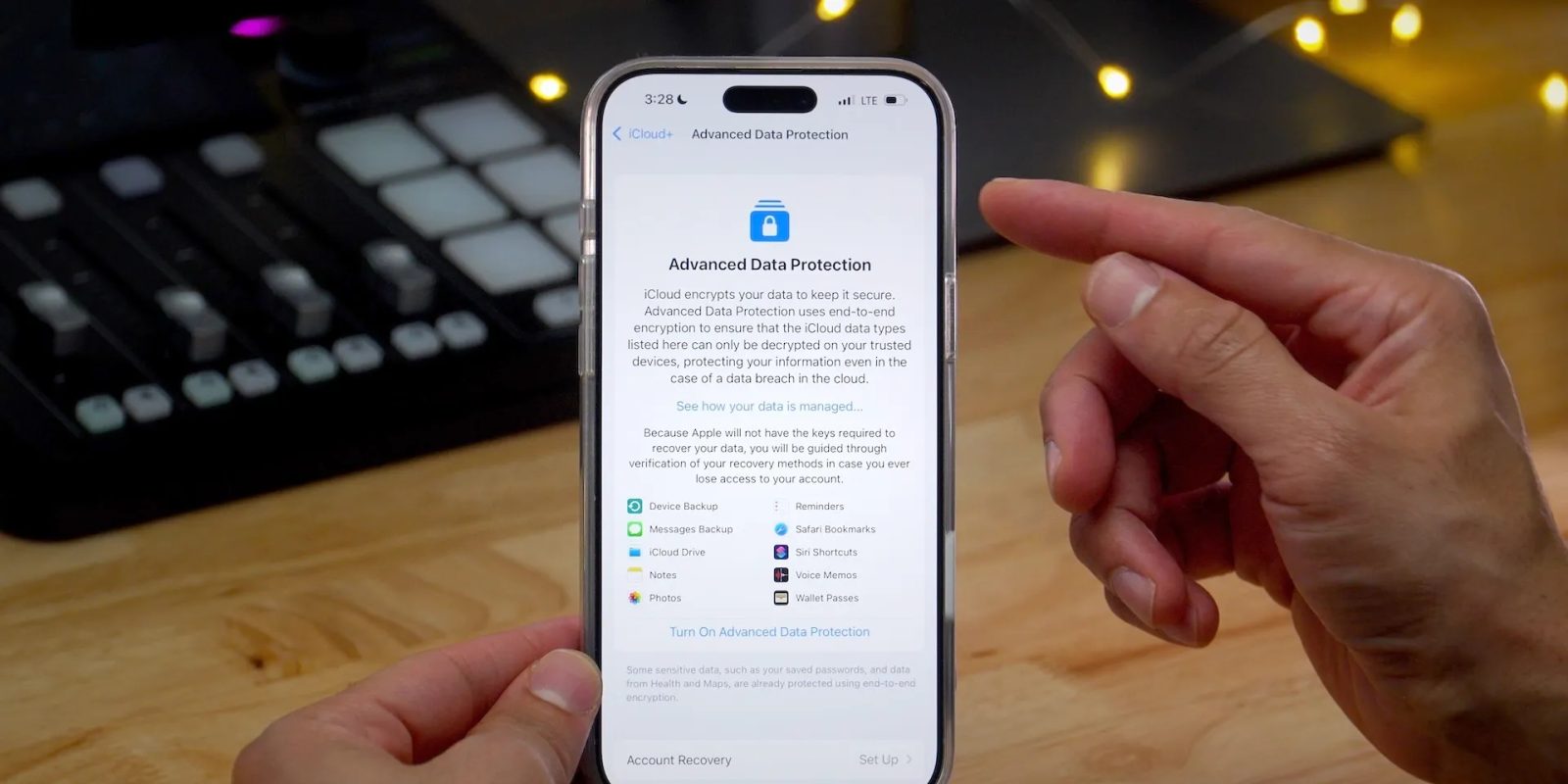
As a result of the reported but officially unconfirmed order, Apple removed the option to enable Advanced Data Protection (ADP) for iCloud users in the UK.
That’s because with ADP enabled, iCloud Backup and other additional categories of iCloud data are end-to-end encrypted. So instead of complying with the UK’s backdoor order, Apple stopped offering ADP to new users in the UK altogether, even though the original order reportedly applied to users worldwide.
At this point, Apple’s fight with the UK government was two-pronged: it was challenging both the underlying demand for access to encrypted data and the secrecy rules preventing it from publicly discussing that demand.
In April, 2025, judges rejected the UK government’s attempt to keep even the basic details of Apple’s legal challenge secret, ruling that disclosing the existence of the case would not harm national security.
A few months after that, the British government gave up on requiring data from American users as part of the secret mandate, as a result of pressure from the White House. The demand did not disappear entirely, however: Britain later issued a new notice targeting Apple users in the UK.
Fast-forward to a few weeks ago, when it emerged that Apple had launched a second legal challenge against the UK government after the original worldwide order was replaced by a new one specifically targeting British users.
Which brings us to today.
Apple challenges mandate secrecy
As reported by Reuters, Apple today challenged the UK government’s continued refusal to confirm or deny the existence of the new Technical Capability Notice during a hearing before the Investigatory Powers Tribunal (IPT) in London.
According to Reuters, Apple’s lawyer argued that the government’s secrecy policy prevents meaningful public discussion of the case, and undermines the principle of open justice.
From the report:
At Thursday’s hearing at the IPT, Ben Jaffey, the lawyer for campaign groups, Privacy International and Liberty, said the government’s position had “become farcical”.
“The horse has long bolted,” he noted, meaning it was already public knowledge.
U.S. politicians and officials had publicly referred to the original notice while unnamed UK government sources had also confirmed it to the press, he said.
Both he and Apple’s lawyer said that the UK government’s NCND policy was an affront to open justice and prevented meaningful public discussion of the issue.
To be clear, today’s hearing focused on the secrecy surrounding the order, not on whether the UK government was legally entitled to demand access to Apple’s encrypted data in the first place.
Following today’s hearing, the IPT will now decide whether the government can continue relying on its “neither confirm nor deny” policy in this case. Reuters says a full hearing on Apple’s challenge to the underlying Technical Capability Notice is unlikely before next year.
To read Reuters‘ full report, follow this link.
Worth checking out on Amazon
FTC: We use income earning auto affiliate links. More.