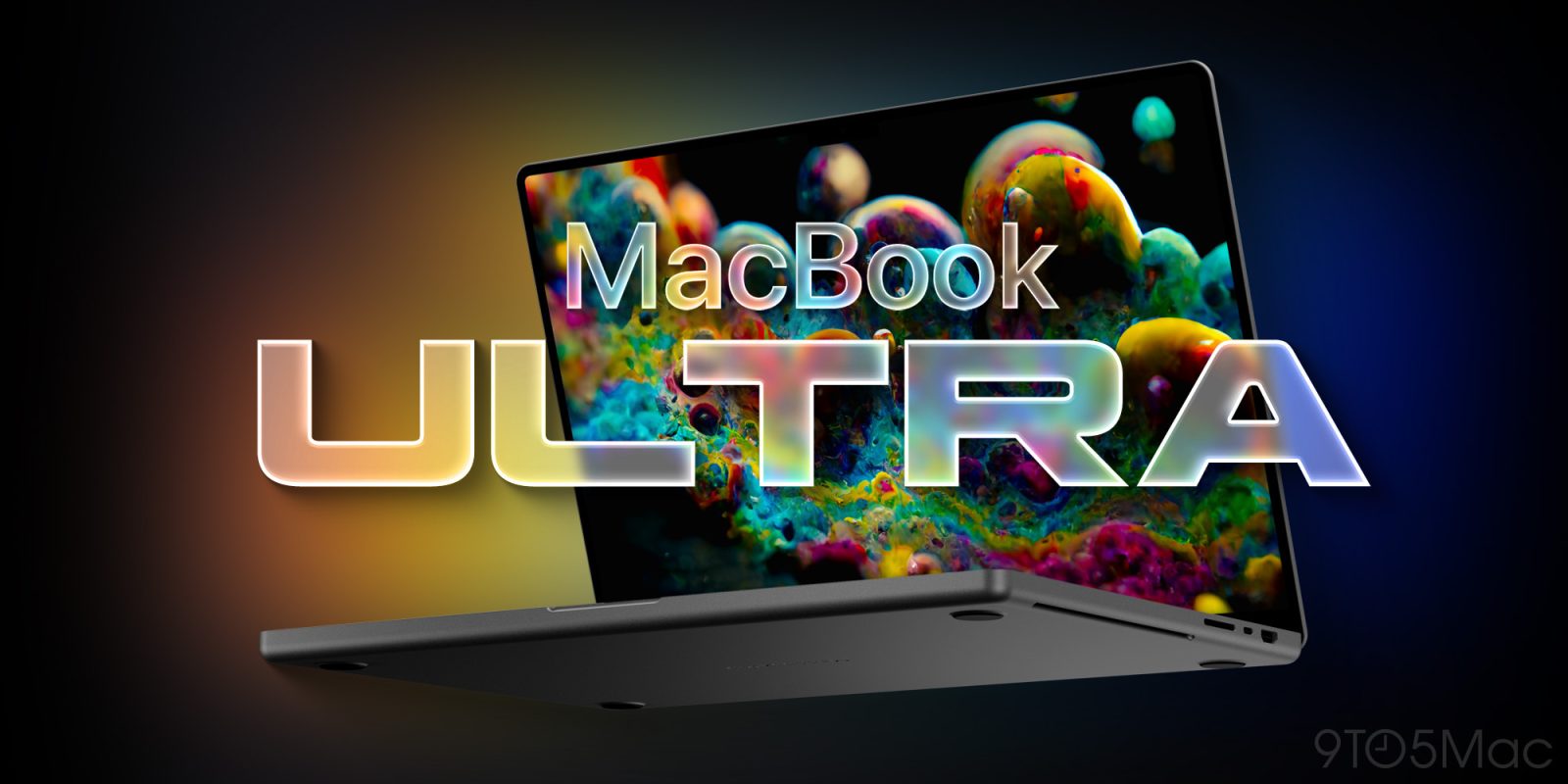
The upcoming MacBook Ultra was never going to be cheap, with an all-new sleeker design, OLED, and touchscreen – even before the price increases driven by higher memory costs. A new report now suggests the manufacturing cost could be pushed yet higher
Apple typically likes to have multiple suppliers for components in order to maximize the reliability of display and allow it to negotiate the best possible prices, and it had hoped to do so for the MacBook Ultra. However, a supply chain source says Apple has decided to use just one display supplier …
Apple has three display partners across its product range: Samsung, LG, and BOE. The latter has so far only made displays for the company’s lower-end products, leaving higher-end screen orders split between Samsung and LG.
The MacBook Ultra will require the most sophisticated display ever fitted to an Apple product. Combining tandem OLED and a touchscreen into the larger sizes needed for laptops is no easy task, and a new supply chain report indicates that Apple has made the decision to exclusively source these from Samsung.
The Elec reports that LG hasn’t been able to hit the volume requirements Apple sought.
Apple demanded a mass production response using large-scale substrates. Samsung Display responded with the 8.6th generation OLED line, and LG Display is said to have reviewed the use of the existing 6th generation line.
Laptop OLED production is possible even using 6th generation production lines, but the substrate efficiency and productivity are lower than the 8.6 generation. It seems that the initial product volume would be too low, so Apple selected Samsung Display as the sole supplier.
It seems that the increased logistical complexity of dual suppliers wasn’t justified by the low volumes LG would be able to produce. The company now isn’t expected to make displays for the flagship MacBook before 2029 at the earliest.
This obviously puts Samsung into a much stronger negotiating position when it comes to prices for the panels. This will likely drive up Apple’s manufacturing costs, which we can expect it to pass on to consumers, exactly as it has done for higher memory costs.
Given the potentially eye-watering cost of the MacBook Ultra, how likely are you to consider the upgrade? Please share your thoughts in the comments.
FTC: We use income earning auto affiliate links. More.